TodayAnimalsDominican Republic
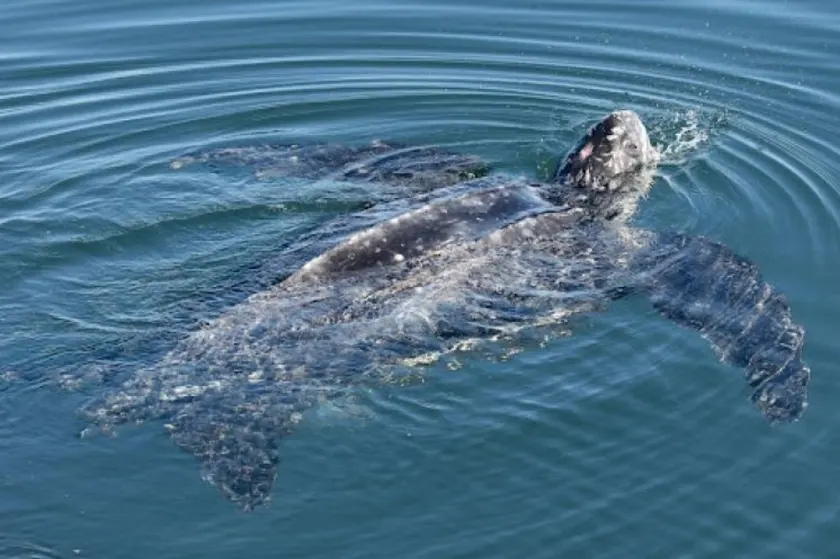
Leatherback crews on the Samaná coast counted 843 hatchlings in the water
Hoy reported that nest poaching on the monitored beaches fell to 7.7 percent in 2026, from 95 percent in 2024. The groups signed on to keep the patrols going through 2030. The figures are the organizations' own counts.

Read the original
The reporting lives at Hoy. Our summary is checked against it, and we link it on every story.
Patrol teams on the Dominican Republic's northeast coast counted 843 leatherback hatchlings into the sea in the 2026 season, and nest raiding on the beaches they watch fell to 7.7 percent. Hoy reported on November 3, 2026, that AERODOM, which operates Presidente Juan Bosch International Airport at El Catey, and the Ecological Foundation Bahía Príncipe signed an agreement to continue the work through 2030. Cyril Girot and Isabel Piñero signed for the two groups. The beaches in the program include Nagua, La Majagua in Sánchez, and Cosón in Las Terrenas, plus the shore near the airport. The nest corral is in Los Yayales.
Hoy said the 2026 figures, reported by the organizations, were 26 leatherback nests protected, a poaching rate of 7.7 percent, and 843 hatchlings released. In 2025 the team switched from patrols every two or three days to a daily watch and doubled the coast under protection from 15 kilometers to 32. That year poaching fell from 95 percent in 2024 to 29.6 percent, with 19 nests protected, 1,535 eggs recovered, and 461 hatchlings released. The paper also said 180 students from five schools and 50 people from coastal communities took part in education in 2025.
Leatherbacks are listed as critically endangered. The news is this season's nest and hatchling counts, and a patrol agreement with a date on it. It is the organizations' tally for these beaches, not a population estimate for the species.
For the classroom
The newspaper Hoy reported that teams on the Dominican Republic's northeast coast sent 843 leatherback hatchlings to the sea in 2026. They protected 26 nests. The share of nests that were raided fell to 7.7 percent, from 95 percent in 2024. In 2025 the teams began checking the beaches every day. The watched coast includes Nagua and beaches toward Samaná. Two groups agreed to keep the patrols going until 2030. These numbers are the teams' own counts, not every leatherback in the Caribbean.
- Why would checking a beach every day protect more nests than checking every few days?
- What is the difference between eggs in a nest and hatchlings that reach the water?
- Why does a plan through 2030 matter if this year's hatchlings have already left?
For a teacher to read with a class. Print the story of the day · Morning announcements · All classroom stories · This week's Good News Friday pack
Nagua, Dominican RepublicSea turtlesWildlife conservationVolunteersGood news on November 7
More good news
Other stories in the same neighborhood of kindness.
 Animals
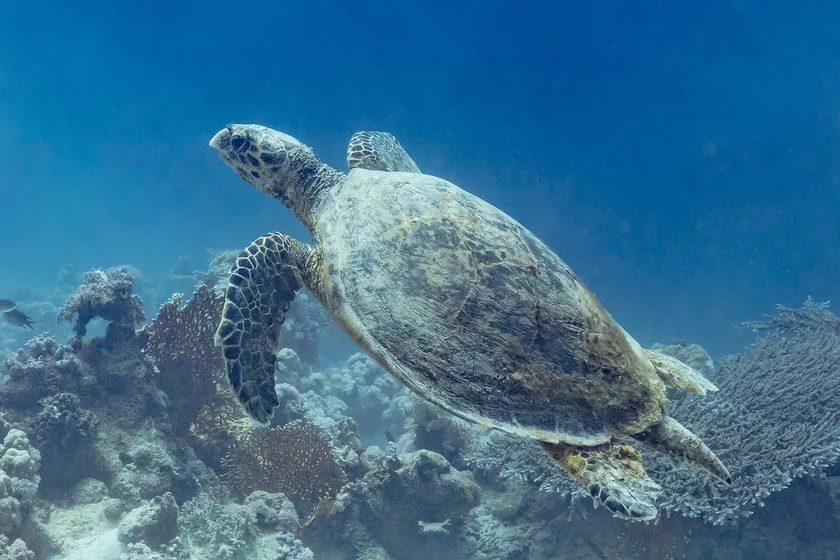
The National Aquarium released 105 hawksbill turtles in Santo Domingo
The release was Monday at Los Pescadores beach on the Malecón. The report does not say whether the turtles were hatchlings or animals that had been in care.
Verified · N Telemicro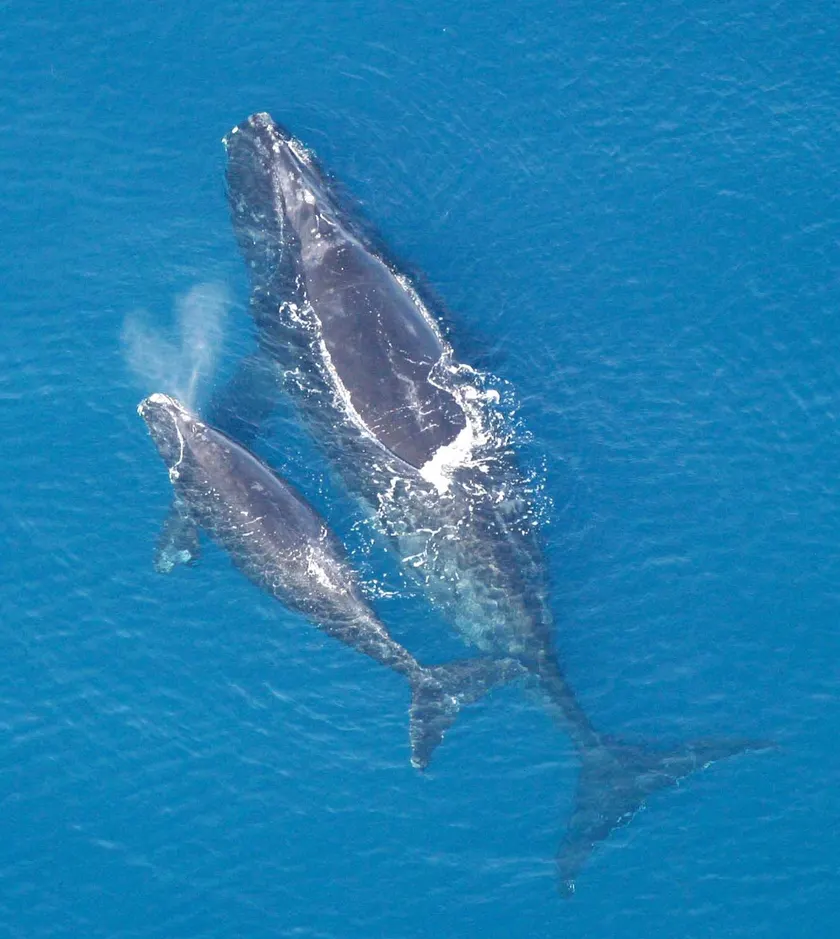 Animals
A right whale calf unseen all winter turned up off Anticosti Island
Researchers photographed Silt with a calf near Anticosti Island on September 25. The New England Aquarium later matched the photos and counted her as the 24th calf of the season, the most since 2009.
Verified · NOAA Fisheries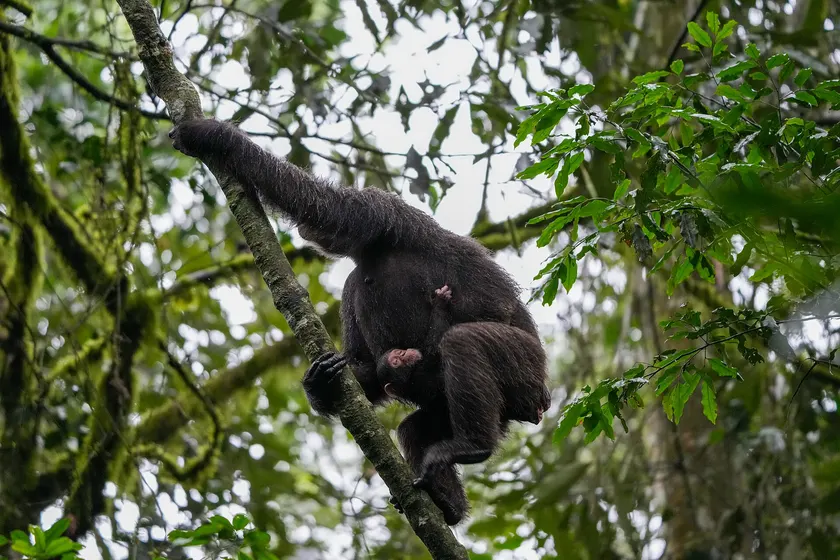 Animals
A second chimpanzee of the year was born at Colchester Zoo
Keepers found the baby on November 3. The father is Napoleon, the name and sex are not confirmed yet, and the January birth had been the first at the zoo in 17 years.
Verified · BBC News