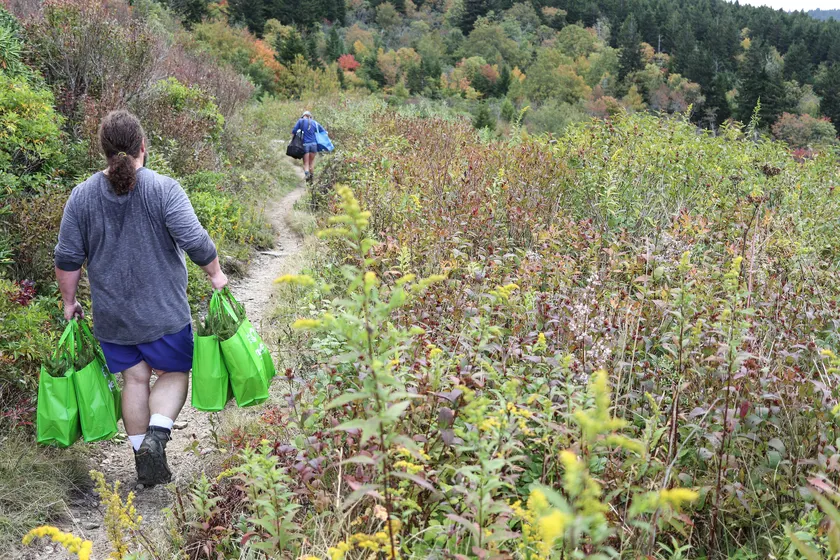
Kenya launched a $200 million plan to restore watersheds in 12 counties
The five-year project, financed by the World Bank, aims to rehabilitate 200,000 hectares from Marsabit to Shimba Hills. The trees are a target, not a count of what is already planted.

Read the original
The reporting lives at KBC. Our summary is checked against it, and we link it on every story.
Kenya has launched a five-year effort to rehabilitate 200,000 hectares of damaged land and the water that runs off it. KBC reported the announcement on November 2, 2026. The Kenya Watershed Services Improvement Project is financed by the World Bank at about $200 million, which the report also rendered as about 26 billion Kenyan shillings. Environment Cabinet Secretary Deborah Barasa said restoration has to go past planting trees to the reasons land fails, and to livelihoods for the people who depend on it.
The work covers five landscapes: Marsabit, Marmanet, the Nyambene Hills, the Chyulu Hills, and Shimba Hills, across 12 counties: Marsabit, Isiolo, Meru, Tharaka Nithi, Laikipia, Samburu, Baringo, Makueni, Kitui, Garissa, Tana River, and Kwale. The program became effective on December 23, 2025. It brings in the Kenya Forest Service, the Kenya Forestry Research Institute, the National Environment Management Authority, and the Water Resources Authority, with county governments. Priority groups include community organizations and nature-based enterprises. The hectares and the dollars are the plan. They are not a tally of trees already planted.
For the classroom
Kenya has started a five-year project to repair land and water in 12 counties. KBC reported the launch on November 2, 2026. The World Bank is financing about $200 million. The goal is to restore 200,000 hectares from Marsabit to the Shimba Hills. Environment minister Deborah Barasa said the work has to be more than planting trees and has to help communities earn a living. Counties are beginning the work. These numbers are targets for the watershed project. They are not trees already in the ground.
- Why would a plan to help a river also talk about how people use the land around it?
- What is the difference between a goal written on paper and a tree that is already planted?
For a teacher to read with a class. Print the story of the day · Morning announcements · All classroom stories · This week's Good News Friday pack
More good news
Other stories in the same neighborhood of kindness.
 Community
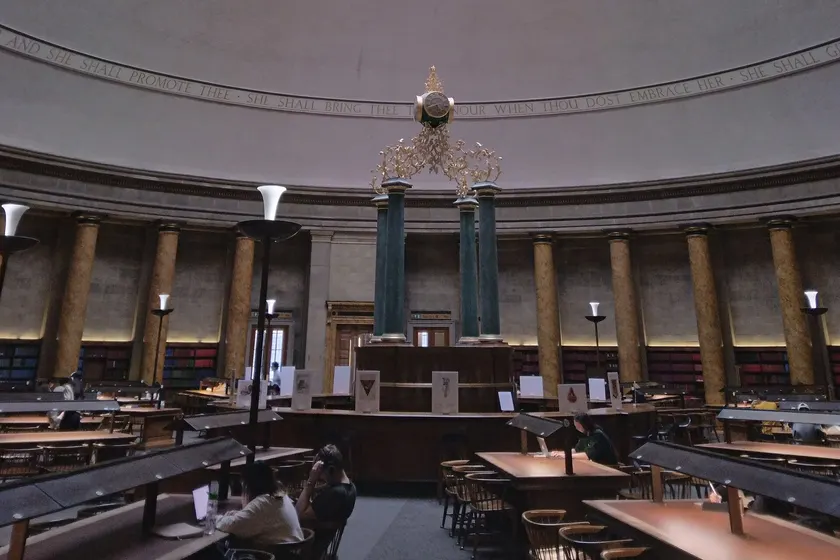
Fort Jesus reopened its Swahili library after a careful renovation
The library inside Mombasa's Fort Jesus is open again after a $50,000 renovation funded through Azerbaijan's development agency.
Verified · The Eastleigh Voice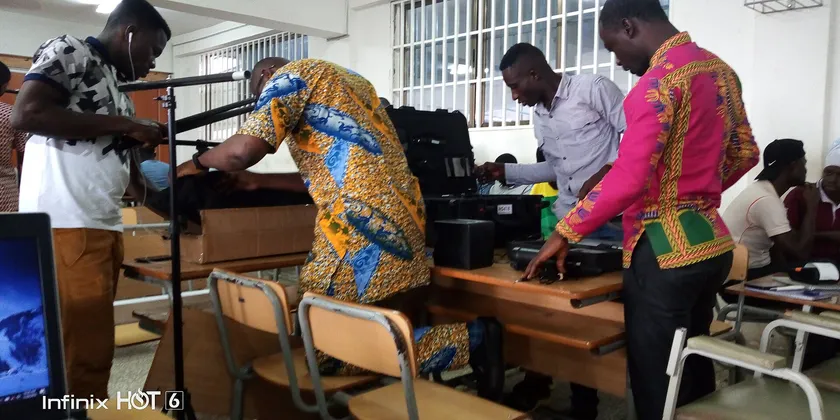 Community
211 Kenyan university students received tuition help and a laptop
I&M Foundation and Help Change Lives handed over laptops in Nairobi for scholars at 39 public universities.
Verified · HapaKenya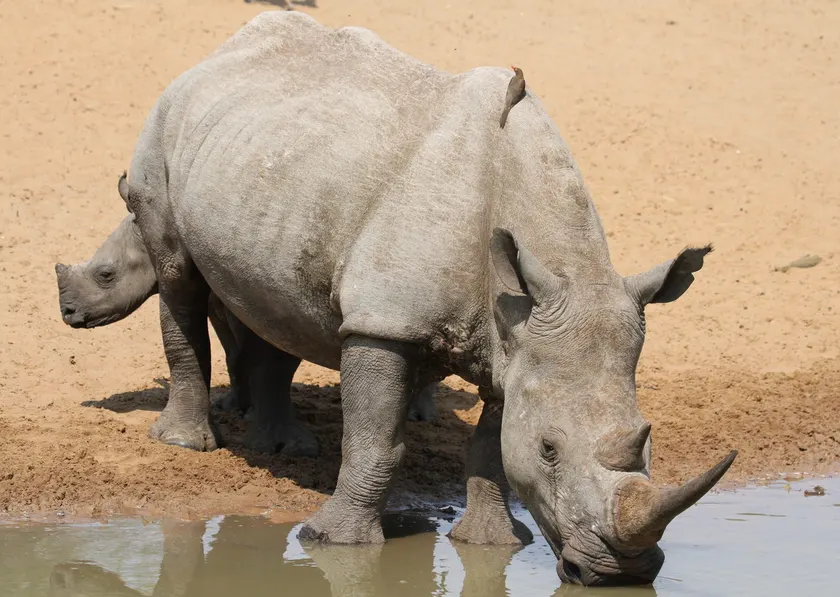 Heroes
A Kenyan wildlife vet was named Wildlife Vet of the Year
Mukami Oundo of the Kenya Wildlife Service received the award in London for treating wildlife in the field and for making room for the women who deploy with her.
Verified · Daily Nation