A trial showed an AI risk score sped up autoimmune diagnoses
In a Vanderbilt randomized trial of nearly 2,000 analyzed patients with positive ANA tests, flagging high-risk patients for fast-track rheumatology referral cut the median time to diagnosis from 138 days to 43. The study is in NEJM AI and was supported by the NIH.

Read the original
The reporting lives at Vanderbilt Health News. Our summary is checked against it, and we link it on every story.
A randomized trial at Vanderbilt found that a transparent AI risk score, paired with a fast-track referral to rheumatology, shortened the wait for an autoimmune diagnosis, Vanderbilt Health News reported. Among nearly 2,000 analyzed patients who already had a positive ANA test, flagging the high-risk patients cut the median time to diagnosis from 138 days to 43. The study is published in NEJM AI and was supported by the National Institutes of Health. The 43 and 138 figures are medians in this group of patients. The result is a faster diagnosis, not a treatment and not a cure, and it applies to the patients in the trial.
Health & Tech in TennesseeNashville, TennesseeMedical researchPublic healthGood news on November 11
More good news
Other stories in the same neighborhood of kindness.
 Health & Tech
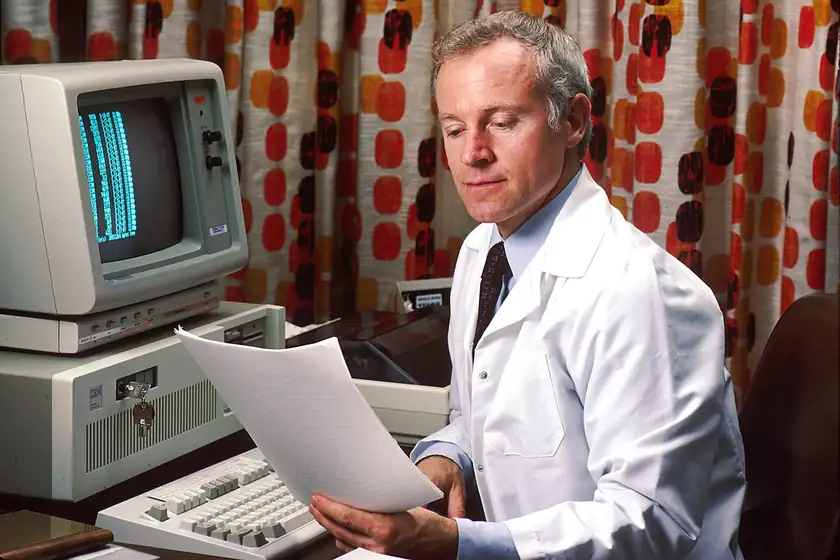
In a randomized trial, an AI alert more than halved the time to an autoimmune diagnosis
Vanderbilt and Johns Hopkins researchers built the open-source AURA tool into health records. In a two-year randomized trial of about 1,960 patients, those with the alert were diagnosed in a median 43 days versus 138.
Verified · Johns Hopkins Engineering for Professionals (NEJM AI study)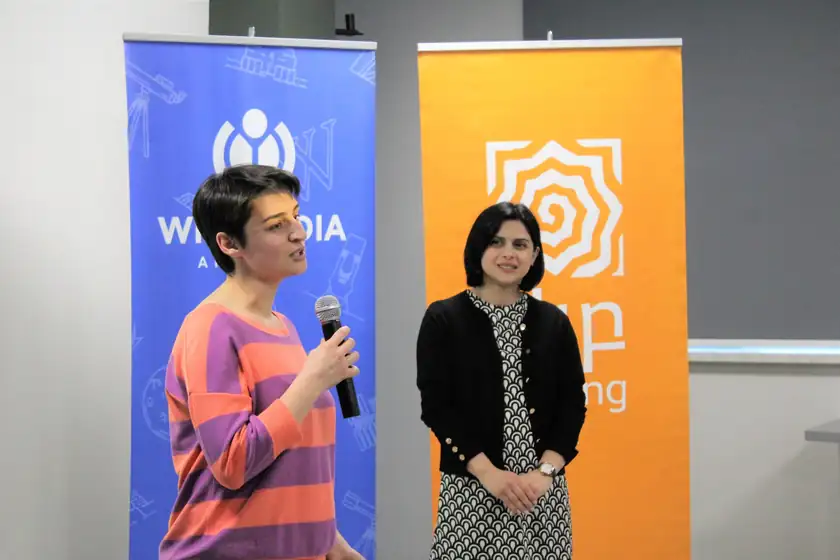 Health & Tech
Tech Goes Home Chattanooga reaches 25,000 graduates
The free 15-hour digital-skills course comes with a device to take home. Its most popular class shows older adults how to use telehealth, a calendar, and video calls.
Verified · Chattanooga Times Free Press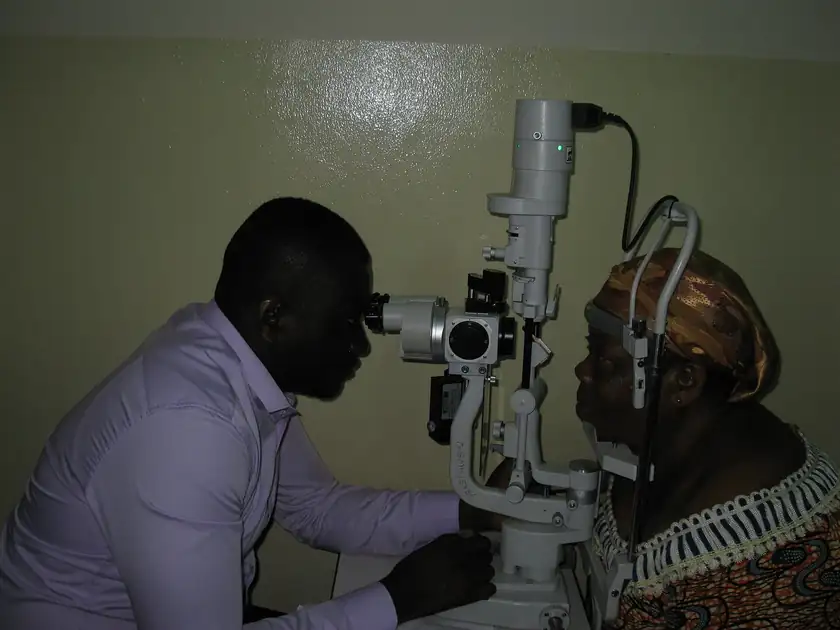 Health & Tech
A Penn Medicine van brings free eye disease screening to neighborhoods
Penn's Scheie Eye Institute in MOTION van screens people in underserved Philadelphia neighborhoods for glaucoma, diabetic retinopathy, and other conditions, with telehealth reads by ophthalmologists and donor-funded treatment for uninsured patients.
Verified · WHYY