TodayHealth & TechPennsylvania
A Penn Medicine van brings free eye disease screening to neighborhoods
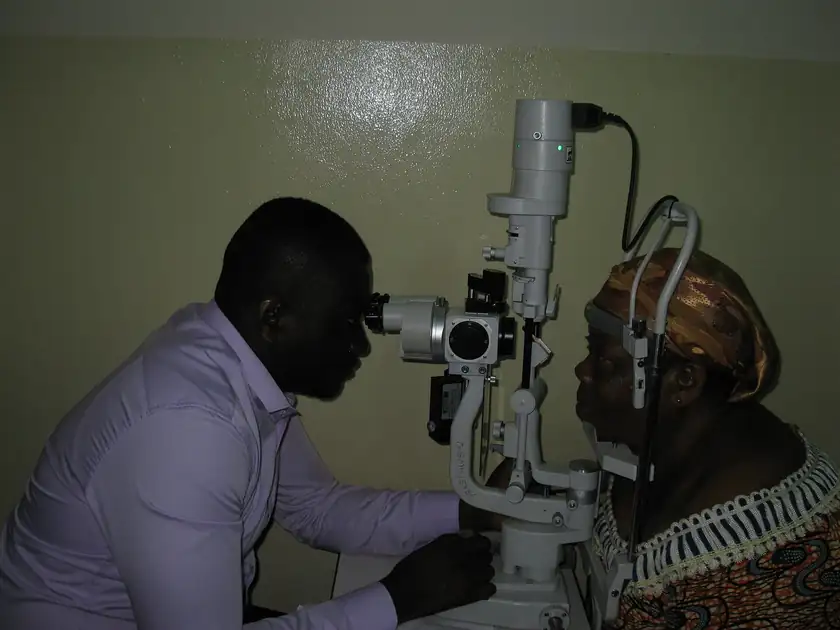
Penn's Scheie Eye Institute in MOTION van screens people in underserved Philadelphia neighborhoods for glaucoma, diabetic retinopathy, and other conditions, with telehealth reads by ophthalmologists and donor-funded treatment for uninsured patients.

Read the original
The reporting lives at WHYY. Our summary is checked against it, and we link it on every story.
Penn Medicine's Scheie Eye Institute in MOTION van brings free screening for glaucoma, diabetic retinopathy, and other eye conditions into underserved Philadelphia neighborhoods, WHYY reported. Ophthalmologists read the tests by telehealth. Donor funds can cover treatment for patients who are uninsured. The van is a screening service in those neighborhoods. The donor support is for treatment when someone without insurance needs it. A screening find is not, by itself, completed care.
For the classroom
Penn Medicine sends a van, called the Scheie Eye Institute in MOTION, into Philadelphia neighborhoods where eye care is hard to reach, WHYY reported. People can be screened at no charge for glaucoma, diabetic retinopathy, and other eye conditions. Ophthalmologists read the tests by telehealth, which means a specialist looks at the results from somewhere else. For patients without insurance, donor money can pay for treatment. A screening is a check. It is not a promise that every person who steps on the van will need, or get, the same care.
- Why bring an eye clinic to a neighborhood instead of asking everyone to travel?
- What is the difference between a screening and a treatment?
- How can a doctor in another place still read a test done in a van?
For a teacher to read with a class. Print the story of the day · Morning announcements · All classroom stories · This week's Good News Friday pack
Health & Tech in PennsylvaniaPhiladelphia, PennsylvaniaPublic healthMedical researchGood news on November 11
More good news
Other stories in the same neighborhood of kindness.
 Health & Tech
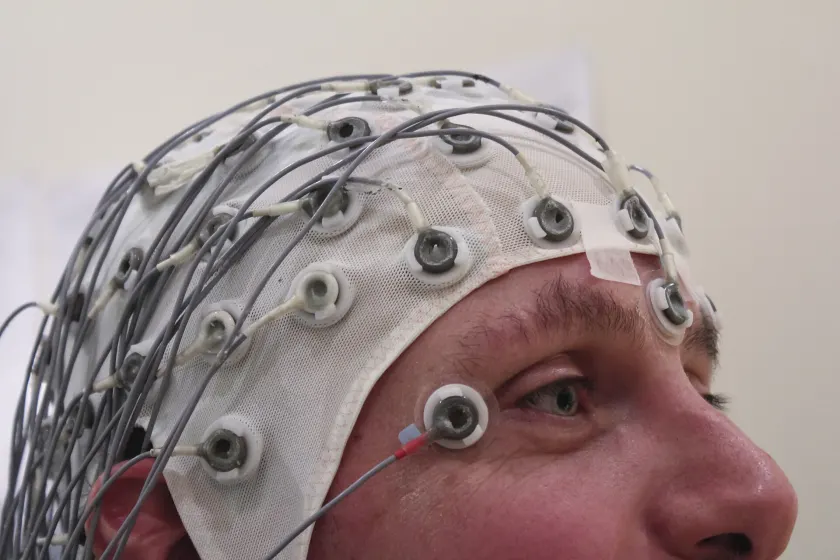
Epilepsy patients flagged their monitor and cut false alarms
In a small NIH-funded hospital study, 13 patients used a phone app to question their EEG monitor. False seizure alarms fell by about 80 percent. Larger outpatient trials are planned.
Verified · National Institutes of Health (NIH)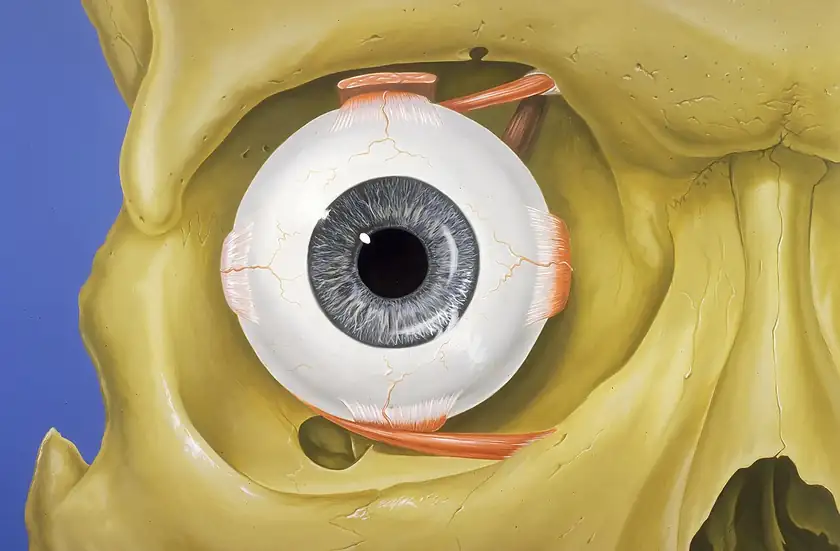 Health & Tech
A small trial helped some people with advanced retinitis pigmentosa sense light
Ten people with advanced retinitis pigmentosa received an experimental optogenetic injection plus special goggles. Some sensed light better. Normal vision did not return.
Verified · University of Pittsburgh Health & Tech
A trial showed an AI risk score sped up autoimmune diagnoses
In a Vanderbilt randomized trial of nearly 2,000 analyzed patients with positive ANA tests, flagging high-risk patients for fast-track rheumatology referral cut the median time to diagnosis from 138 days to 43. The study is in NEJM AI and was supported by the NIH.
Verified · Vanderbilt Health News