Astronomers watched two stars merge from start to finish for the first time
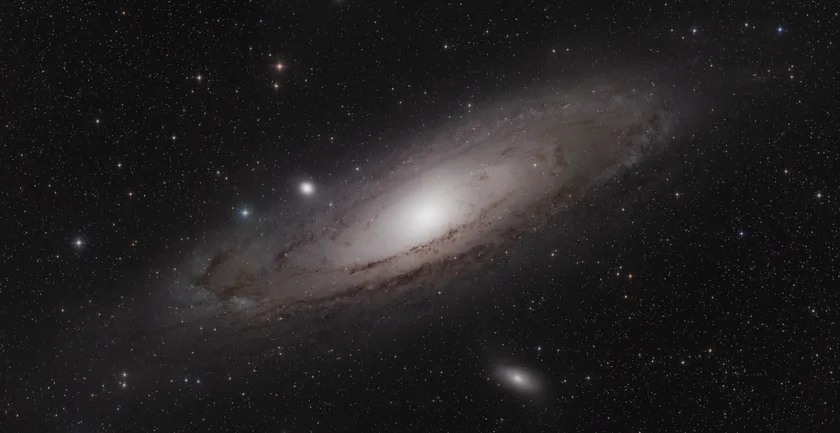
A Columbia-led team tracked the Andromeda merger nicknamed Bao. Webb looked 47 days after the peak, early enough to reconstruct the stars before, during, and just after they became one.

Read the original
The reporting lives at NASA Science. Our summary is checked against it, and we link it on every story.
Astronomers reconstructed a stellar merger from before it began through the weeks just after, NASA Science reported on November 18, 2026. A star a little less massive than the Sun spiraled into a puffy supergiant at the edge of the Andromeda galaxy. The team nicknamed the single star that remained Bao. Viraj Karambelkar, a NASA Hubble Fellow at Columbia University in New York and first author of a paper published Wednesday in Nature, said mergers are hard to catch because they are hard to predict. The group saw something unusual in 2023 and kept watching. In 2025 the system erupted. The James Webb Space Telescope observed it 47 days after the peak, the earliest follow-up of this kind, and that view helped describe the pair before, during, and just after the merger.
Before the outburst the primary star was about seven times the Sun's mass, 350 times its radius, and 18,000 times as bright. Once the smaller star touched the giant, the merger took about seven orbits, roughly seven years, rather than the thousands of orbits seen when two smaller stars merge. Webb's mid-infrared data matched dust the giant had shed over centuries and showed the stars had become one. That is not the only way these encounters end. In other systems both stars survive in a tighter orbit. This one did not.
For the classroom
NASA Science reported that astronomers watched two stars become one. They nicknamed the star Bao. It happened at the edge of the Andromeda galaxy, next door to our own. A smaller star spiraled into a huge bright star called a supergiant. Viraj Karambelkar at Columbia University in New York led a paper in the journal Nature. The team noticed something odd in 2023. In 2025 the pair erupted. The James Webb Space Telescope looked only 47 days after the brightest moment. Before the burst, the big star was about seven times the Sun's mass. Some pairs stay two stars. This pair became one.
- Where did the two stars merge, and what did astronomers nickname the result?
- Why did it help that Webb looked so soon after the brightest moment?
- What is one thing your class could look up about the Andromeda galaxy?
For a teacher to read with a class. Print the story of the day · Morning announcements · All classroom stories · This week's Good News Friday pack
More good news
Other stories in the same neighborhood of kindness.
 Heroes
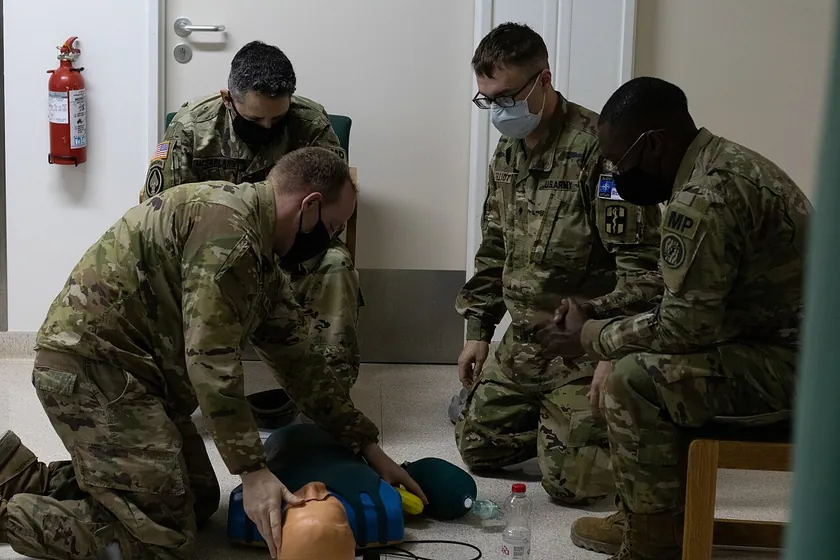
NYPD officers gave CPR to a driver whose heart stopped in College Point
Mustafa Celebioglu, 51, was unresponsive behind the wheel near the Police Academy. Officers performed CPR for about 20 minutes and drove him to the hospital. He later met them and said he has no damage to his brain or his body.
Verified · ABC7 New York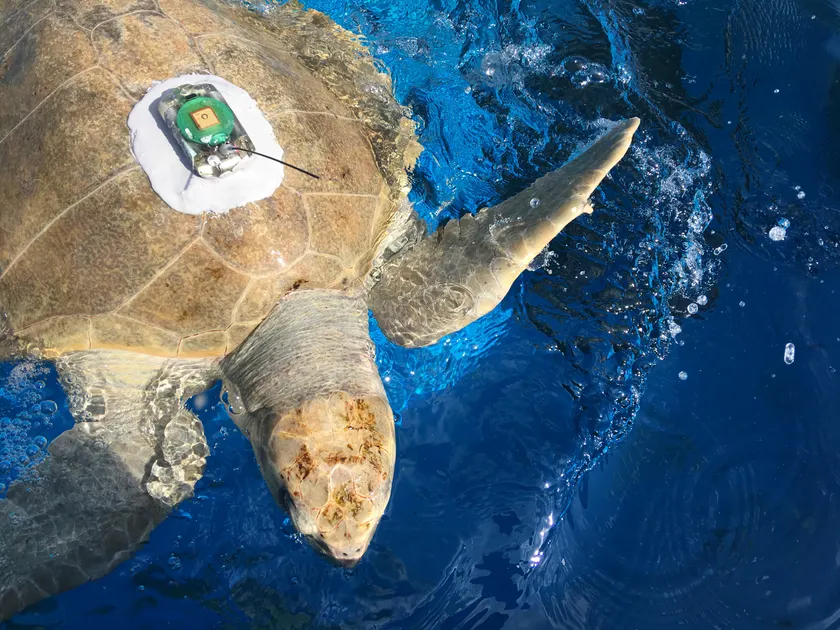 Science
Valencia's aquarium foundation counts 1,000 sea turtles cared for in ten years
El País reported that Fundación Oceanogràfic, marking ten years, has run 182 research projects, cared for more than 1,000 sea turtles, and returned more than 1,500 animals to the wild.
Verified · El País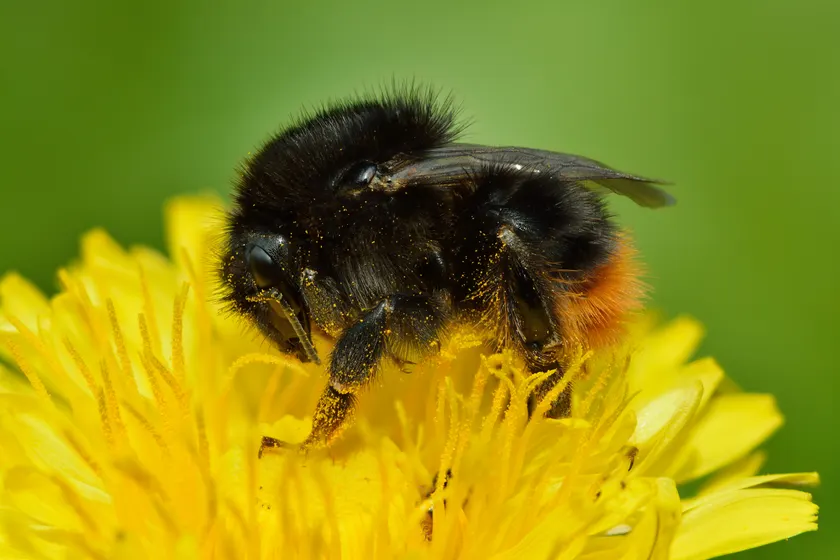 Science
Wild bees did best on grasslands that were used, but not used hard
Researchers in Göttingen counted 6,716 wild bees of 235 species on 96 chalk grasslands in Estonia, Germany, and Spain, and found the richest sites were managed lightly.
Verified · Phys.org