Wild bees did best on grasslands that were used, but not used hard
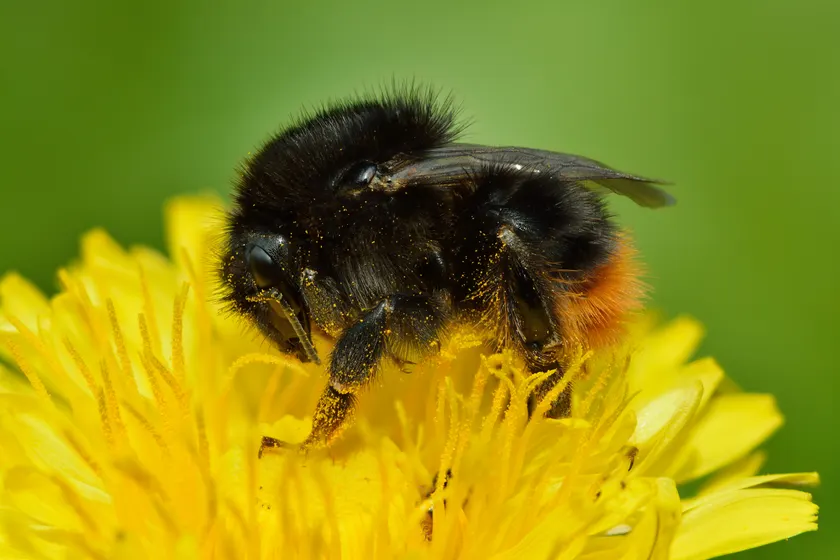
Researchers in Göttingen counted 6,716 wild bees of 235 species on 96 chalk grasslands in Estonia, Germany, and Spain, and found the richest sites were managed lightly.

Read the original
The reporting lives at Phys.org. Our summary is checked against it, and we link it on every story.
Phys.org reported on November 18, 2026, that a University of Göttingen team found wild bees richest on calcareous grasslands that are managed, but not intensively. The study, published in the Journal of Applied Ecology, covered 96 sites in Estonia, Germany, and Spain over two years. Researchers recorded 6,716 wild bees in 235 species. Diversity peaked at low to moderate use, partly because those meadows held more kinds of plants. In two of the three regions, bees also did better when other chalk grasslands sat nearby.
Lead author Ira Hannappel said traditional use of these meadows often no longer pays, so many are being abandoned and then grow over with scrub. The team also looked at European agri-environment payments. In Germany, payments tied to farming helped the bees on these grasslands only where chalk grassland was already common in the surrounding landscape. The authors said there is no single recipe. Protecting and restoring the grasslands themselves comes first, and payments can add to that only in some places. The result is a count and a pattern. It is not a claim that the meadows have been saved.
For the classroom
Phys.org reported on November 18, 2026, that scientists at the University of Göttingen counted wild bees on 96 chalk meadows in Estonia, Germany, and Spain. Over two years they recorded 6,716 bees in 235 species. The meadows with the most species were used a little, not left to grow into scrub, and not used very hard. In two of the three countries, bees also did better when another chalk meadow was nearby. The study does not say every meadow in Europe is safe. It says gentle use, and meadows near each other, held more kinds of bees.
- Why might a meadow that nobody uses at all become a harder place for bees?
- The scientists worked in three countries. What is one reason the same kind of meadow might need a different plan in each place?
For a teacher to read with a class. Print the story of the day · Morning announcements · All classroom stories · This week's Good News Friday pack
Göttingen, GermanyPollinatorsWildlife conservationGood news on November 18
More good news
Other stories in the same neighborhood of kindness.
 Science
Divers off Dahme are replanting seagrass, and a 2021 meadow looks dense
Conservation divers lifted shoots from a donor meadow in the Baltic and are checking a meadow first planted in 2021. Scientists say the Baltic's long decline in seagrass has stopped, not that the lost meadows are back.
Verified · DW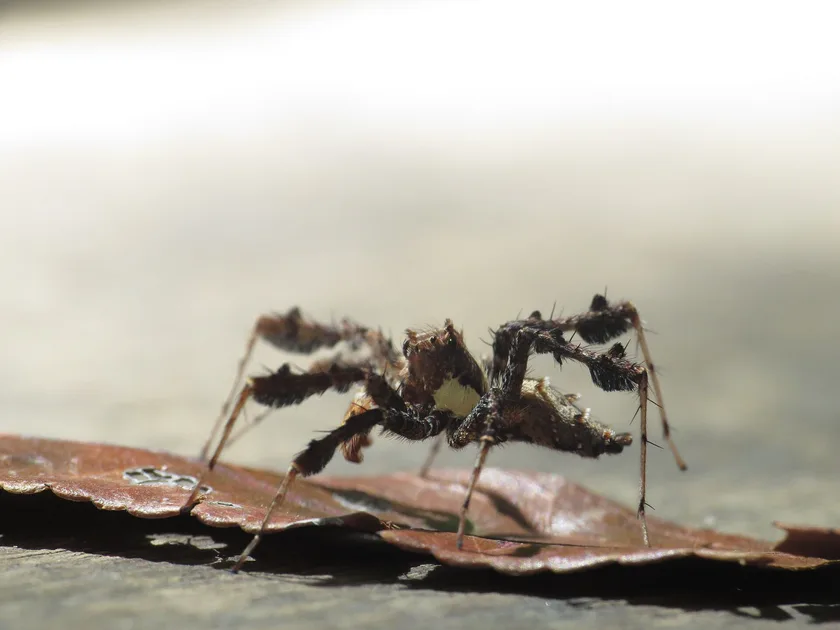 Science
A jumping spider in a Bonn study slept in two clear stages
Video of Portia fimbriata, published in PNAS, showed a still phase and a later one with eye movements and twitching legs. The spiders were slower to wake from the still phase.
Verified · ABC Science Science
Archaeologists found a Roman temple just under a Taunus forest floor
The small temple beside the Kapersburg fort was only inches underground. An inscription suggests it was dedicated to Mars, and a figurine is likely Victoria.
Verified · Smithsonian Magazine