Four of six captive-bred broad-headed snakes lived through their first months wild
A University of Technology Sydney team said at least four of six young snakes released in the Shoalhaven in May were still alive months later. The trial is small, and two snakes from the breeding group were not released.

Read the original
The reporting lives at University of Technology Sydney. Our summary is checked against it, and we link it on every story.
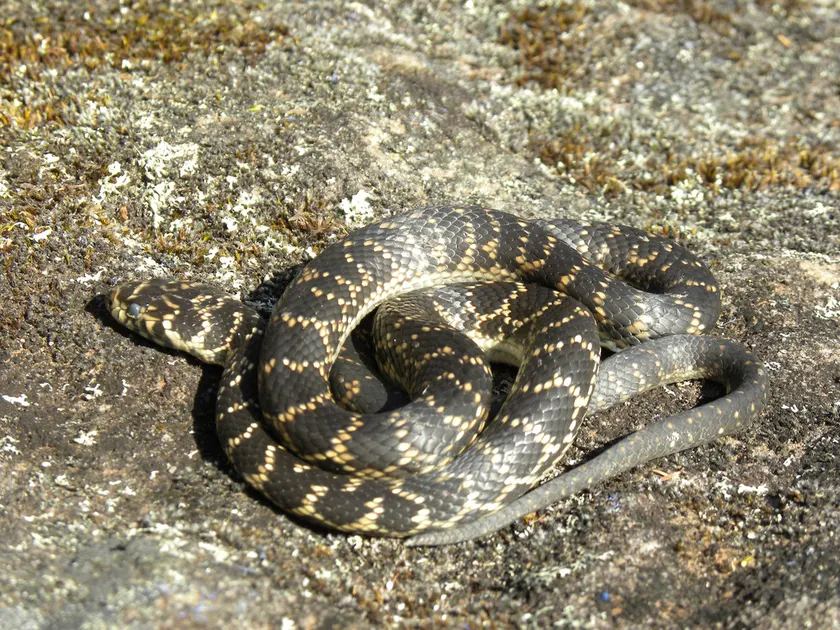
At least four of six captive-bred broad-headed snakes were still alive months after they were returned to rocky habitat in the Shoalhaven, the University of Technology Sydney reported on November 6, 2026. Professor Jonathan Webb, who has studied the species for 34 years, is leading the trial with Aussie Ark and Traditional Owners of the Shoalhaven. The snakes went out in mid-May 2026, under artificial rocks designed by Benjamin Croak to match the crevices and warmth of natural rock. The snakes are nocturnal and shelter there by day.
Eight snakes have been bred since the Aussie Ark program started in October 2024. Two were kept back because of their genes. Webb said reintroducing captive-bred animals is hard because young snakes can be eaten by kookaburras, other snakes, cats, or foxes. His long watch of a population in Morton National Park, south of Sydney, found a drop of about 64 percent by 2023 after drought and the 2020 fires. Females breed only every two or three years, so a small loss takes a long time to replace.
The university called the release a world first and said the early results are encouraging. The checked result is survival of at least four of the six through the first months, tracked in fortnightly surveys, with Indigenous rangers helping. It is a pilot. It is not yet a growing wild population, and Webb said the next years are for restoring habitat and releasing more snakes at chosen sites.
For the classroom
The University of Technology Sydney reported on November 6, 2026, that young broad-headed snakes bred in care were returned to rocky country in the Shoalhaven. Six went out in May and sheltered under artificial rocks built to hold heat like real stone. Months later, at least four of the six were still alive. Eight snakes have been bred since October 2024, and two stayed in captivity. Indigenous rangers help check on them. This is a small first trial, not a whole wild population restored.
- Why would a young snake need a rock that holds the right amount of heat?
- Why is four survivors out of six both good news and a small number?
- What could a ranger learn by checking the same rocks every couple of weeks?
For a teacher to read with a class. Print the story of the day · Morning announcements · All classroom stories · This week's Good News Friday pack
Nowra, AustraliaWildlife conservationIndigenous communitiesGood news on November 7
More good news
Other stories in the same neighborhood of kindness.
 Animals
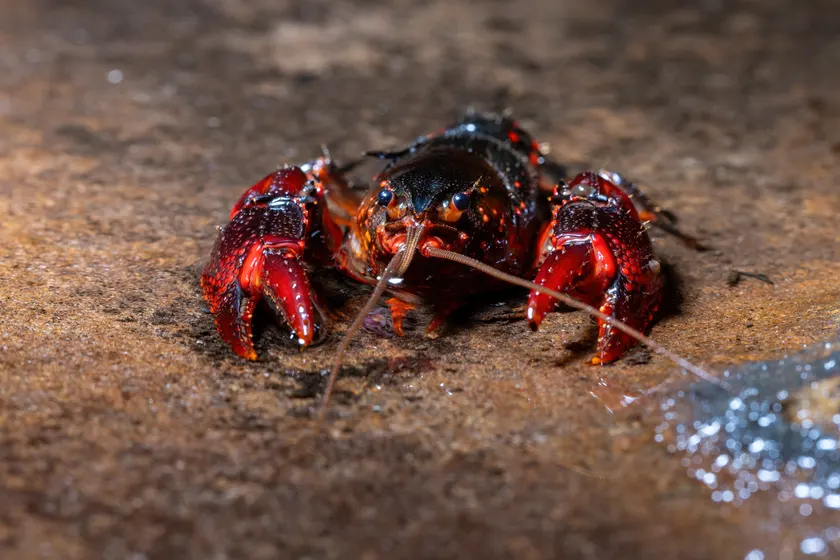
Alpine crayfish rescued after a High Country fire are heading home
Scientists saved 11 endangered alpine spiny crayfish from a sediment-choked stream near Lucyvale. A group is now going back after months at a hatchery, the first time the species has been kept in captivity.
Verified · ABC News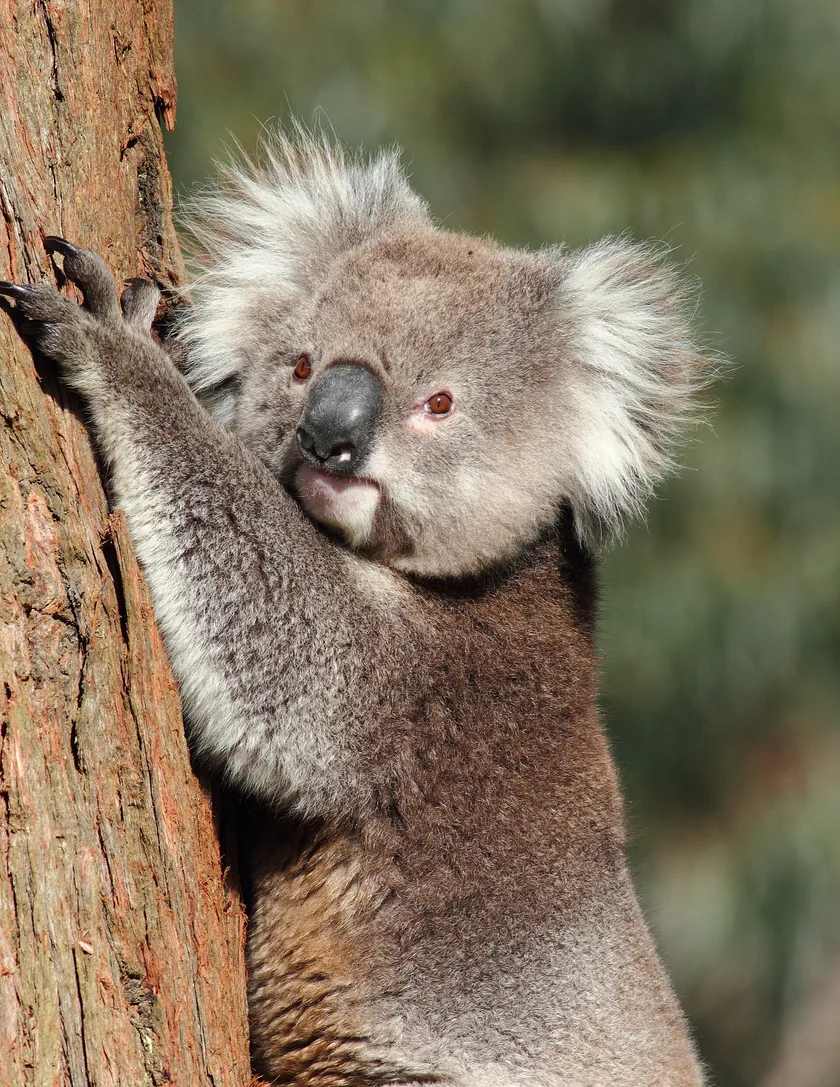 Animals
A walker pulled a koala joey off a python in Brisbane
Nell was walking her dog in Whites Hill Reserve when a mother koala was fighting a python wrapped around her baby. She unwound the snake, checked the joey, and watched it climb back to its mother.
Verified · ABC News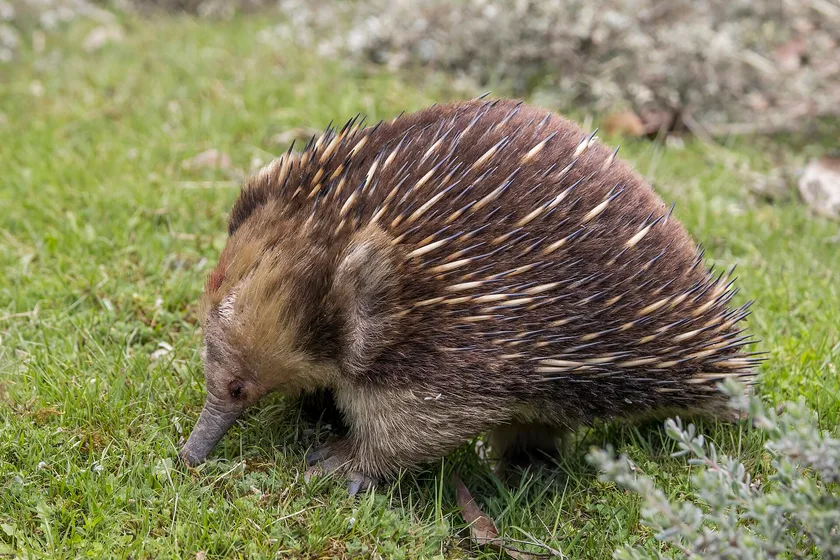 Animals
Echidnas are turning up again on Aboriginal-owned Lungtalanana
A ranger found one in a cat trap in September, the first echidna seen in person on the island in decades. Trail cameras have now recorded them at four places. A specialist said he would be surprised if the island held fewer than a dozen.
Verified · ABC News