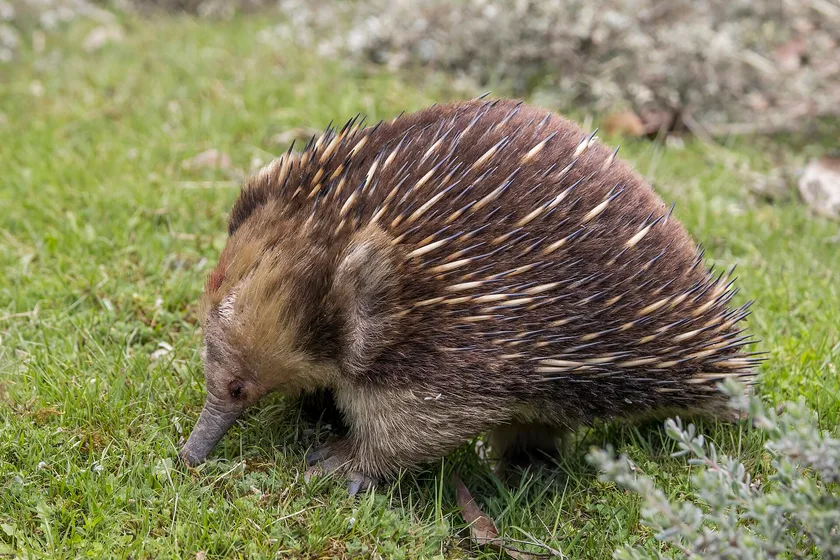
Echidnas are turning up again on Aboriginal-owned Lungtalanana
A ranger found one in a cat trap in September, the first echidna seen in person on the island in decades. Trail cameras have now recorded them at four places. A specialist said he would be surprised if the island held fewer than a dozen.

Read the original
The reporting lives at ABC News. Our summary is checked against it, and we link it on every story.
ABC News reported on November 5, 2026, that echidnas are being recorded again on Lungtalanana, also known as Clarke Island, in the Furneaux Group. The island, about 8,230 hectares, returned to Aboriginal ownership in 2005. Pakana ranger Tasha Cooper found one curled in a feral-cat trap in September, the first echidna seen in person on the island in decades. She called the moment overwhelming. Trail cameras have since recorded echidnas at four separate locations.
A camera in 2023 caught two images months apart, noticed in 2024 because of the volume of footage. That was the first sighting in decades, after a 2014 bushfire burned 98 percent of the island's vegetation and raised fears the animals were gone. WWF Australia, which supports the Aboriginal-led restoration, had called the 2023 animal "Australia's loneliest" echidna. Another image came in 2025, and three more this year, before Cooper's encounter.
University of Tasmania specialist Stewart Nicol told ABC that echidnas are hard to count without tracking. Given the island's size and four or five sightings, he said he would be surprised if there were fewer than a dozen, and that there would probably be more than 20 or 30. That is his judgment, not a census. The Tasmanian Aboriginal Centre launched the Lungtalanana Restoration Project last month, covering weed removal, wildlife tracking, cat control, and a hope of returning locally extinct species such as Bass Strait wombats, Bennett's wallabies, and long-nosed potoroos. Those returns have not happened yet. Ranger Tooarn Brown said cats have to go before major rehabilitation. The news is the sightings and the project now underway.
For the classroom
ABC News reported that echidnas are being seen again on Lungtalanana, also called Clarke Island, in Bass Strait. The island is owned by Aboriginal people. In September, ranger Tasha Cooper found an echidna in a trap set for feral cats. It was the first time in decades that someone had seen one of these animals in person on the island. Trail cameras have recorded echidnas at four places. A scientist said the island may hold more than a dozen, and possibly more than 20 or 30, but that is an estimate, not a full count. Rangers are also removing feral cats and repairing habitat.
- Why would a photo from a trail camera matter when an animal is hard to see in person?
- What is one way people on the island are making it safer for native animals?
For a teacher to read with a class. Print the story of the day · Morning announcements · All classroom stories · This week's Good News Friday pack
Lungtalanana, AustraliaWildlife conservationIndigenous communitiesGood news on November 5
More good news
Other stories in the same neighborhood of kindness.
 Animals
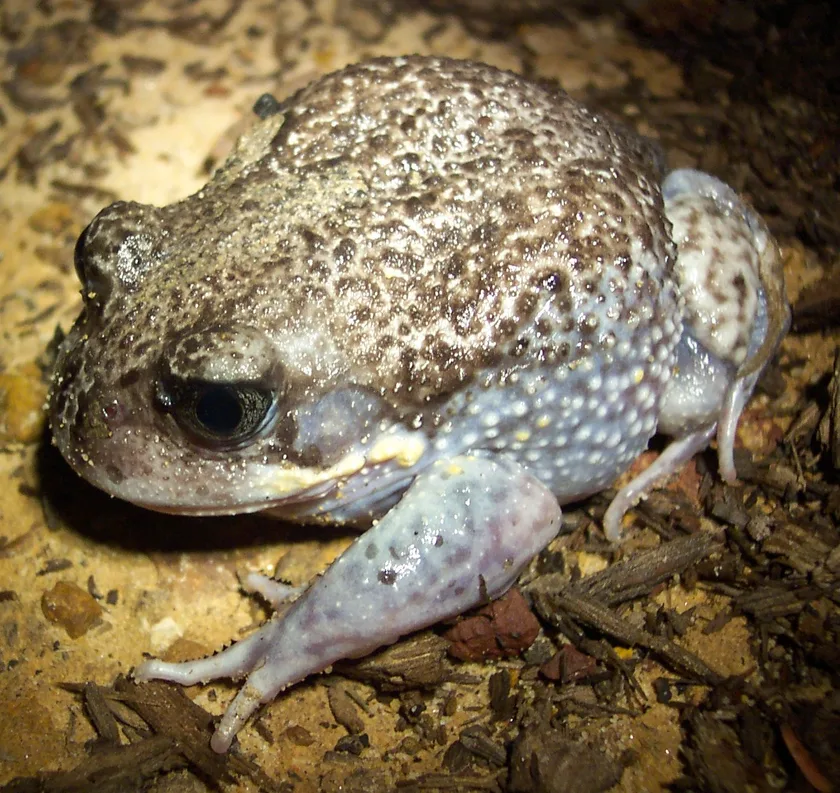
Fifty-three giant burrowing frogs went home to East Gippsland
Zoos Victoria raised tadpoles collected after the 2019-20 fires and bred the species in captivity for the first time. The 53 males released this spring were tagged, and song meters are listening for them.
Verified · The Guardian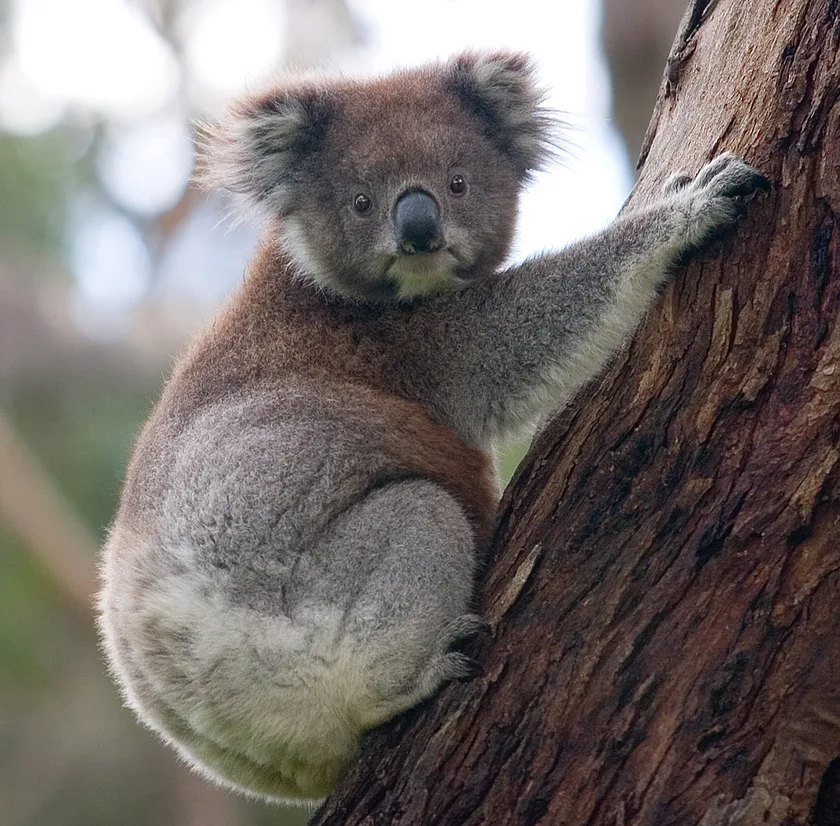 Animals
Surveys near Newcastle point to a large koala population with no chlamydia found
University of Newcastle researchers estimate about 2,300 koalas in the Sugarloaf-Stockrington reserve. Scat tests on 27 animals, and clinic records for 27 more nearby, showed no chlamydia. A pathologist says that is not proof the whole pocket is free of it.
Verified · ABC News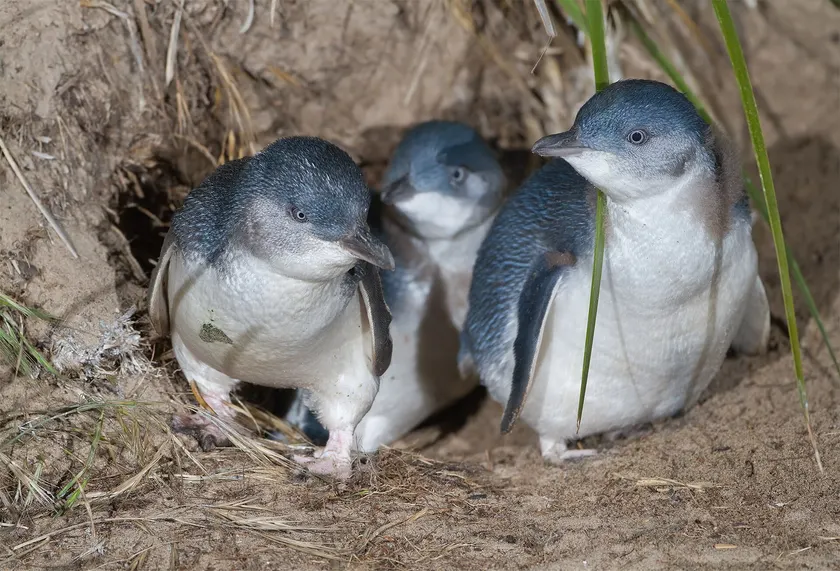 Animals
Volunteers counted 46 little penguins on Granite Island
The Friday census found 10 more adults than last year. The colony is still a fraction of the thousand birds that lived there before 2012.
Verified · ABC News