Women in Uttarakhand are still keeping native bees in the walls
In the Kumaon hills, household wall cavities still shelter Indian honey bees, and the women who tend those hives are the reason many colonies remain.

Read the original
The reporting lives at Mongabay. Our summary is checked against it, and we link it on every story.
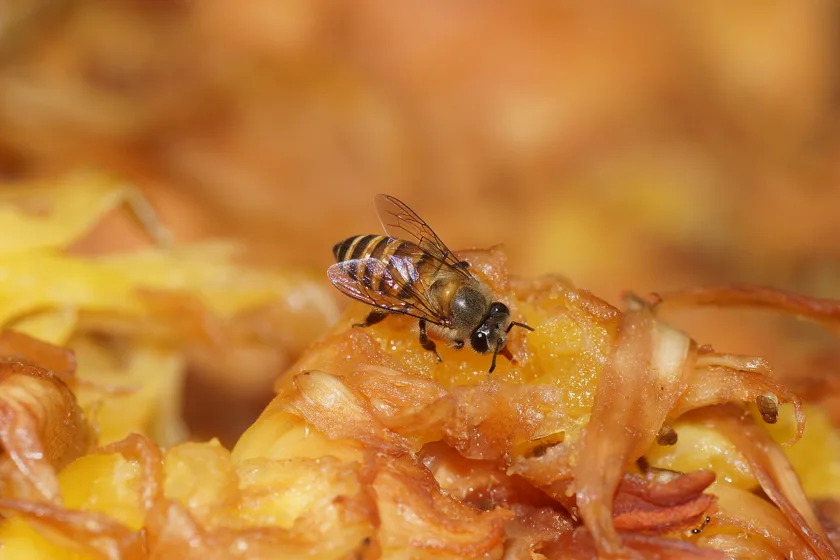
In the Himalayan district of Pithoragarh, native honey bees still live inside the walls of older houses, and the people who look after them are usually women. Mongabay reported on October 20, 2026, from villages in Uttarakhand where Apis cerana indica occupies a cavity built into the wall, with a round door outside and a clay-sealed panel inside.
Nagma Parveen, of Kumaun University in Nainital, told Mongabay that the bees are still there because women kept those hives. The work sits inside ordinary housework: sealing the panel with mud and dung, leaving a honey trail to invite a swarm, and, in a cold week, offering seed powder when flowers are gone. Shakuntala Devi, in Ramni, said her hives were empty this year after heavy rain and wind. Saraswati Devi, 80, remembered harvests of about 3 kilograms a hive and said families now get closer to 1 or 2 kilograms.
A study cited in the report found that in one Garhwal block, traditional houses and their wall hives declined as cement houses, which held no colonies, spread. Parveen said the bees need people only because forests and weather have become harder. The story is a portrait of a practice that is still working in some courtyards, and thinning in others. It is not a new population count.
For the classroom
Mongabay reported on October 20, 2026, that many homes in the hills of Uttarakhand, India, have a small cavity in the wall for native honey bees. Women usually take care of those hives. They seal the back of the cavity with clay and cow dung, and in winter they may feed the bees when flowers are scarce. A researcher said these bees are still in the region because women kept the old hives. Newer cement houses often have no cavity, so the bees have fewer places to live. Some hives were empty this year after heavy rain.
- Why would a house be built with a space for bees?
- What happens to bees if new houses leave that space out?
- What is one way people can help bees find food near home?
For a teacher to read with a class. Print the story of the day · All classroom stories
More good news
Other stories in the same neighborhood of kindness.
 Animals
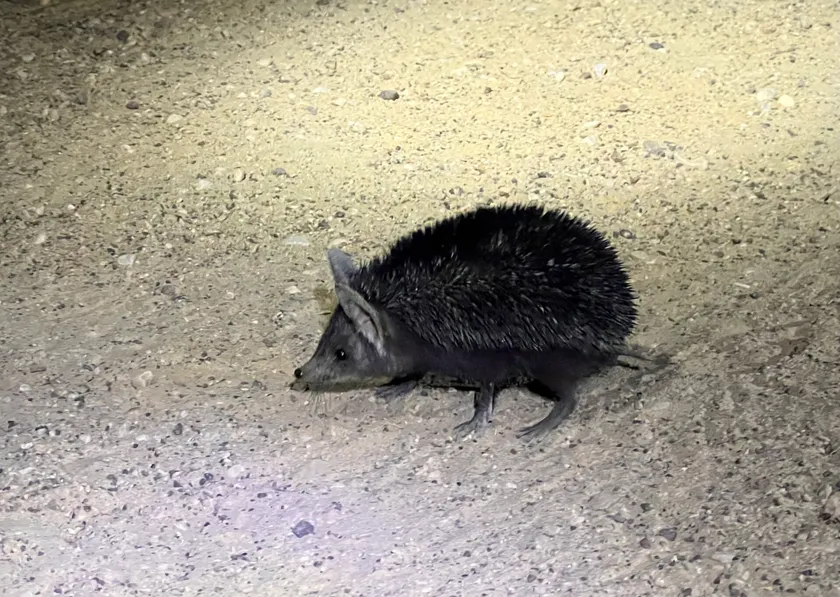
Tenkasi is asking students to watch out for the Madras hedgehog too
A school program that started with golden jackals is expanding to the Madras hedgehog after villagers reported sightings.
Verified · The Hindu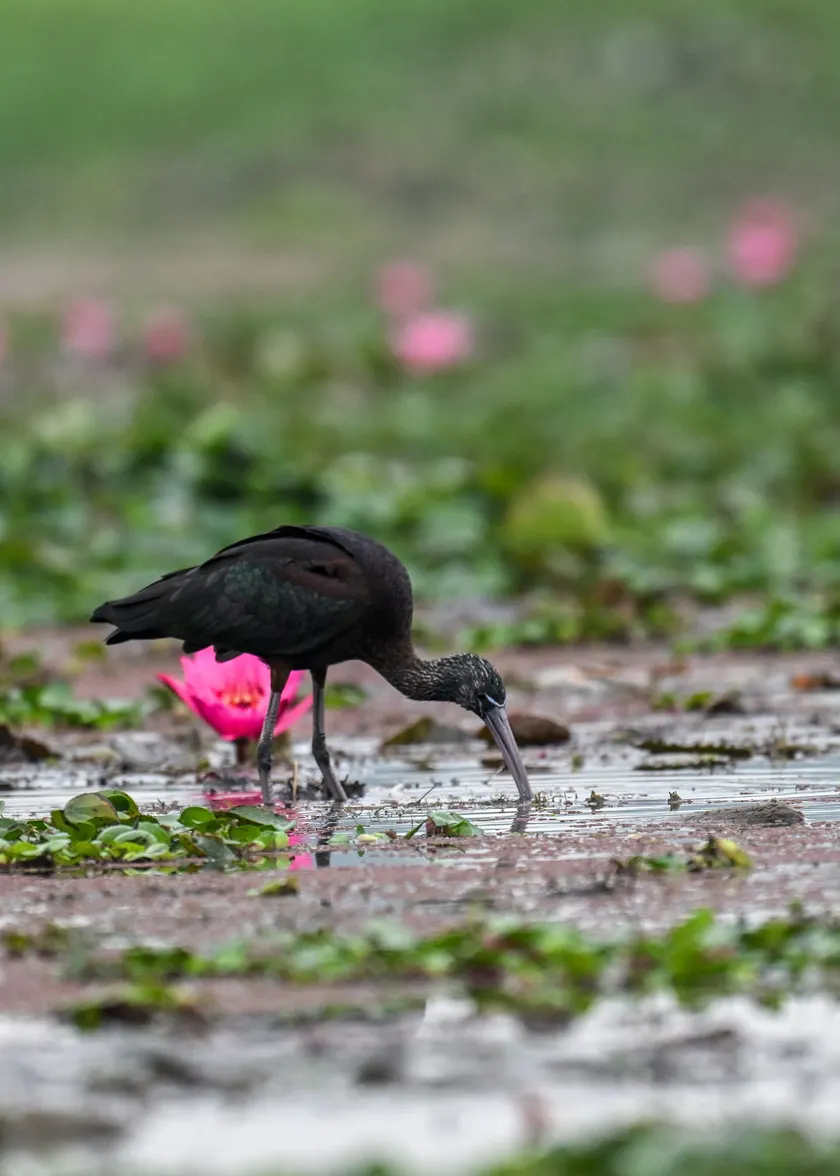 Animals
Volunteers counted more than 43,000 birds around Puducherry
Fifty-four people, including students, finished the fourth seasonal round of the Puducherry Bird Atlas with 158 confirmed species across wetlands that cross district lines.
Verified · The Hindu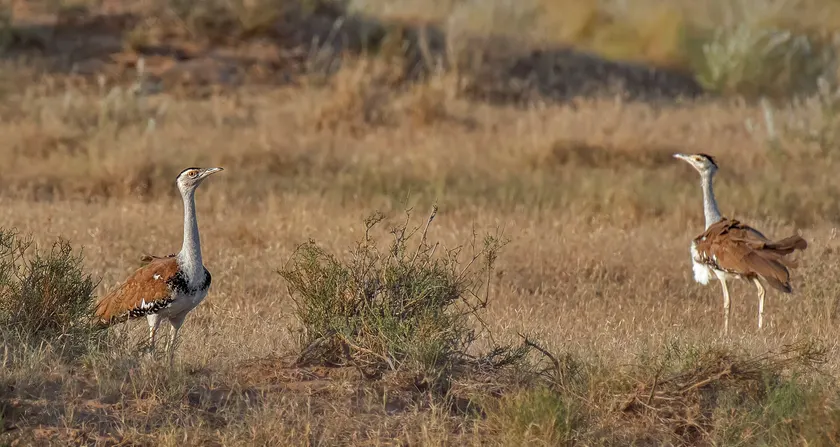 Animals
Two captive-bred great Indian bustards walked into the desert
On October 4, wildlife officials and scientists released two young males at Sam in Desert National Park. They are the first captive-bred birds the recovery program has put back into the wild.
Verified · The Times of India