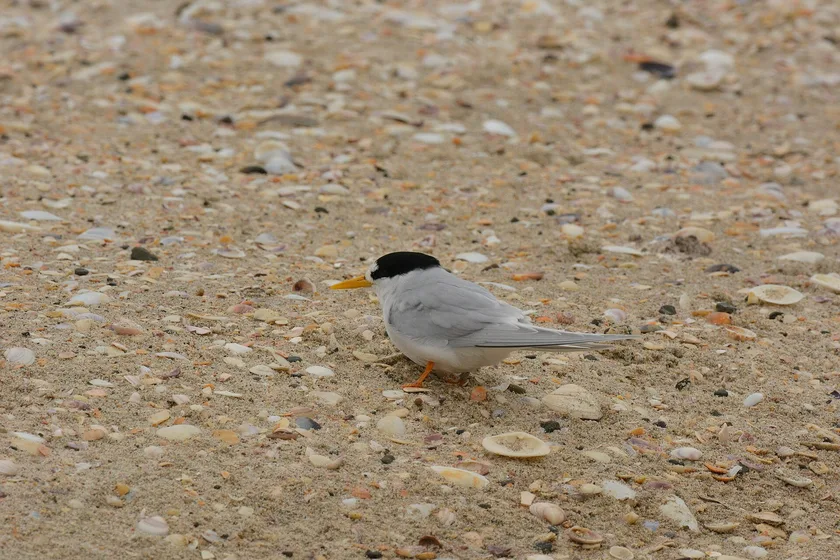
A young fairy tern pair is using a shell patch at Ruakākā
The Department of Conservation said the birds have been fishing in the estuary and landing on nesting shell prepared with Patuharakeke. No fairy tern nest has been confirmed there since 1989. The pair has not been shown to be breeding yet.

Read the original
The reporting lives at Department of Conservation. Our summary is checked against it, and we link it on every story.
The Department of Conservation said on November 4, 2026, that a young pair of tara iti, New Zealand fairy terns, has been fishing in the Ruakākā estuary and landing on a shell patch near the river mouth. The last confirmed breeding record at Ruakākā was in 1989. Programme lead Ayla Wiles said it is too early to know whether the pair will nest this season. One bird is a two-year-old female reared at Auckland Zoo. DOC said that, given the pair's age and inexperience, breeding this year is far from certain.
Over winter, DOC looked at possible new sites at Ruakākā, northern Waipū, and Ōmaha, and chose the north side of the Ruakākā river mouth. Hapū Patuharakeke helped build the shell nesting area. Fairy terns lay camouflaged eggs directly on the ground, and shell is the surface they use. Bream Bay Coastal Care added four automated rat and possum traps to its network. Volunteers from Waipū About Tern and Bream Bay Coastal Care have been watching the site, with seasonal rangers due as the season goes on.
Wiles said the wider population may reach an estimated 14 to 15 breeding pairs this season, the highest number in many years. Juliane Chetham of Patuharakeke Te Iwi Trust Board called the birds' return a sign for the health of the coast, while DOC's own wording is that the birds are exploring, not that a nest has been found. The news is the sightings, the shell patch, and the four new traps. It is not a confirmed nest at Ruakākā.
For the classroom
New Zealand's Department of Conservation said a young pair of tara iti, the New Zealand fairy tern, has been seen at Ruakākā. The birds have been fishing in the estuary and landing on a patch of shells that people prepared as a nest site. The last confirmed nest there was in 1989. One of the birds is a two-year-old female who was raised at Auckland Zoo. Rangers said it is too early to know if the pair will nest this season. Across all sites, the department expects about 14 to 15 breeding pairs this year, the most in many years. Local volunteers added four automatic traps for rats and possums. The news is the visits and the prepared shells, not a nest with eggs.
- Why would people spread shells on a beach before any bird has nested there?
- What is one reason a two-year-old bird might not lay eggs in its first season at a new place?
For a teacher to read with a class. Print the story of the day · Morning announcements · All classroom stories · This week's Good News Friday pack
Ruakākā, New ZealandBirdsWildlife conservationIndigenous communitiesVolunteersGood news on November 4
More good news
Other stories in the same neighborhood of kindness.
 Animals
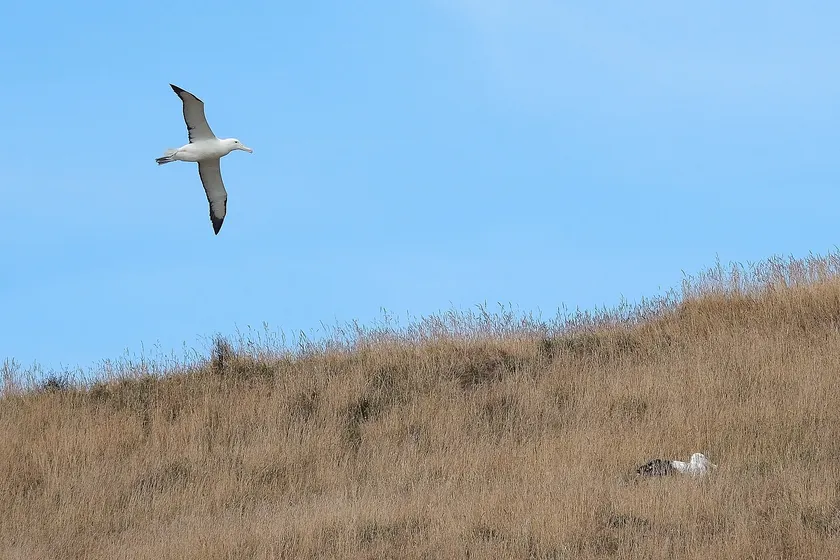
Viewers watched the first royal albatross egg of the season at Taiaroa Head
The bird known as L laid on a nest left from last season, in front of the colony camera. Four more eggs have followed, after a season that sent 38 chicks out to sea.
Verified · RNZ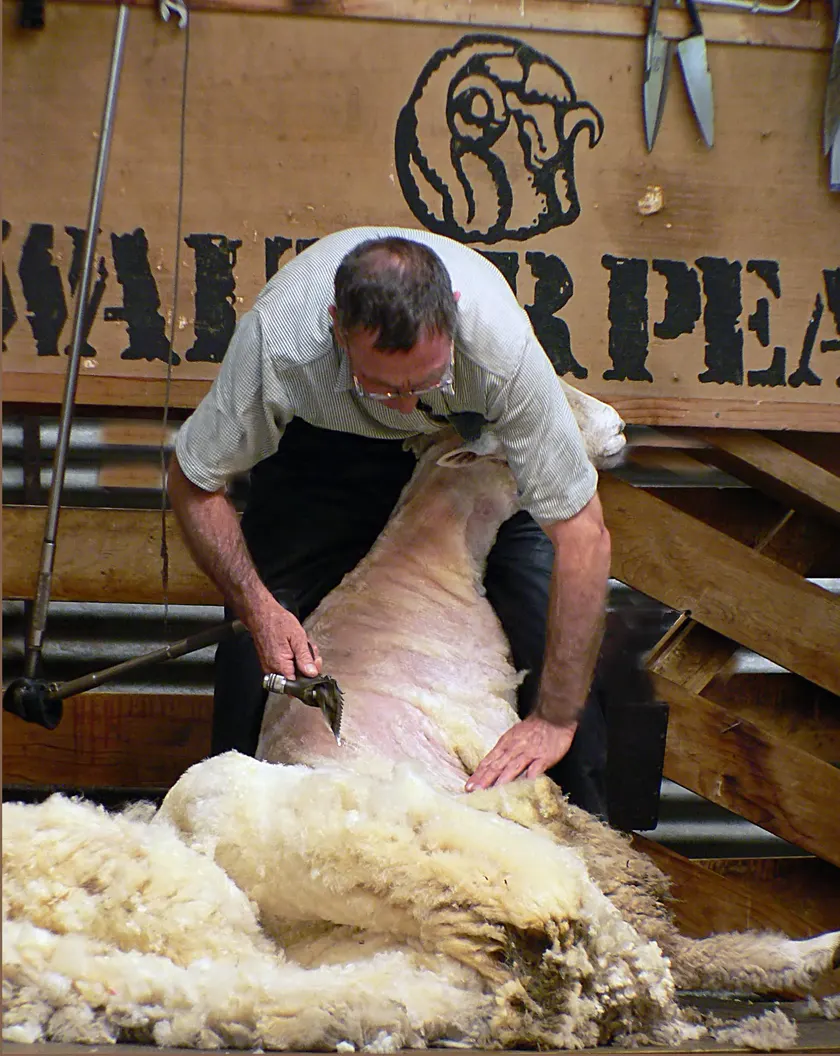 Animals
Two wool-heavy sheep on Te Mata Peak finally got a shear
A Napier SPCA team, a farmer, and three dogs caught the pair after earlier tries failed. An ex-shearer took the fleeces off, and the farmer is keeping them.
Verified · RNZ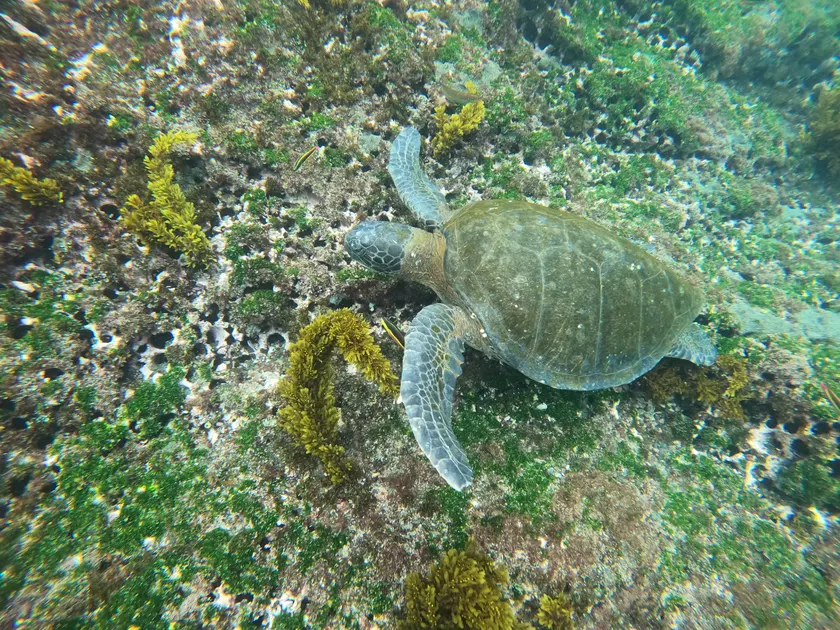 Animals
Satellite tags show where New Zealand's sea turtles linger
Eleven rehabilitated green turtles, tracked for months, keep returning to a handful of northern harbours. One swam nearly to Wellington and back.
Verified · RNZ