Slimbridge is marking 80 years as a home for nēnē geese
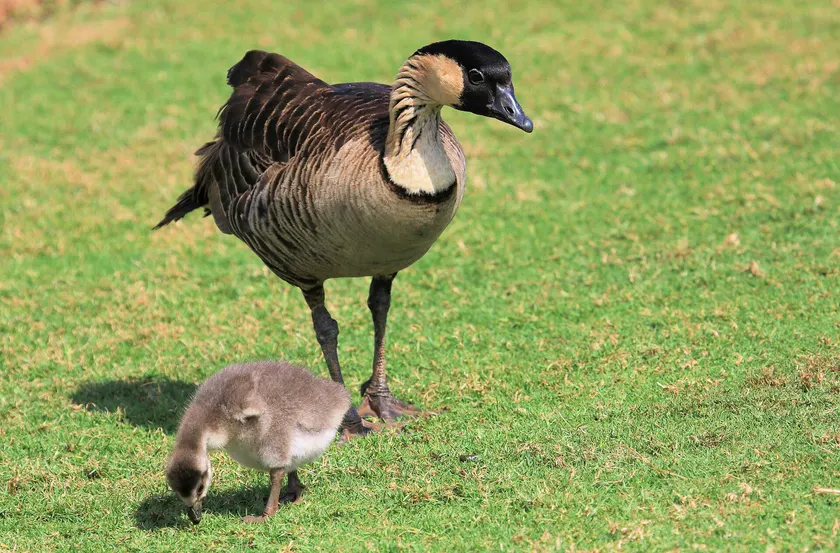
The Wildfowl and Wetlands Trust opened its first reserve on the Severn in 1946. A handful of nēnē still live there, from a breeding effort that began when about two dozen birds were left in Hawaii.

Read the original
The reporting lives at BBC. Our summary is checked against it, and we link it on every story.
Slimbridge, the first reserve of the Wildfowl and Wetlands Trust, is marking 80 years on the banks of the Severn. The BBC reported on November 10, 2026, that Peter Scott arrived in November 1946 for the swans and geese that winter there after flying from the Arctic. He settled beside a lake, dug channels, and built hides. The trust now runs 10 wetland reserves in the UK.
One of the early projects was the nēnē, the Hawaiian goose. By 1949 about 24 birds remained. Scott asked Hawaii for a few, received two females first, and later hand-reared nine chicks at Slimbridge. The BBC said more than 3,000 nēnē live now, most of them in Hawaii, and that a handful are still at Slimbridge, where volunteers feed them lettuce. The reserve has also hand-reared common cranes and the Madagascar pochard. Chief executive Sarah Fowler used the anniversary to argue for restoring a million hectares of wetland worldwide. She said about 85 percent of the world's wetlands have been lost, and that the charity calculates salt marshes bury carbon about four times faster than trees. That carbon figure is the trust's claim. The news is the 80th year and the nēnē that are still on the reserve. It is not a completed global restoration.
For the classroom
The BBC reported on November 10, 2026, that Slimbridge, a wetland reserve on the River Severn in Gloucestershire, is 80 years old. Naturalist Peter Scott settled there in November 1946 because swans and geese flew in from the Arctic to spend the winter. He dug lakes and built hides so people could watch without scaring the birds. One project was the nēnē, a goose found only in Hawaii. By 1949 only about 24 were left. Scott asked for a few birds, hand-reared them at Slimbridge, and the first eggs produced nine chicks. Today there are more than 3,000 nēnē, most of them in Hawaii, and a small group still lives at Slimbridge, where volunteers feed them. The charity that grew from the reserve now runs 10 wetland centres in the UK.
- Why would a goose from Hawaii be raised in England?
- What can a hide do for birds that a close crowd cannot?
For a teacher to read with a class. Print the story of the day · Morning announcements · All classroom stories · This week's Good News Friday pack
Slimbridge, United KingdomBirdsWildlife conservationParksGood news on November 11
More good news
Other stories in the same neighborhood of kindness.
 Animals
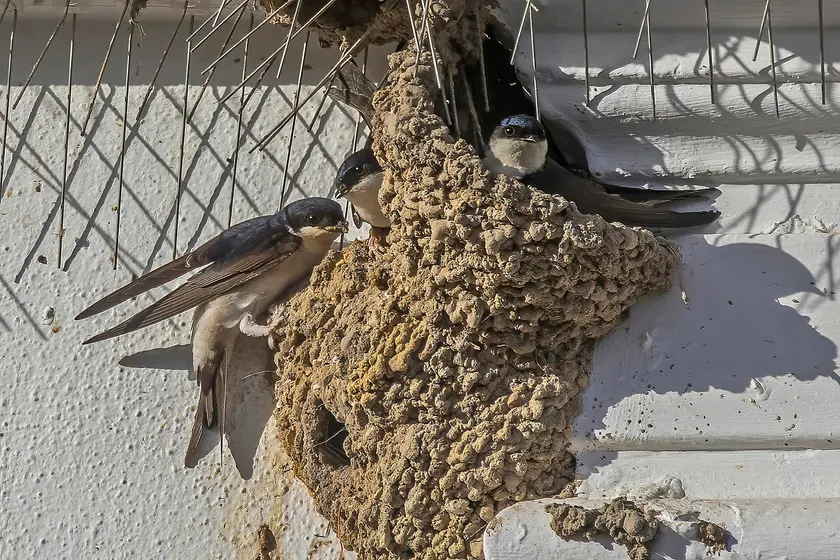
Hampshire is offering hundreds more nest cups for house martins
A pilot put up 249 artificial cups and 27 were used, more than the team expected. The next phase could fit as many as 900, free, near known nests.
Verified · BBC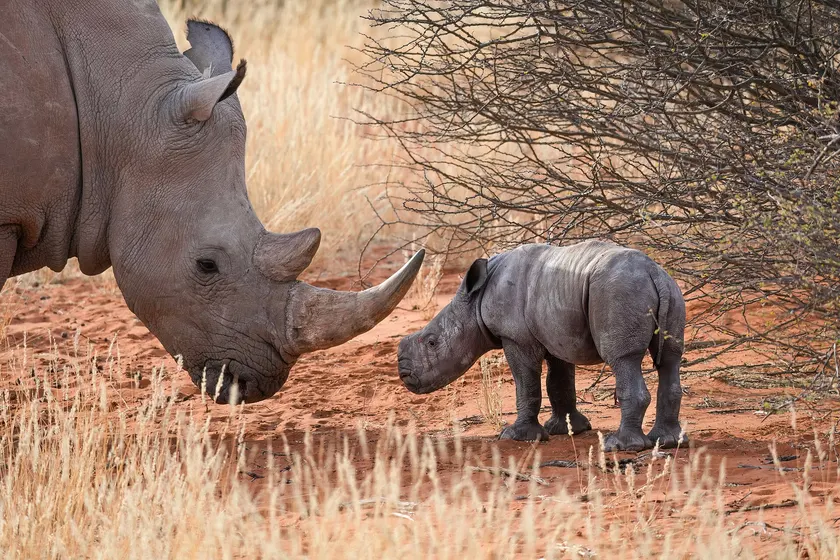 Animals
Whipsnade Zoo named its new white rhino calf Mazinda
Keepers said the male calf, born November 1 to Fahari and Sizzle, is the 61st southern white rhino born at the zoo since a breeding program began in 1970.
Verified · Luton Today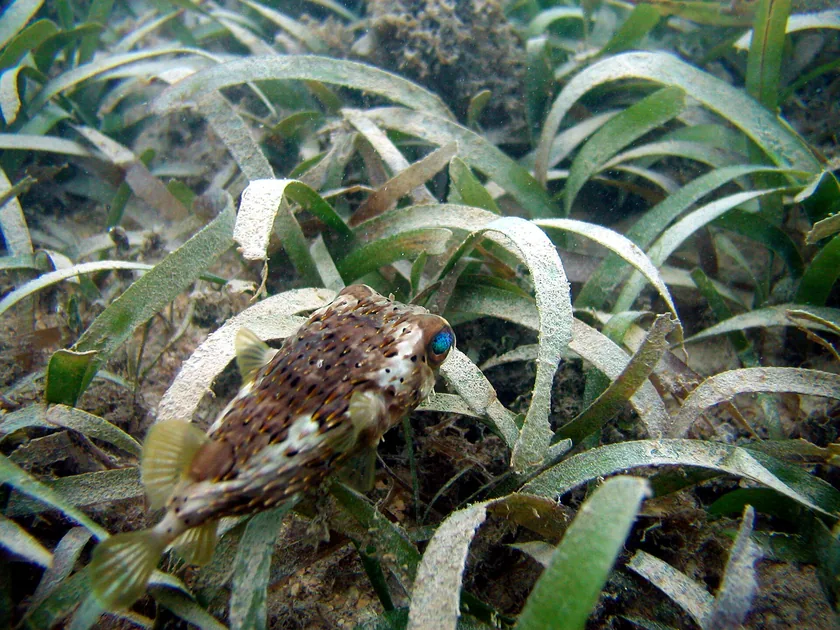 Animals
More than 430 seagrass shoots came up in the Fowey Estuary
Cornwall Wildlife Trust found the new growth across 50 patches after a spring when only six seedlings had shown. Volunteers planted seed from Torpoint last autumn.
Verified · BBC News