UConn engineers found water drives the body's natural spring
A Nature Communications study using simulations shows hydration water does most of the work in elastin's stretch and recoil, a finding aimed at tissue and biomaterials research.
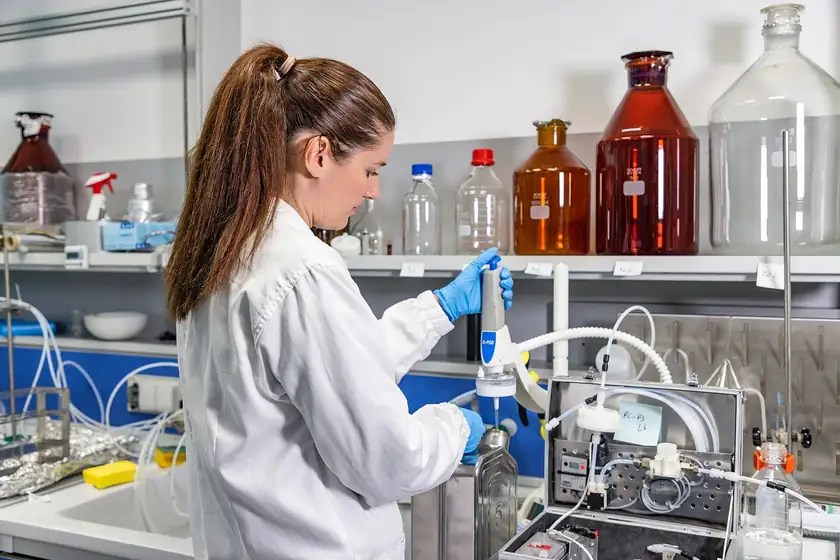

Read the original
The reporting lives at UConn Today. Our summary is checked against it, and we link it on every story.
University of Connecticut engineers report that water does most of the work when elastin stretches and snaps back, UConn Today wrote about a study in Nature Communications. The team used simulations. Those models found that hydration water, the water associated with the protein, accounts for most of that spring-like behavior. The researchers say the result can inform work on tissue and on biomaterials. It is a finding about how elastin works in simulation. It is not a treatment, and it was not a trial in patients.
For the classroom
Engineers at the University of Connecticut studied elastin, a material in the body that stretches and snaps back, like a spring in skin and other tissue. UConn Today reported that a paper in Nature Communications used computer simulations, not a treatment tried on patients. The simulations found that water held around the elastin does most of the work of that stretch and recoil. The finding is meant to inform research on tissue and on materials made to behave like tissue. It is an explanation of how elastin works, not a new medicine.
- Why would scientists use a computer simulation before they change anything in a real body?
- What is the difference between learning how a tissue works and treating a patient?
- Where do you notice something in your body stretching and then returning to shape?
For a teacher to read with a class. Print the story of the day · Morning announcements · All classroom stories · This week's Good News Friday pack
Storrs, ConnecticutMedical researchPublic healthGood news on November 10
More good news
Other stories in the same neighborhood of kindness.
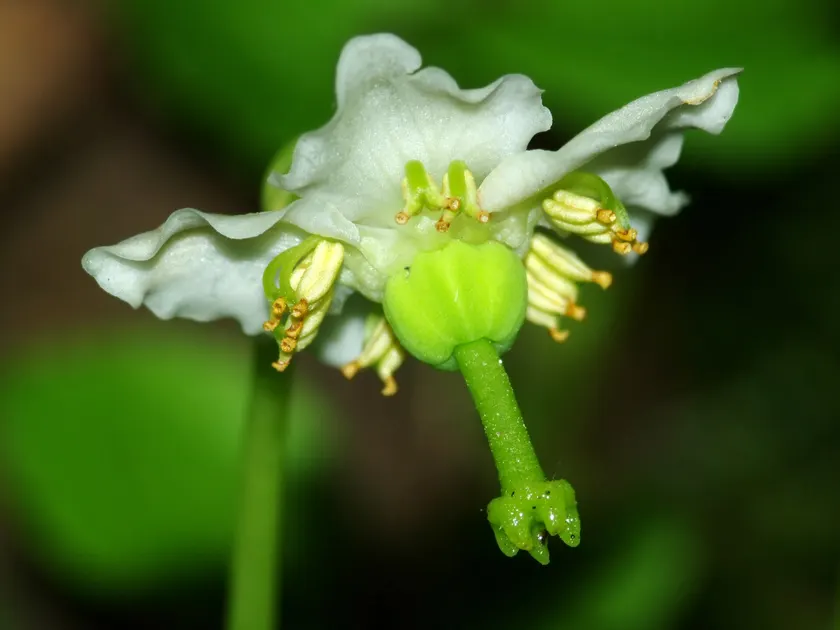 Science
About 3,400 rare wintergreens were moved off an eroding Scottish beach
Plantlife and partners dug up one-flowered wintergreens at Culbin Sands before the sea took them. NatureScot says survival in the new spot is not known yet.
Verified · BBC News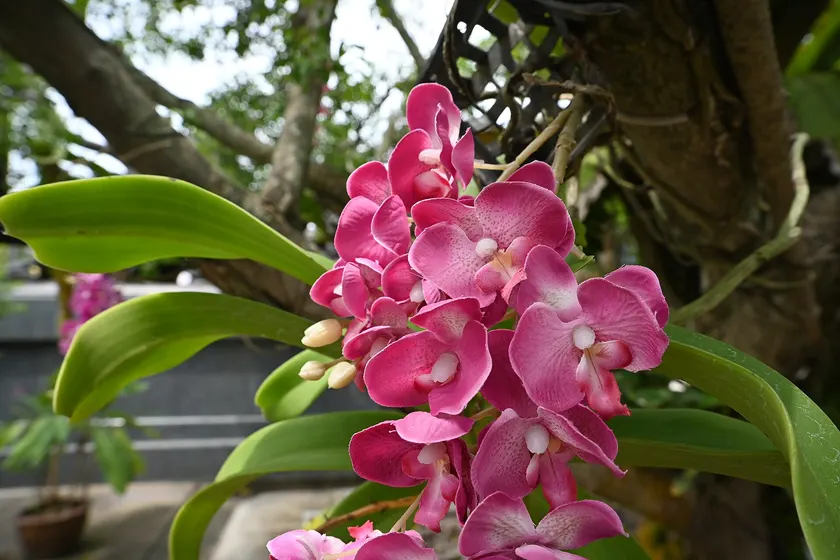 Science
More than 19,500 rescued orchids are still alive near Kozhikode
Researchers tied 27,324 tree-growing orchids onto trees at a beach and two public wetlands before road work felled their hosts. After one to two years, nearly 71 percent were alive.
Verified · Mongabay Science
Caldera High students turned leftover pumpkins into compost
At a Pumpkin Smash, Bend residents dropped off Halloween pumpkins. The load went to a commercial composting facility instead of the landfill, and organizers hope to repeat it.
Verified · Central Oregon Daily News