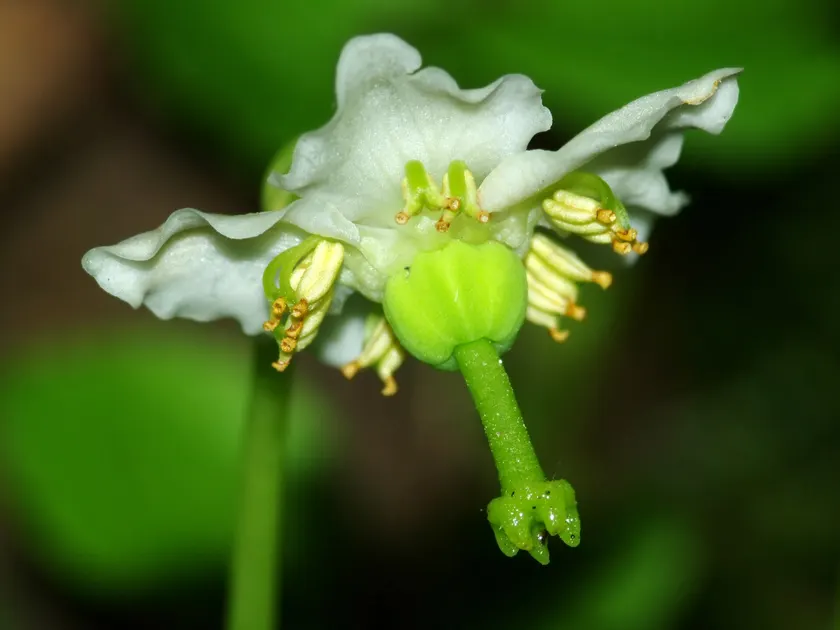
About 3,400 rare wintergreens were moved off an eroding Scottish beach
Plantlife and partners dug up one-flowered wintergreens at Culbin Sands before the sea took them. NatureScot says survival in the new spot is not known yet.

Read the original
The reporting lives at BBC News. Our summary is checked against it, and we link it on every story.
About 3,400 one-flowered wintergreens were dug up at Culbin Sands, near Findhorn, and moved to a safer patch of Culbin Forest. BBC News reported the rescue on November 10, 2026. In the United Kingdom the plant grows only in pine woodlands in north-east Scotland, and more than half of that population has been lost over 50 years. The plants sat on a stretch of beach the sea has eroded. Plantlife Scotland worked with Forestry and Land Scotland, NatureScot, and volunteers.
Sam Jones of Plantlife called the move a way to keep an endangered flower from being lost. The wintergreen often grows where fungi are rich in the soil, and it can take energy from that fungus as well as making food from sunlight. Iain Macdonald of NatureScot said it is not yet known how many plants will survive in the new spot. He said any survival counts as a success, because the old patch was going to fall into the sea. The news is this move of about 3,400 plants. It is not a new census of every wintergreen in Scotland.
For the classroom
BBC News reported that about 3,400 one-flowered wintergreens were moved at Culbin Sands, near Findhorn, so the sea would not take them. In the United Kingdom this flower grows only in pine woods in north-east Scotland, and more than half have been lost in 50 years. Plantlife worked with Forestry and Land Scotland, NatureScot, and volunteers. They dug up a beach patch and replanted it in a safer part of Culbin Forest. The flower can also draw energy from a fungus in the soil. NatureScot said it is not yet known how many will live. Any that do are a success, because the old patch was going to be lost.
- Why move a plant instead of waiting to see if the beach holds?
- What does a plant need besides sunlight, if this flower can also use a fungus?
For a teacher to read with a class. Print the story of the day · Morning announcements · All classroom stories · This week's Good News Friday pack
Findhorn, United KingdomWildlife conservationParksGood news on November 10
More good news
Other stories in the same neighborhood of kindness.
 Science
A CT scanner read the four-letter code on a 1583 shipwreck padlock
The brass lock from the Ann Francis, wrecked off Port Talbot in 1583, opens to the letters A-N-C-E. Cardiff engineers found the combination inside the mechanism without forcing the rings.
Verified · BBC News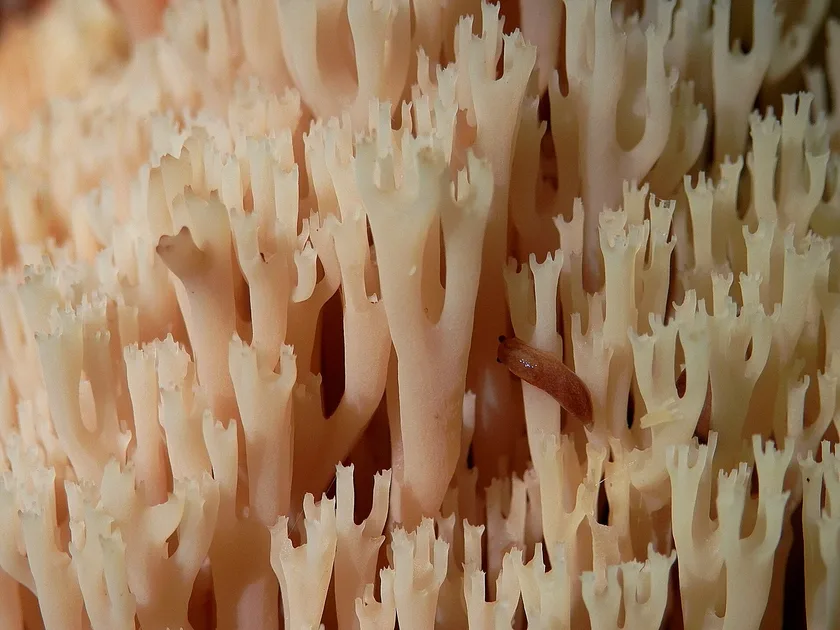 Science
A keeper found crown-tipped coral fungus on a log in Kent
Staff at Wildwood Trust near Canterbury spotted the fungus by the rabbit enclosure. It went 116 years without a confirmed British record before a 2012 sighting in Suffolk, and it is still rarely found.
Verified · BBC News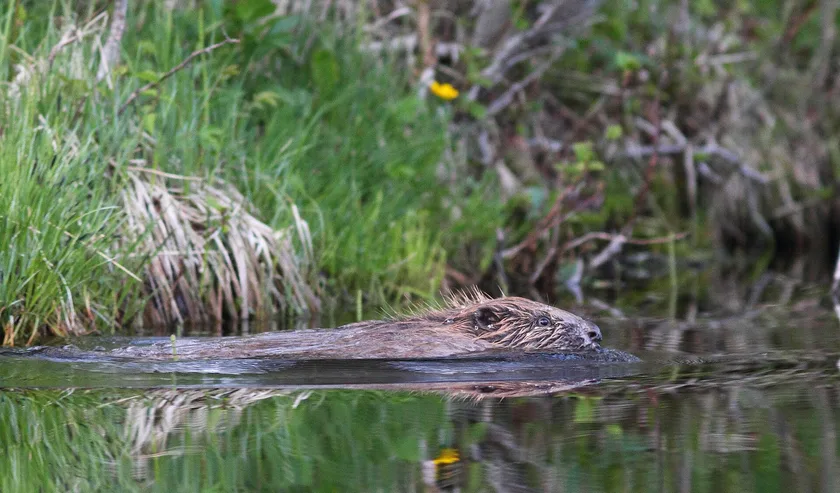 Science
A Hatchmere study found a beaver enclosure held water through a drought
University of Liverpool researchers watched the Cheshire enclosure stay wet in July 2022 while the surrounding peat risked drying out. A pair that arrived in 2020 has since had seven kits. The paper is about that fenced site, not a new wild release.
Verified · BBC News