A pygmy marmoset and a black howler were born at Wilhelma
Südwest Presse reported two births in the Stuttgart zoo's Amazon house. The zoo said the howler arrived at the end of October and the marmoset shortly before.

Read the original
The reporting lives at Südwest Presse. Our summary is checked against it, and we link it on every story.
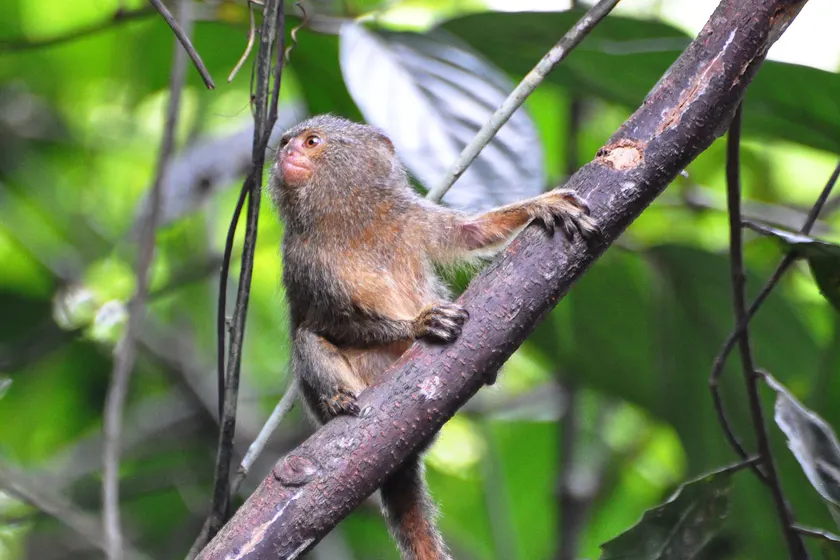
Two South American monkeys were born in Wilhelma's Amazon house in Stuttgart. Südwest Presse reported the births on November 9, 2026: a pygmy marmoset and a black howler. The zoo said the howler arrived at the end of October and the marmoset shortly before that. Curator Volker Grün said howlers are leaf-eaters, so keepers have to offer enough fresh leaves all year. Adult pygmy marmosets are about 15 centimetres long in the body, with a tail of about 20 centimetres, and a newborn is barely the size of a thumb.
The two families raise their young differently. A howler infant stays with its mother, who carries it through the branches. Among the marmosets, the father and older siblings also carry the baby and hand it to the mother to nurse. Howler infants are pale; only adult males grow the black coat the species is named for. Both species live in the Albert Schöchle Amazon House, opened in 2000. The news is these two births. It is not a count of either species in the wild.
For the classroom
Südwest Presse reported on November 9, 2026, that two monkeys were born at Wilhelma, the zoo in Stuttgart. One is a pygmy marmoset and the other is a black howler. The zoo said the howler was born at the end of October and the marmoset a little earlier. A grown pygmy marmoset's body is about 15 centimetres long, and a newborn is about the size of a thumb. The father and older siblings help carry that baby. A young black howler is pale. Only adult males turn black. The mother carries that baby. The news is these two births, not a count of wild monkeys.
- Why might a whole marmoset family carry the baby, not only the mother?
- How can you tell a young black howler from an adult male?
For a teacher to read with a class. Print the story of the day · Morning announcements · All classroom stories · This week's Good News Friday pack
Stuttgart, GermanyZoosWildlife conservationGood news on November 9
More good news
Other stories in the same neighborhood of kindness.
 Animals
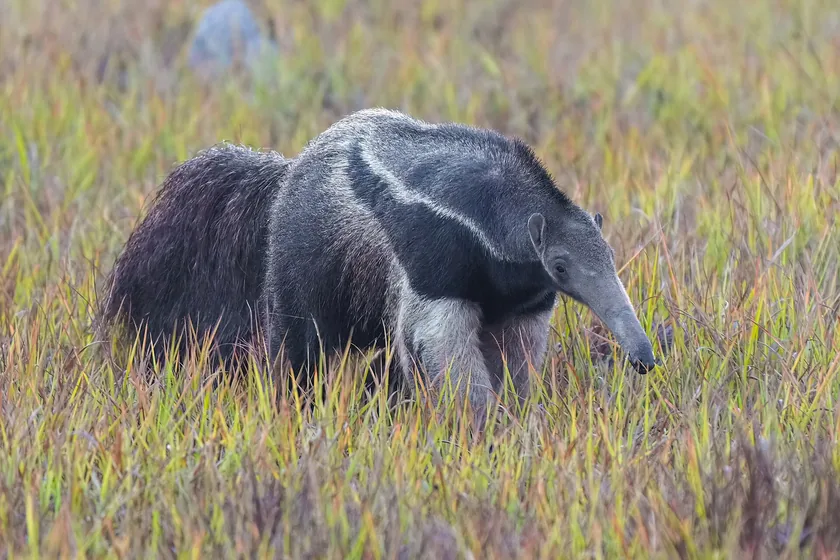
Bonita the giant anteater had a pup at Dortmund Zoo
The zoo's 66th giant anteater was born a few days before a November 3 report. The pup has no name yet, and the house where Bonita is caring for it is closed to visitors.
Verified · Stern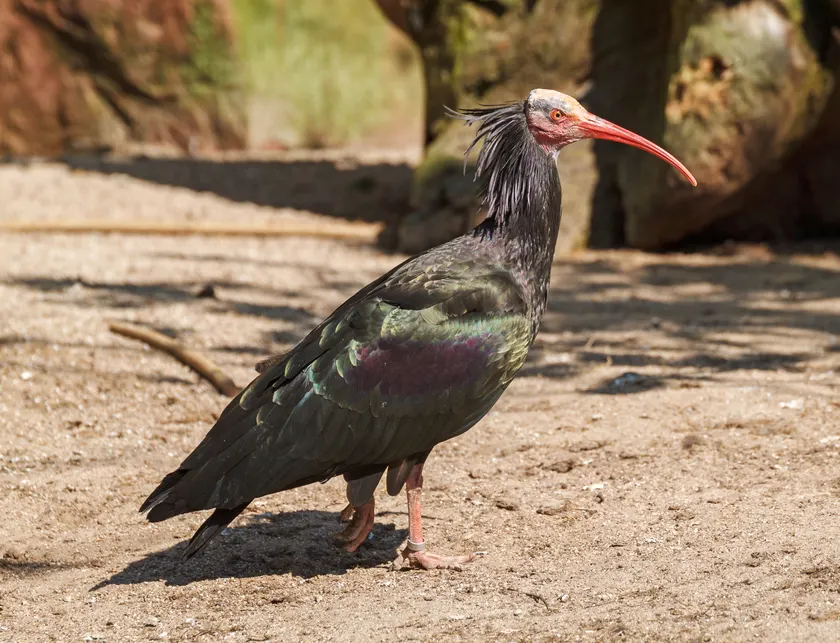 Animals
Fourteen young bald ibises rode from Heidelberg toward a Spanish release
Ten birds from Heidelberg Zoo and four from Straubing are in a release aviary at Jerez. The pen is due to open in February 2027. They are not free yet.
Verified · Rhein-Neckar-Zeitung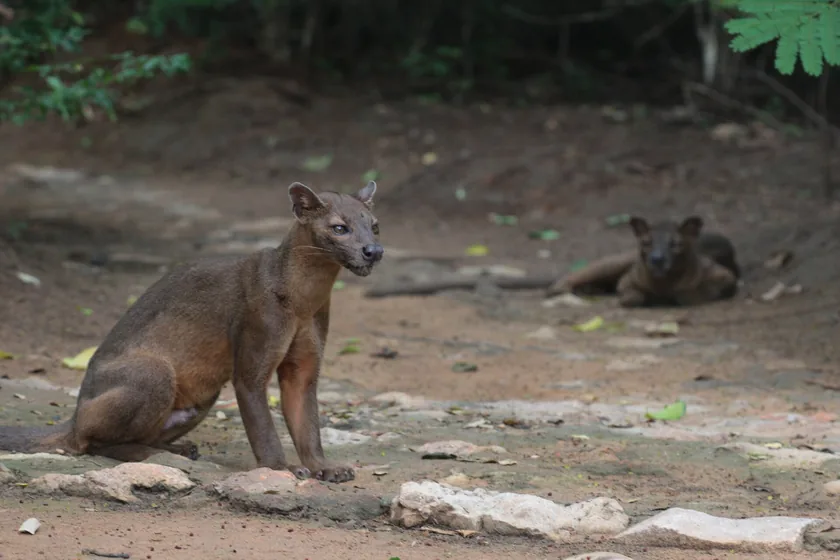 Animals
Four fossa cubs at Duisburg Zoo are out of the nest box
Three males and one female were born in June to Beroketa and Isaloh. Stern reported that visitors can see them now, and the zoo asked people to stay quiet.
Verified · Stern