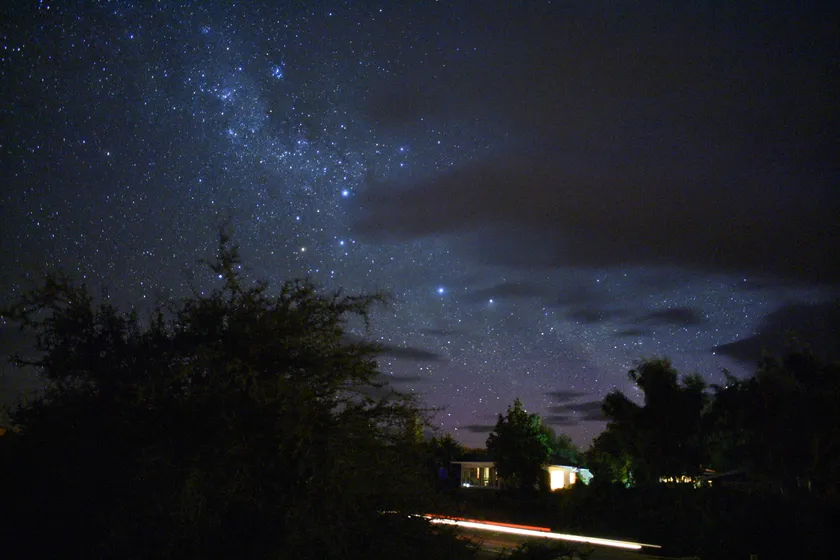
Fiordland is now the southern hemisphere's largest dark sky park
RNZ reported that DarkSky International accredited the 12,607-square-kilometre national park, the world's third-largest international dark sky park, after years of light checks and community work.

Read the original
The reporting lives at RNZ. Our summary is checked against it, and we link it on every story.
Fiordland National Park is now the largest International Dark Sky Park in the southern hemisphere. RNZ reported the accreditation on November 12, 2026. The park covers 12,607 square kilometres, which also makes it the world's third-largest park of this kind, and close to five percent of New Zealand's land. It is the second recognised dark sky place in Southland. Stewart Island Rakiura was accredited in 2019.
DarkSky International's places manager, Amber Harrison, said the scale of the darkness is part of what makes the landscape exceptional, and that protecting the night sky extends the protection already given to the land. She also pointed to Māori knowledge of the sky, including navigation, seasonal cycles, and Matariki. Great South said the title followed years of work with the Department of Conservation: monitoring sky quality, checking and improving public lighting, and teaching visitors why natural darkness matters. Te Anau operations manager John Lucas said many native species rely on natural light cycles, and that lighting can stay where safety needs it. Biodiversity ranger Glen Greaves said the Milky Way is so bright there that meters can register it as light. The work is not finished. Monitoring, light management, and interpretation continue. The news is the accreditation. It does not switch off every light in the region.
For the classroom
RNZ reported on November 12, 2026, that Fiordland National Park in New Zealand is now an International Dark Sky Park. It covers 12,607 square kilometres. That makes it the largest dark sky park in the southern hemisphere and the third-largest in the world. DarkSky International gave the accreditation because the park is still very dark and people promised to keep it that way. Stewart Island received a similar honour in 2019. The work included measuring the sky and improving public lights. Māori knowledge of the stars, including Matariki, is part of the story. Many native animals need natural night and day. Lights needed for safety can stay.
- Why would a park that already protects land and water also protect the night sky?
- What is one light you could dim at home so more stars show?
For a teacher to read with a class. Print the story of the day · Morning announcements · All classroom stories · This week's Good News Friday pack
Te Anau, New ZealandParksWildlife conservationIndigenous communitiesGood news on November 12
More good news
Other stories in the same neighborhood of kindness.
 Science
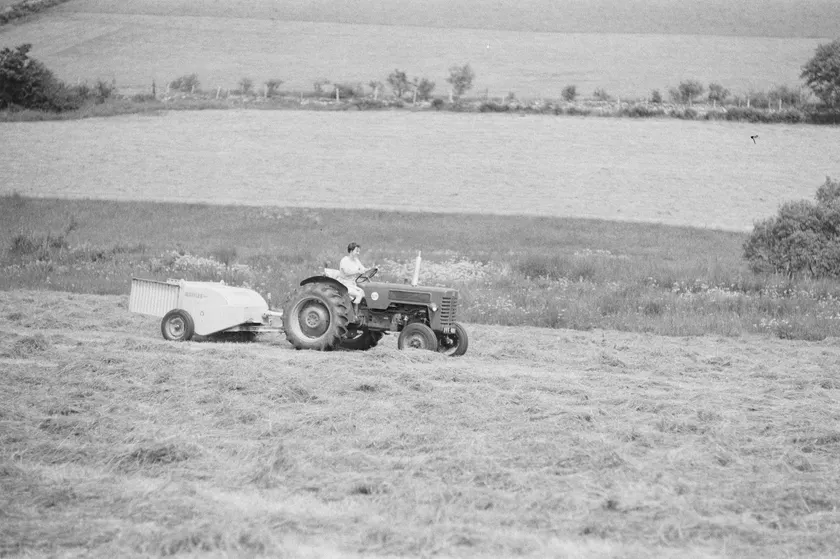
Dunedin students built a light that keeps birds out of tractors
Four Year 13 students at St Hilda's Collegiate have 25 strobe devices out with Otago farmers. Their company won the region's Young Enterprise prize and is headed to the national final.
Verified · RNZ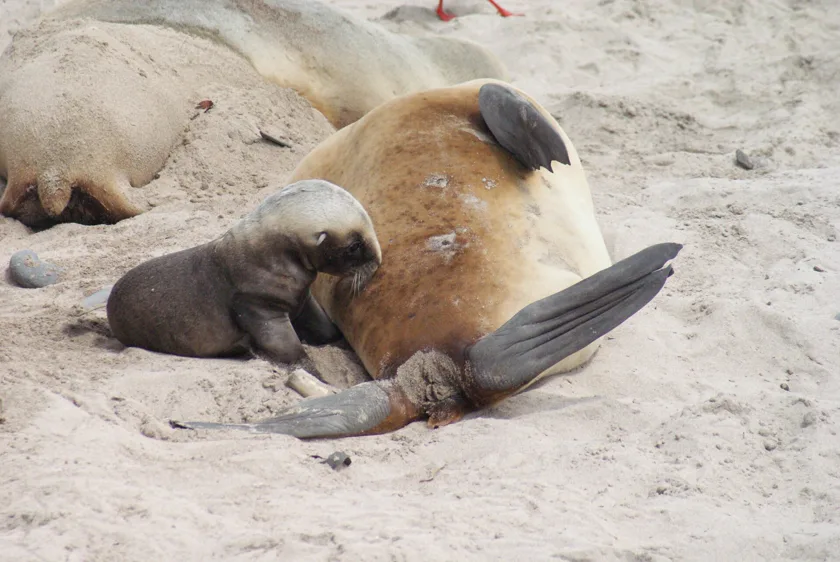 Animals
A Dunedin plant nursery has become a maternity ward for sea lions
RNZ reported that pregnant New Zealand sea lions are climbing the fences at a Smaills Beach nursery, and that one named Tektite gave birth behind a volunteer shelter.
Verified · RNZ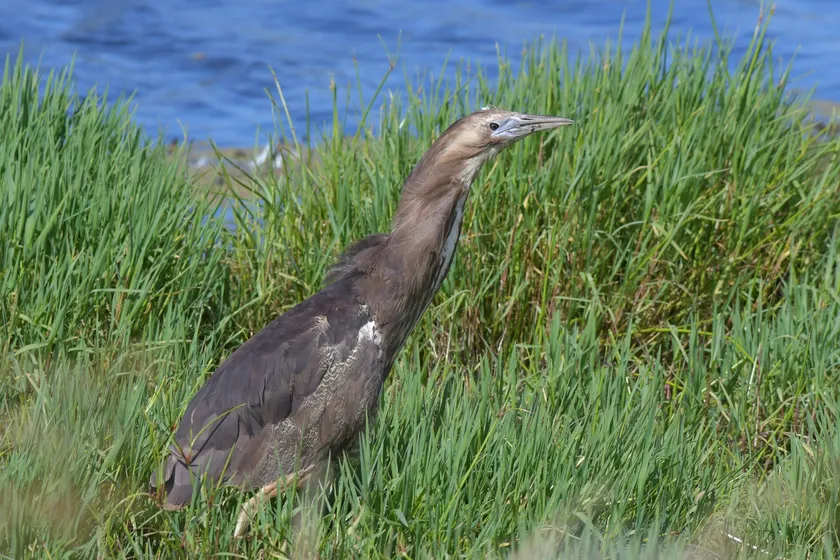 Animals
A heat-sensing drone picked a bittern out of a Canterbury wetland
Discover Wildlife reported that a Department of Conservation staffer watched a thermal drone find a matuku-hūrepo, a bird so camouflaged that about 50 remain in Canterbury.
Verified · Discover Wildlife