Totoya students learned their island from elders on a sailing canoe
RNZ reported that 45 children from Totoya's four villages wove food baskets, built a model of the island, and sailed with the last surviving local voyager.

Read the original
The reporting lives at RNZ. Our summary is checked against it, and we link it on every story.
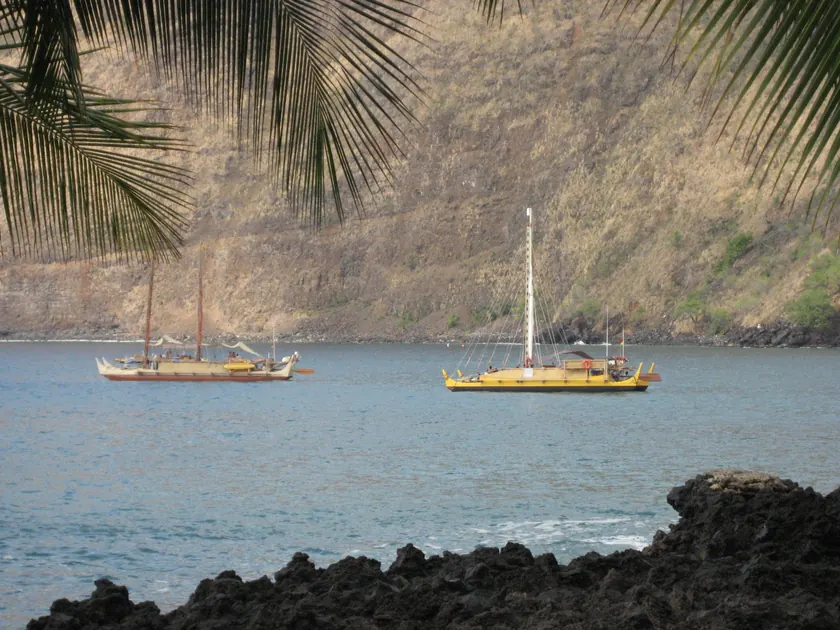
Children on the remote Fijian island of Totoya spent three days learning their own place from the people who know it. RNZ reported on November 26, 2026, that 45 students from the island's four villages joined a pilot run by Conservation International. They wove food baskets, built a model of the island, and sailed on Uto ni Yalo, a double-hulled voyaging canoe.
Regional project manager Catherina Bolinga said one elder on board was the last surviving sailor from Totoya. He named the parts of the canoe for the children and taught them to weave baskets, which they filled with food and carried aboard. Elders told her it was the first time they had taught that weaving to the younger generation, because they usually did it themselves.
Totoya District School head teacher Jone Draunidalo said the pilot changed how teachers plan to work. He gave measuring the playground, for area and perimeter, as the kind of lesson that can leave the classroom, and said the school would start using what it learned next year. Conservation International Fiji director Semisi Meo said knowledge survives only when it is practiced, and that island communities are losing both nature and skills as people move away.
The approach follows Guardians, a Samoa project from 2018 that used a voyaging canoe as a classroom. Those Samoan lessons are now supplementary material in the primary curriculum. The same idea has been piloted on Moala in Fiji and on Mauke, Mangaia, and Atiu in the Cook Islands, with support from New Zealand's Ministry of Foreign Affairs and Trade and the Global Environment Facility. Those funded projects end in the middle of next year. Matuku, the last of three Fijian pilot islands, is due to host the programme early next year, and Fiji's education ministry is expected to help turn the lessons into modules. The news is the Totoya pilot. It is not yet a new national curriculum.
For the classroom
RNZ reported on November 26, 2026, that children on Totoya, a remote island in Fiji, learned from elders as well as from school. Forty-five students from the island's four villages wove food baskets, built a model of their island, and sailed on a double-hulled canoe called Uto ni Yalo. One elder was the last surviving sailor from Totoya. He named the parts of the canoe and taught the children to weave. Elders said they usually did that weaving themselves. The head teacher said lessons can also happen outside, such as measuring the playground. The pilot lasted three days. Using it in more Fiji schools is still ahead.
- What can a student learn on a boat that is hard to learn from a desk?
- Who in your community knows how to make something that your class could ask them to teach?
For a teacher to read with a class. Print the story of the day · Morning announcements · All classroom stories · This week's Good News Friday pack
Totoya, FijiStudentsKidsIndigenous communitiesSchoolsGood news on November 26
More good news
Other stories in the same neighborhood of kindness.
 Community
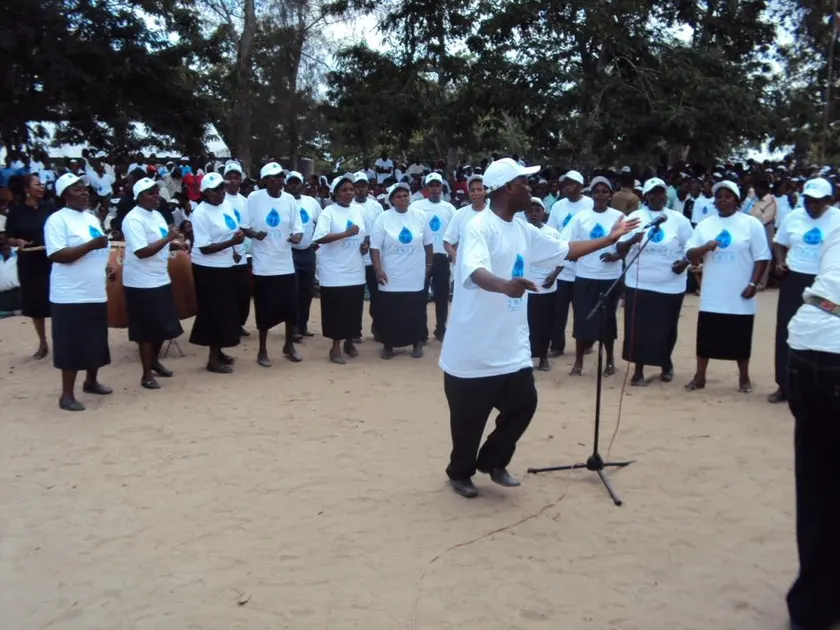
507 singers set a beach-choir record at Natadola
Fiji Sun reported that local singers, airline staff, and rugby players performed together on October 17. World Record Certification counted it as the largest beach choir.
Verified · Fiji Sun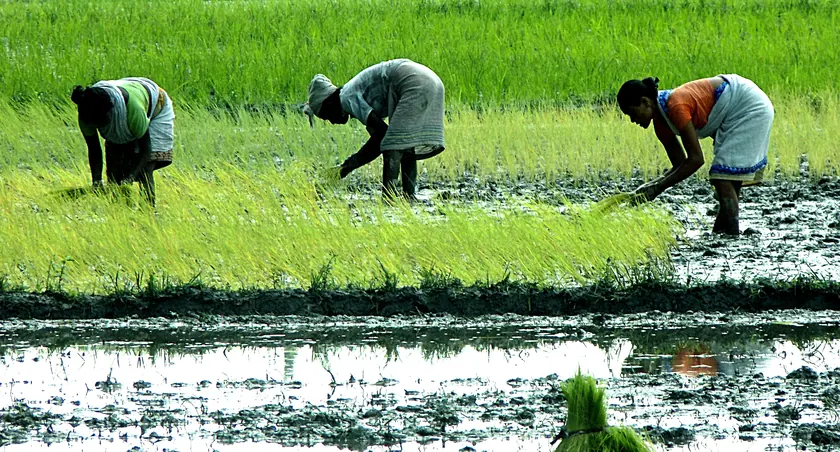 Community
Women in Ramni are growing the herbs their meadows were losing
Mongabay reported that high-altitude farmers in Uttarakhand now raise kutki and other medicinal plants on old wasteland, instead of digging them out of alpine meadows.
Verified · Mongabay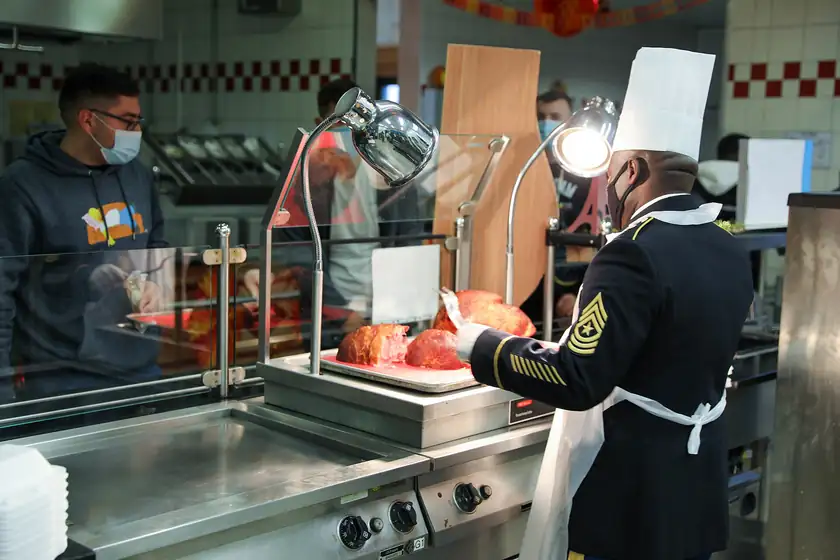 Community
A mile of cars and 600 turkeys: Pueblo's giveaway keeps growing
What began as one man offering a spare turkey on Facebook is now a tradition, with bikers and volunteers handing out 600 turkeys plus sides, up from 500 last year.
Verified · KOAA News5