Schönbrunn Zoo raised two geckos of a kind science has not named yet
Tiergarten Schönbrunn said the young, hatched in June and July, are the first breeding of a Namibian gecko that still lacks a scientific description. The parents arrived in 2023 after an airport confiscation.

Read the original
The reporting lives at Tiergarten Schönbrunn. Our summary is checked against it, and we link it on every story.
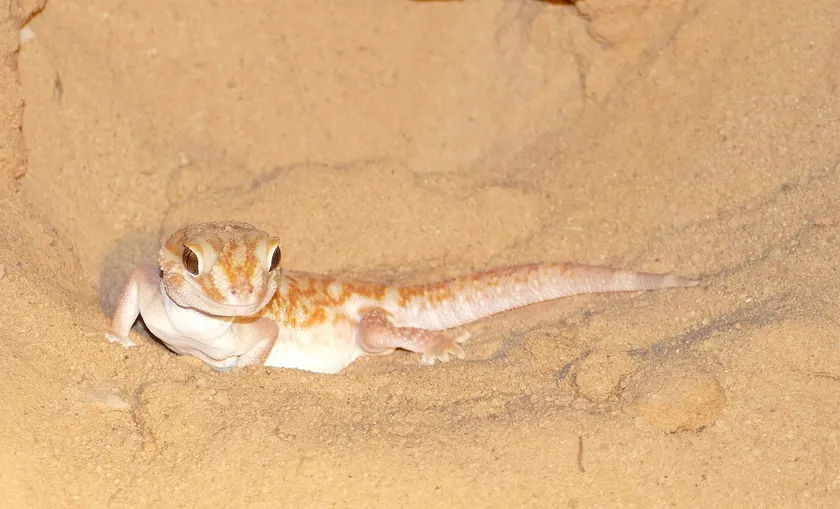
Tiergarten Schönbrunn has raised two young of a gecko that does not yet have a scientific name, the zoo said on November 19, 2026. The hatchlings, from the middle of June and the end of July, made it through the fragile first weeks and are developing well. Zoology director Anton Weissenbacher said the parents arrived in 2023 after a confiscation at Vienna Airport and came from Namibia. Their coloring did not match the sand geckos, Chondrodactylus angulifer, that the zoo already keeps from a separate confiscation.
Until more study is done, the zoo is calling the animals Chondrodactylus sp. The "sp." marks a species inside that genus that has not been formally described. Little is published about how they live. The breeding adds a practical piece: keepers now know they can reproduce in care, and what the young need at the start. Weissenbacher said that knowledge is a base for keeping the kind going. It is zoo husbandry, not a restored wild population.
Visitors can look for them in the conservation house. The reptiles usually spend the day in a burrow they dig themselves. Short, stubby toes are the trait that lets them work the sand, and the same toes set them and the sand geckos apart from other geckos. A daytime visit may show only the enclosure until an animal comes up.
For the classroom
Schönbrunn Zoo in Vienna said on November 19, 2026, that two young geckos are growing well. They hatched in mid-June and at the end of July. Their parents came from Namibia in 2023, after officials took them at the airport. Keepers saw that these geckos are colored differently from the sand geckos already at the zoo. This kind has no full scientific name yet. It is called Chondrodactylus sp., a species still being described. Short, stubby toes help them dig. By day they usually stay in a burrow, so visitors may have to wait. These babies are in the zoo, not a count of wild geckos.
- Why might a gecko with stubby toes be good at digging?
- What would a visitor need to do to have a chance of seeing these geckos?
For a teacher to read with a class. Print the story of the day · Morning announcements · All classroom stories · This week's Good News Friday pack
Vienna, AustriaZoosWildlife conservationGood news on November 19
More good news
Other stories in the same neighborhood of kindness.
 Animals
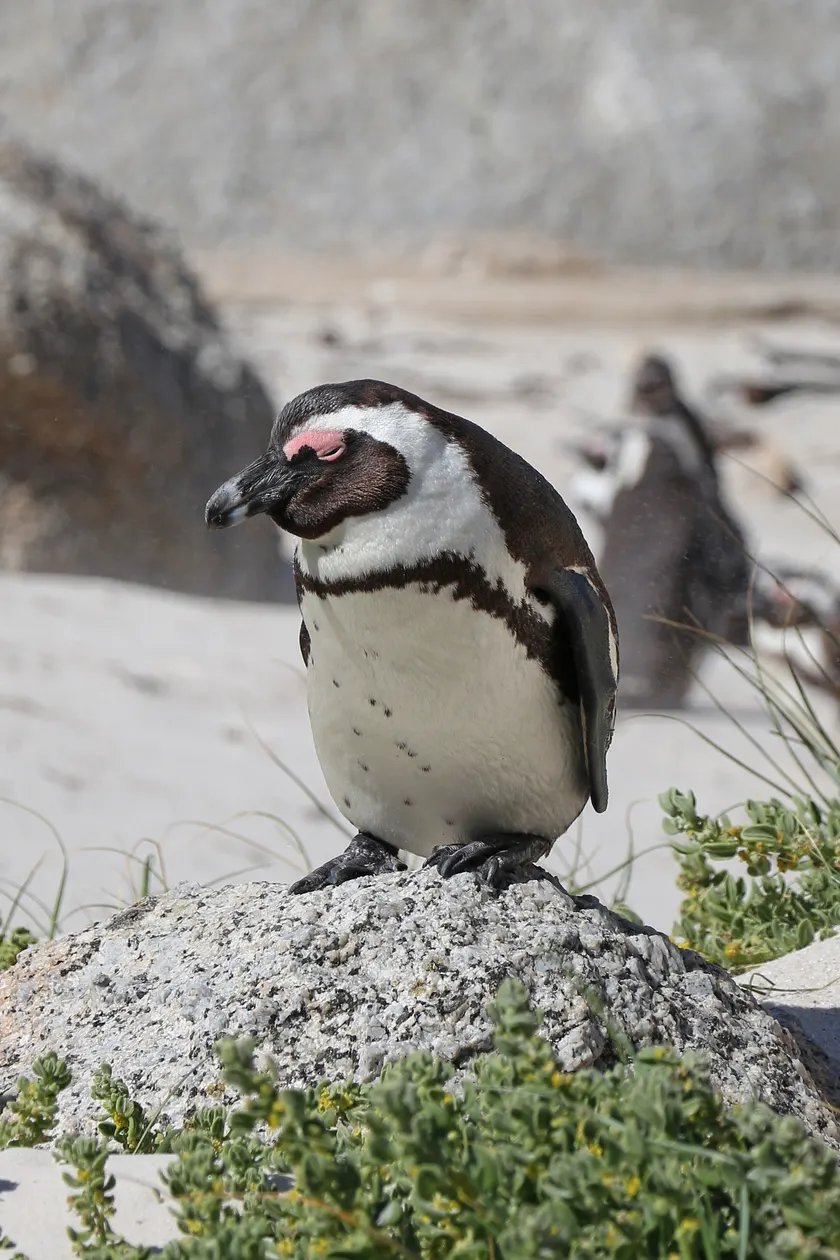
Salzburg Zoo is raising an African penguin chick from its own first generation
SALZBURG24 reported that the unnamed female hatched on August 31 to Ona and Lesedi, who were themselves hatched at the zoo. Sponsors are still being sought.
Verified · SALZBURG24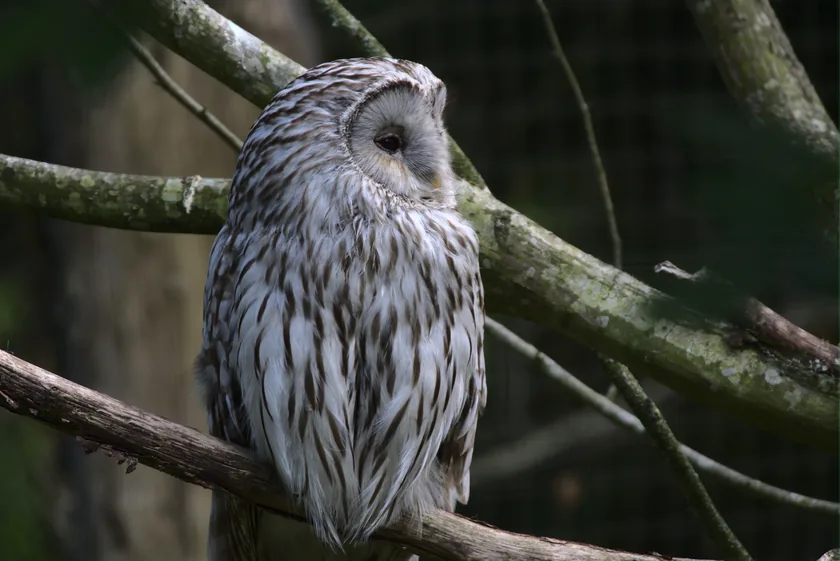 Animals
Reintroduced Ural owls are breeding again in Austria
Captive-bred owls released since 2009 are nesting in the Wienerwald, and a related project in Bavaria has now recorded wild breeding too. A 2021 count put Austria at about 45 pairs.
Verified · BirdGuides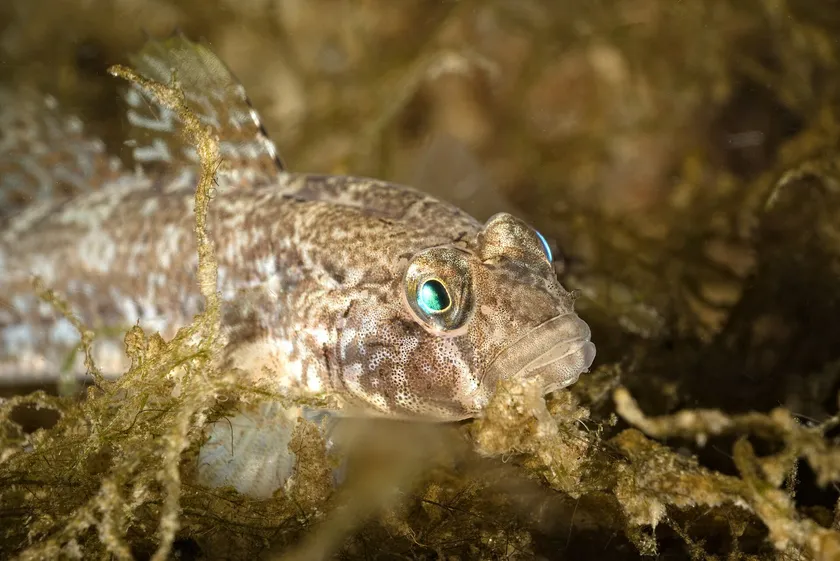 Science
Black gobies in the northern Adriatic are larger than their ancient kin
A University of Vienna team compared ear stones from the last 8,000 years with fish living there now. Modern black gobies grow faster, and the researchers say warmer water is only part of the reason.
Verified · Phys.org