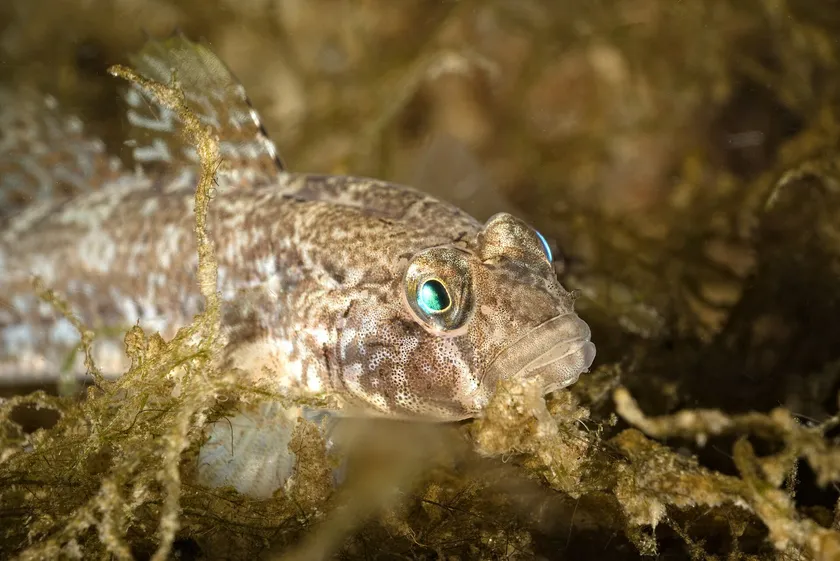
Black gobies in the northern Adriatic are larger than their ancient kin
A University of Vienna team compared ear stones from the last 8,000 years with fish living there now. Modern black gobies grow faster, and the researchers say warmer water is only part of the reason.

Read the original
The reporting lives at Phys.org. Our summary is checked against it, and we link it on every story.
Black gobies in the northern Adriatic Sea grow faster and reach larger sizes than the same species did over the past 8,000 years, Phys.org reported on November 19, 2026. Paleontologists at the University of Vienna compared fossil ear stones, called otoliths, from sediment cores with otoliths from gobies living there now. The work is published in Proceedings of the Royal Society B. Otoliths add rings as a fish grows, a little like a tree.
The paper's measurements put the median length of modern fish at 76.8 millimetres, against 46.7 millimetres in the Middle Holocene and 54.2 in the Late Holocene. Modern fish were also about 65 percent larger than gobies from the Holocene Climatic Optimum, a warmer stretch roughly 8,000 to 5,500 years ago. First author Isabella Leonhard said warmer water is only a small part of the story. Larger fish have declined under environmental change and fishing, and a small generalist may be facing fewer predators, less competition, or more food.
Department head Martin Zuschin said inconspicuous species show how a food web is changing, not only the fish that end up on a plate. The university's release says the cause of the recent growth cannot yet be pinned down, and it is unclear whether the trend will last. The finding is a long baseline for one non-commercial fish. It is not a claim that the Adriatic is getting healthier overall.
Vienna, AustriaSTEMWildlife conservationGood news on November 19
More good news
Other stories in the same neighborhood of kindness.
 Animals
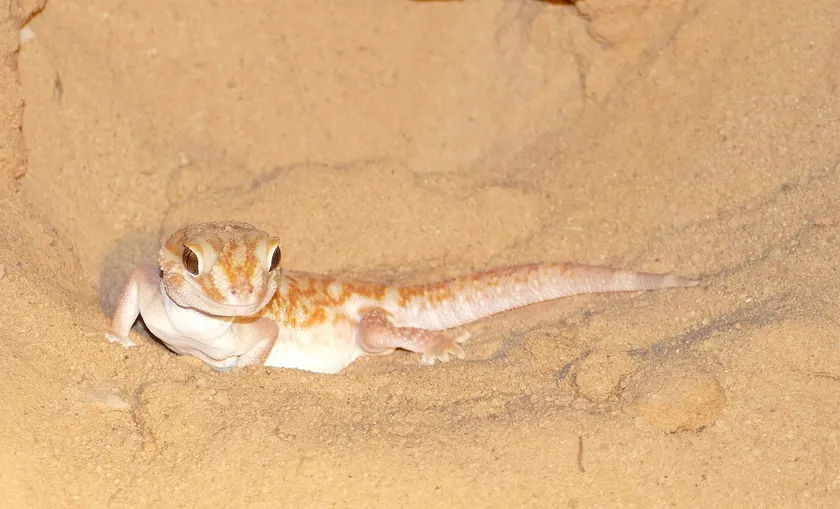
Schönbrunn Zoo raised two geckos of a kind science has not named yet
Tiergarten Schönbrunn said the young, hatched in June and July, are the first breeding of a Namibian gecko that still lacks a scientific description. The parents arrived in 2023 after an airport confiscation.
Verified · Tiergarten Schönbrunn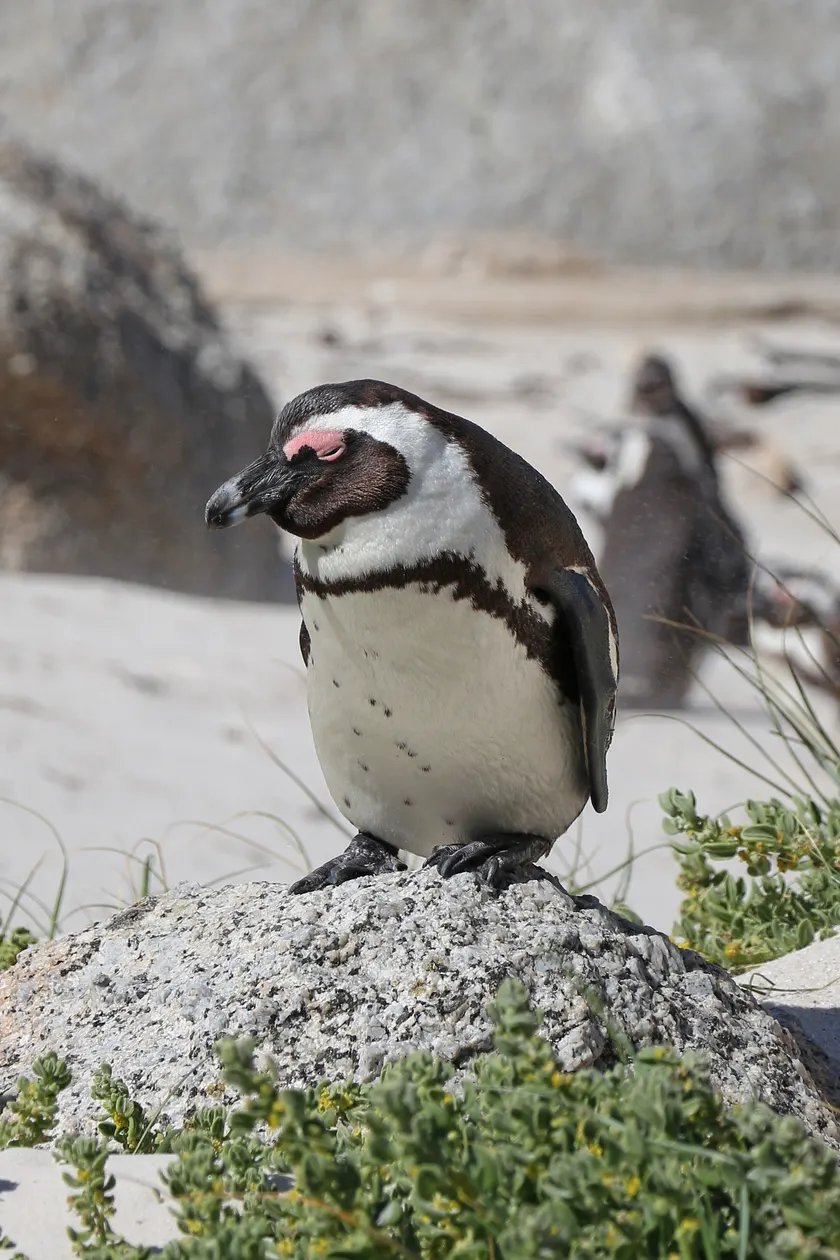 Animals
Salzburg Zoo is raising an African penguin chick from its own first generation
SALZBURG24 reported that the unnamed female hatched on August 31 to Ona and Lesedi, who were themselves hatched at the zoo. Sponsors are still being sought.
Verified · SALZBURG24 Community
An Austrian supermarket is testing apples almost nobody sells anymore
Spar and Frutura picked two 19th-century varieties from an experimental orchard in Styria for a first tasting in Vienna.
Verified · The Guardian