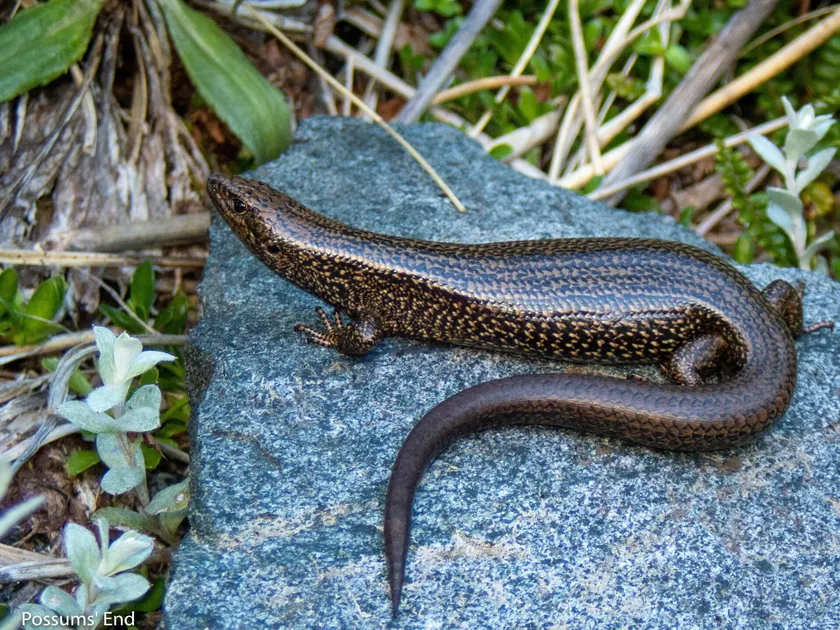
Five tiny awakōpaka skinks born at Auckland Zoo are growing
Auckland Zoo said two more births brought it to 14 of the alpine lizards, and that five young from three females have survived. Only about 20 have ever been recorded in the wild. Pairing the adults to breed is a plan, not a result yet.

Read the original
The reporting lives at Auckland Zoo. Our summary is checked against it, and we link it on every story.
Five young awakōpaka skinks born at Auckland Zoo are alive and growing, in what the zoo says is the first time the species has reproduced outside the wild. The zoo reported on October 20, 2026, that two further births by females brought in from Fiordland left it with 14 of the lizards: five juveniles and nine adults. Nine births have happened at the zoo since April 2025. From three females, five offspring have survived. At birth they weighed 0.32 to 0.42 grams. The young are born able to run and hide.
Awakōpaka were described in 2014. The zoo said only 20 individuals have been recorded, and it called the species nationally critical. The wild site is the Homer Saddle in Fiordland, a field of shifting boulders. The zoo is keeping the animals with the Department of Conservation and Ngāi Tahu. Ectotherm curator Don McFarlane said mice in beech-mast years are the pressure pushing the lizard toward extinction, which is why females were brought in. Lead keeper Sonja Murray said the first filmed birth, from the first salvaged female, was the first ever recorded.
McFarlane said the zoo will soon try to pair adult males and females and plans DNA testing with UNITEC to see who is related before those pairings are chosen. The sex of the juveniles is not confirmed yet. Those steps are ahead. The checked result is the births and the five surviving young in a climate-controlled room, not a larger population on the mountain.
For the classroom
Auckland Zoo said on October 20, 2026, that it is caring for 14 awakōpaka skinks, a lizard from the steep rocks of Fiordland. The species was discovered in 2014, and the zoo said only 20 have been recorded in the wild. Females brought from Homer Saddle have given birth at the zoo, the first births recorded outside the wild. Five young from three mothers are alive and growing. Each weighed less than half a gram at birth. Plans to pair the adults are still plans. The news is these five young skinks.
- Why would a lizard this small be hard to find on a mountain?
- What is the difference between a birth at the zoo and a skink still on the mountain?
- Why weigh a baby animal that is only a fraction of a gram?
For a teacher to read with a class. Print the story of the day · Morning announcements · All classroom stories · This week's Good News Friday pack
Auckland, New ZealandZoosWildlife conservationGood news on November 7
More good news
Other stories in the same neighborhood of kindness.
 Animals
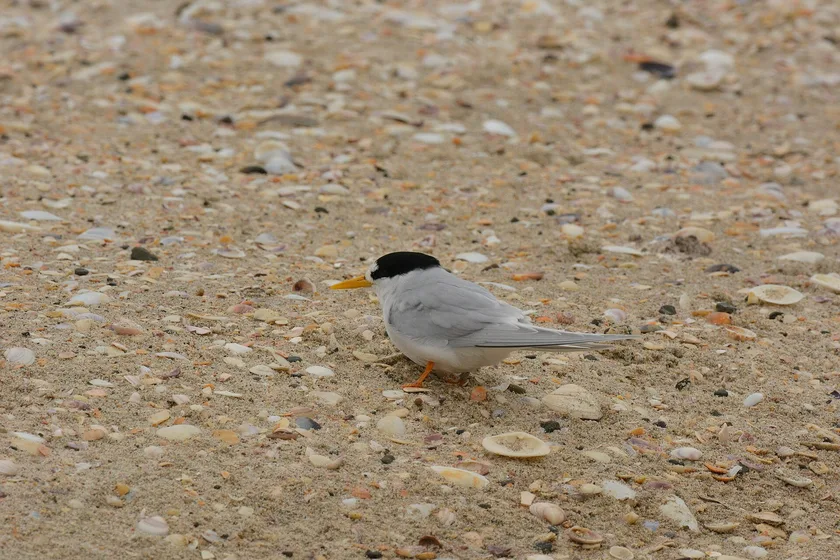
A young fairy tern pair is using a shell patch at Ruakākā
The Department of Conservation said the birds have been fishing in the estuary and landing on nesting shell prepared with Patuharakeke. No fairy tern nest has been confirmed there since 1989. The pair has not been shown to be breeding yet.
Verified · Department of Conservation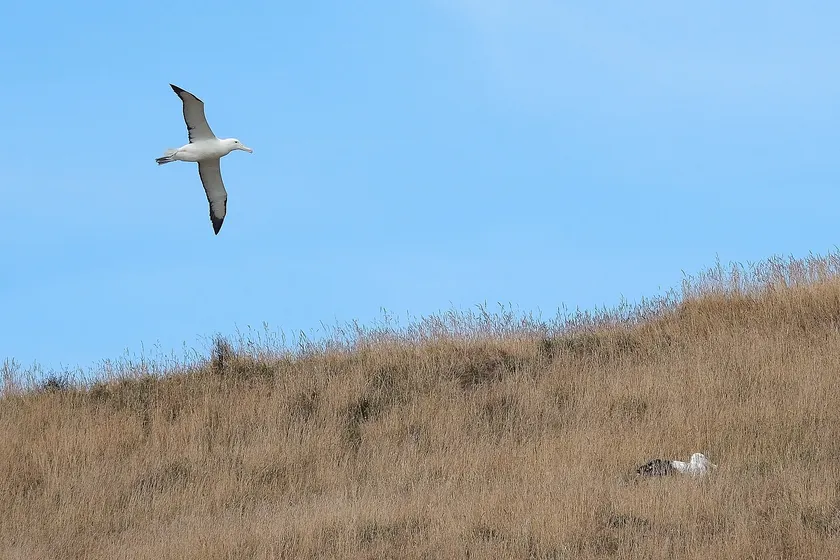 Animals
Viewers watched the first royal albatross egg of the season at Taiaroa Head
The bird known as L laid on a nest left from last season, in front of the colony camera. Four more eggs have followed, after a season that sent 38 chicks out to sea.
Verified · RNZ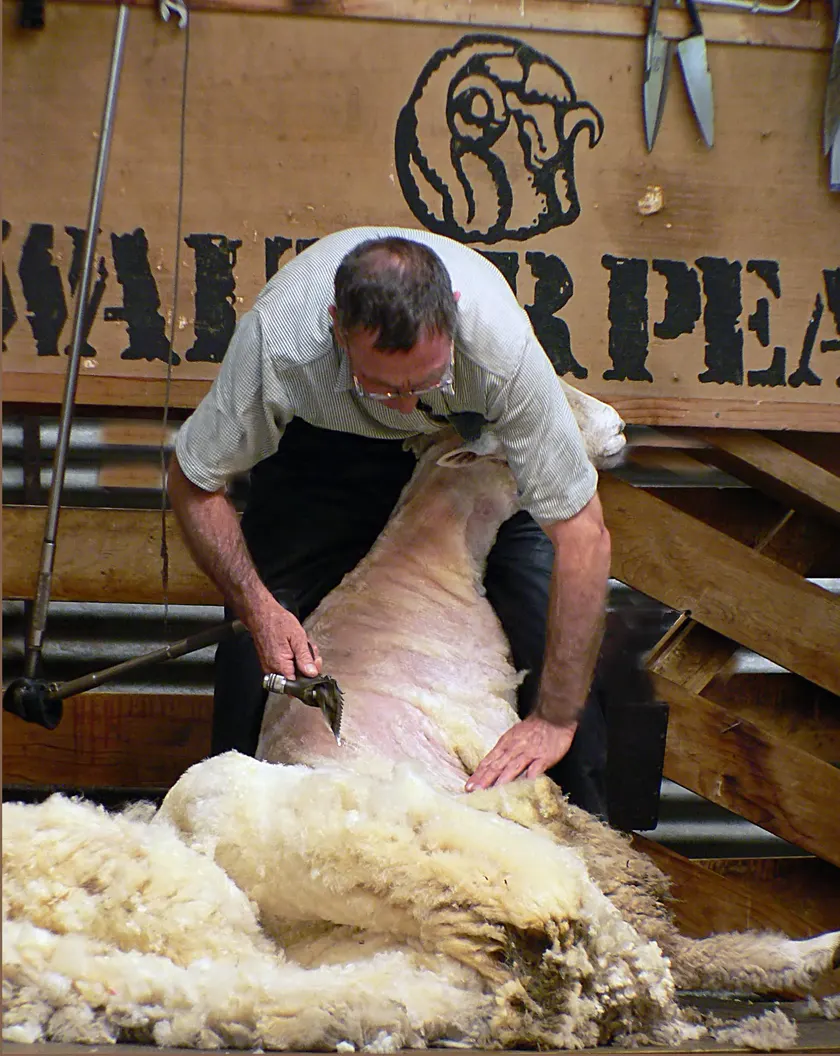 Animals
Two wool-heavy sheep on Te Mata Peak finally got a shear
A Napier SPCA team, a farmer, and three dogs caught the pair after earlier tries failed. An ex-shearer took the fleeces off, and the farmer is keeping them.
Verified · RNZ