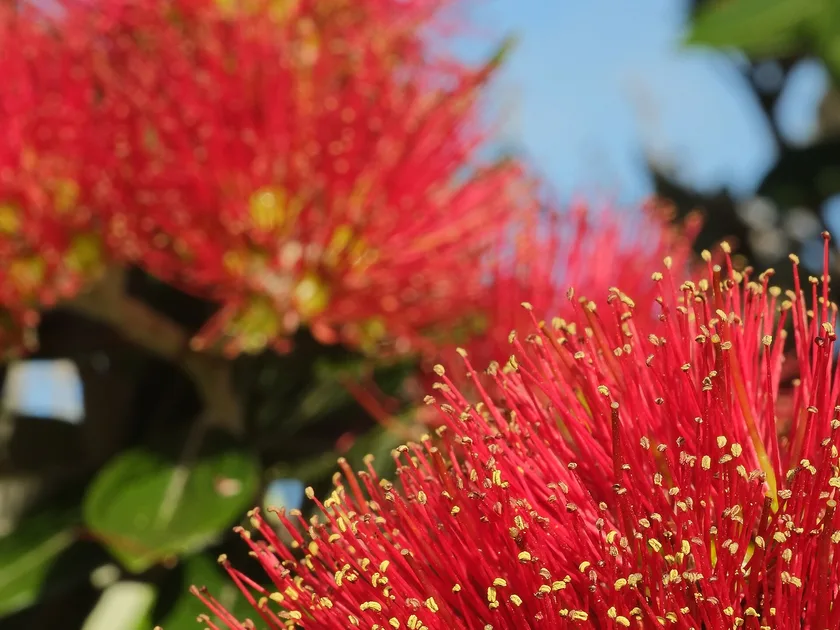
Pōhutukawa are opening red, gold, and pink along the New Zealand coast
RNZ reported that the Christmas trees are blooming, that at least 42 cultivated kinds exist, and that the wild red tree's natural range stops well short of the South Island.

Read the original
The reporting lives at RNZ. Our summary is checked against it, and we link it on every story.
The pōhutukawa are opening, and not all of them are the red people expect. RNZ reported on November 25, 2026, that Bruce Burns, an associate professor at the University of Auckland, walked through the variety as the Christmas trees started to bloom.
He said at least 42 cultivars are produced around the country for gardens. Besides the familiar wild tree, plantings include a Tahitian species, Metrosideros collina, common in Auckland gardens, and Metrosideros kermadecensis from the Kermadec Islands. The wild pōhutukawa's natural range runs only about as far south as a line from Gisborne to Taranaki. South of that, including Wellington and the South Island coast, the trees were carried by people and have naturalised. A golden form was found on Motiti Island around 1940 and has been planted since. White and pink trees turn up rarely. Wild trees around the Rotorua lakes are known for a pinker flower.
Flowering runs from late November into early February, but a single tree blooms for about two weeks. Burns said trees that flower early one year tend to flower early again, so the display is staggered, with a peak toward Christmas. He also said the tree has been taken to places such as California, Spain, and South Africa, where it can crowd out local plants. New Zealanders complain about weeds brought in from elsewhere. This is a case of the traffic going the other way. The bloom at home is the news. It is not a claim that the tree is harmless everywhere it was planted.
For the classroom
RNZ reported on November 25, 2026, that New Zealand's Christmas trees are blooming. They are called pōhutukawa. The wild red ones grow naturally only in the North Island, down to a line from about Gisborne to Taranaki. Trees farther south were planted by people. Bruce Burns, at the University of Auckland, said there are at least 42 kinds grown for gardens. A yellow one was found on Motiti Island around 1940. A few are white, and some wild trees near the Rotorua lakes bloom pink. Each tree flowers for about two weeks, between late November and early February. In some other countries the same tree has become a problem plant.
- Why might a tree that is loved at home become a problem when people plant it somewhere else?
- What flower or tree tells you that a season has changed where you live?
For a teacher to read with a class. Print the story of the day · Morning announcements · All classroom stories · This week's Good News Friday pack
Auckland, New ZealandTreesWildlife conservationGood news on November 25
More good news
Other stories in the same neighborhood of kindness.
 Science
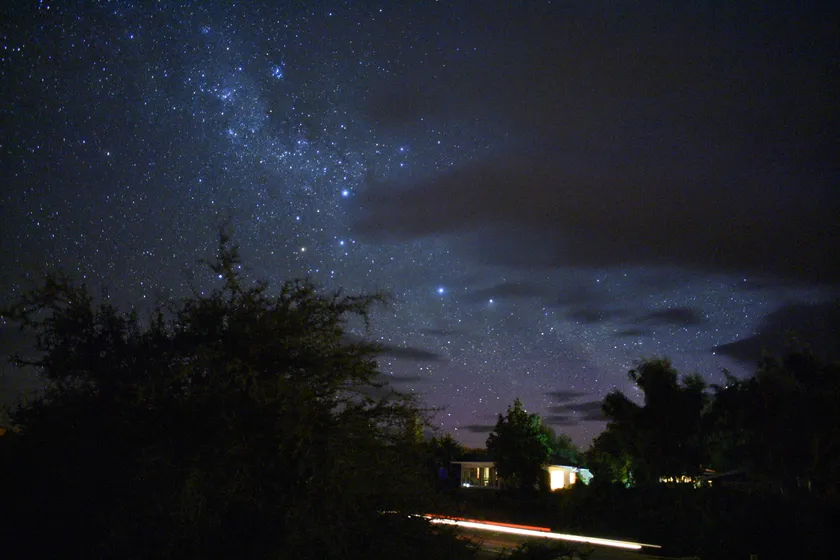
Fiordland is now the southern hemisphere's largest dark sky park
RNZ reported that DarkSky International accredited the 12,607-square-kilometre national park, the world's third-largest international dark sky park, after years of light checks and community work.
Verified · RNZ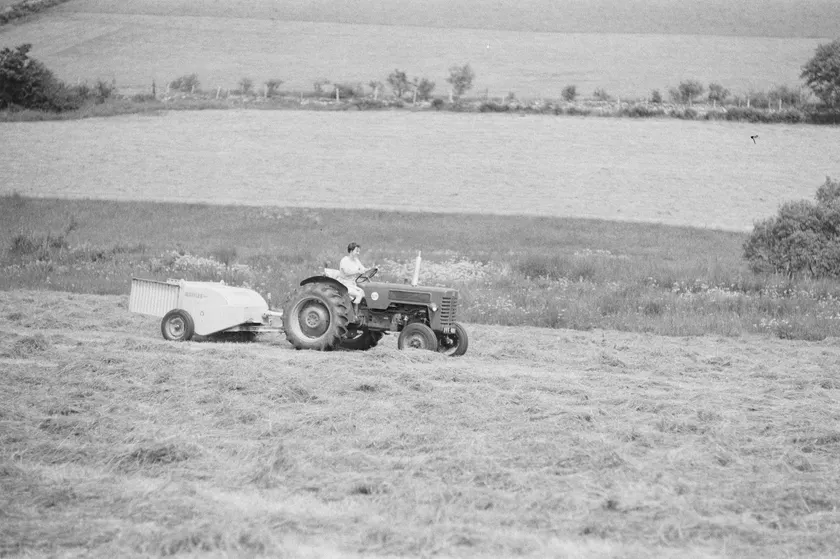 Science
Dunedin students built a light that keeps birds out of tractors
Four Year 13 students at St Hilda's Collegiate have 25 strobe devices out with Otago farmers. Their company won the region's Young Enterprise prize and is headed to the national final.
Verified · RNZ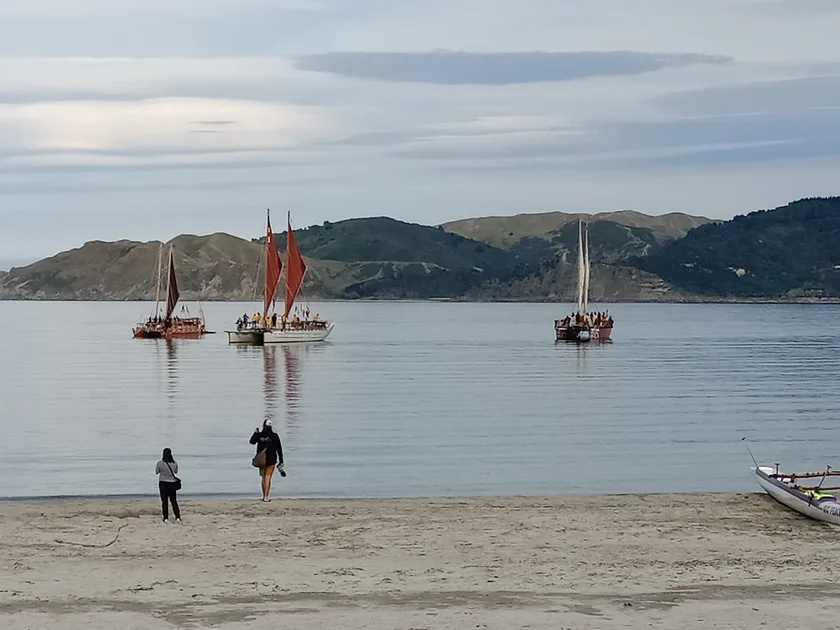 Community
Far North students are learning the ocean from voyaging canoes
RNZ reported that Te Hekenga Mai brought double-hulled canoes from Hawaii and Vanuatu to Aurere, where about 1,000 schoolchildren are expected to learn stars, knots, and wayfinding.
Verified · RNZ