A neglected Baltimore forest is now a home for birds and neighbors
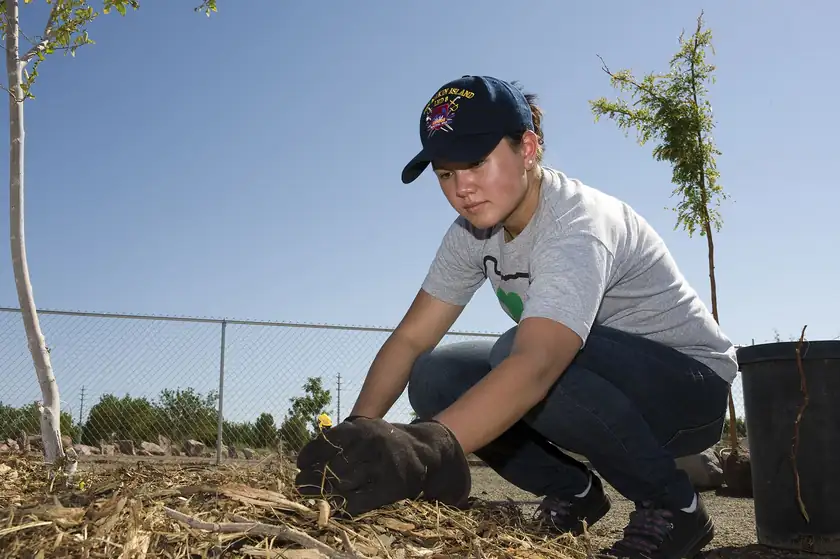
Audubon and Baltimore Recreation and Parks restored Lakeland Park's forest with nearly 500 trees and shrubs, more than 1,100 native plants, 2,000 pounds of trash removed, and more than 500 residents helping plant.

Read the original
The reporting lives at Audubon. Our summary is checked against it, and we link it on every story.
Audubon and Baltimore Recreation and Parks restored the forest at Lakeland Park, Audubon reported. The work put in nearly 500 trees and shrubs and more than 1,100 native plants, and it hauled out 2,000 pounds of trash. More than 500 residents helped plant. The forest had been neglected. Those plantings and that cleanup are what turned it back into a place for birds and for the people who live nearby.
For the classroom
A forest inside Lakeland Park in Baltimore had been neglected, and neighbors helped bring it back, Audubon reported. Audubon worked with Baltimore Recreation and Parks. They planted nearly 500 trees and shrubs and more than 1,100 native plants, the kinds that grew in the area before. They also carried out 2,000 pounds of trash. More than 500 residents helped with the planting. Native plants are ones that belong in that place. The forest is meant to be a home for birds and for the people who live nearby.
- Why do birds need particular plants, not just any green space?
- What can 500 people finish that a small crew could not?
- How is taking trash out of a forest part of planting it?
For a teacher to read with a class. Print the story of the day · Morning announcements · All classroom stories · This week's Good News Friday pack
Baltimore, MarylandTreesParksVolunteersGood news on November 12
More good news
Other stories in the same neighborhood of kindness.
 Health & Tech
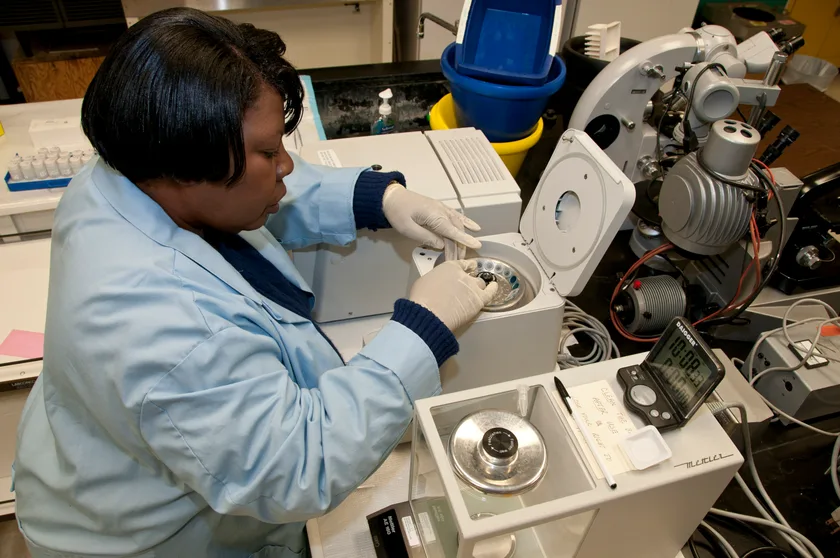
The FDA approved Lembaz, the first drug shown to help infantile-onset Niemann-Pick C patients live longer
The FDA approved Lembaz, a spinal injection every two weeks. Among 36 treated patients, median survival was 8.5 years versus 4.9 in matched controls. It carries a boxed warning for hearing loss.
Verified · U.S. Food and Drug Administration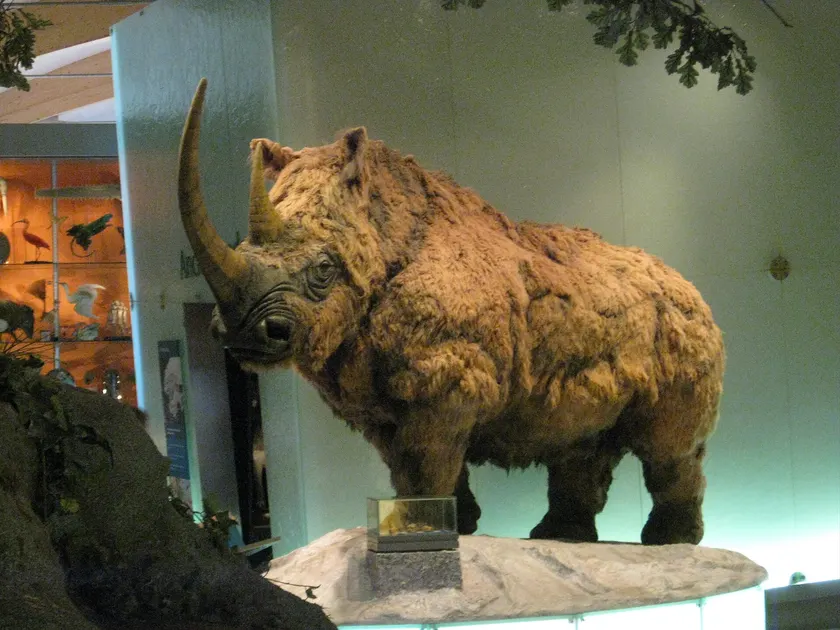 Science
A heavy bone from the Blackwater shore is likely a woolly rhino's
Natural History Museum curators told Paul Rowe the curved bone he picked up near Tollesbury fits a woolly rhino pelvis from roughly 30,000 to 60,000 years ago. The match is an expert look, not a finished lab test.
Verified · BBC News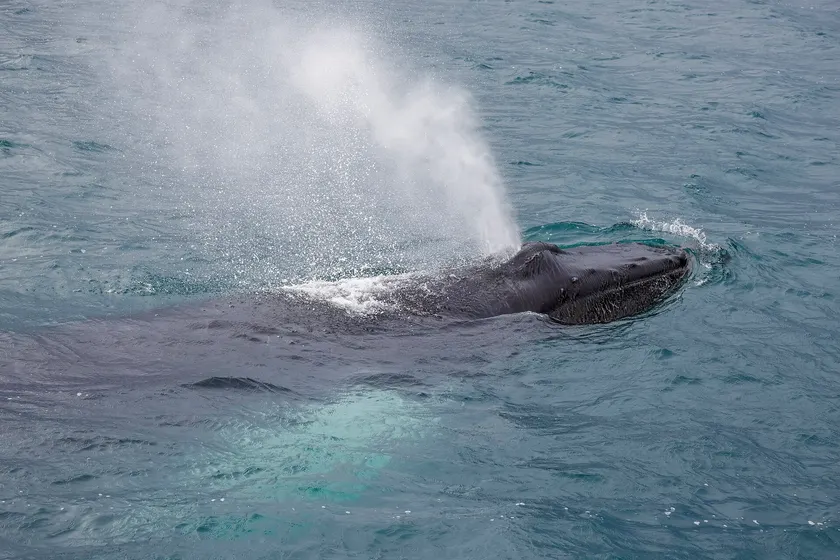 Science
Drones read humpback genomes from breath in Gitga'at territory
BBC News reported a University of St Andrews study that turned 58 drone-caught breath samples from 26 humpbacks into low-coverage genomes, without darting the whales.
Verified · BBC News