A heavy bone from the Blackwater shore is likely a woolly rhino's
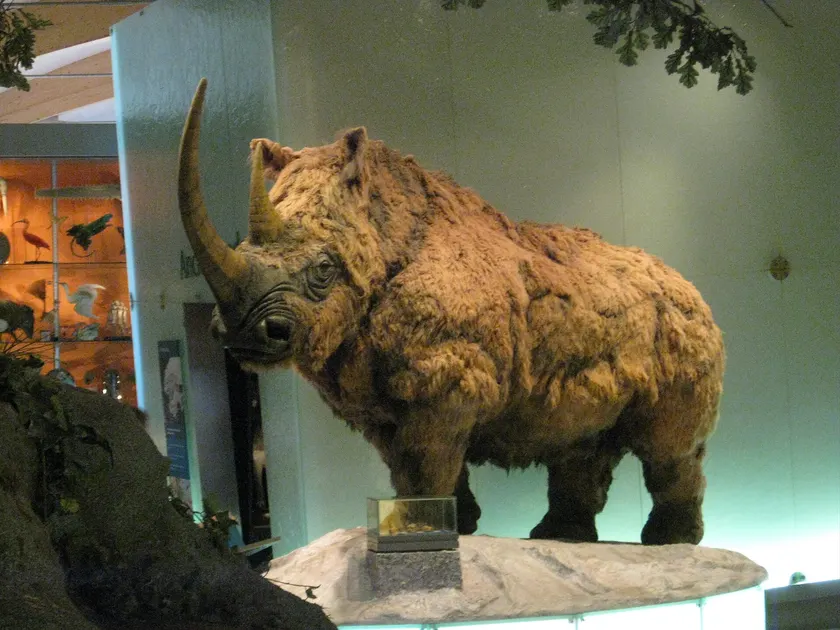
Natural History Museum curators told Paul Rowe the curved bone he picked up near Tollesbury fits a woolly rhino pelvis from roughly 30,000 to 60,000 years ago. The match is an expert look, not a finished lab test.

Read the original
The reporting lives at BBC News. Our summary is checked against it, and we link it on every story.
Museum curators believe a heavy curved bone picked up on the Blackwater shore near Tollesbury came from a woolly rhinoceros. BBC News reported the opinion on November 17, 2026. Paul Rowe, 63, found it in May while helping with a bird survey along the sea wall. At a geology event earlier this month, Neil Adams, curator of mammal fossils at the Natural History Museum, said the animal most likely lived between 30,000 and 60,000 years ago. The bone looked too small for a mammoth and too large for a bison. Roula Pappa, senior curator of fossil mammals, agreed after a first look that it is part of a pelvis.
Woolly rhinos died out when the climate warmed more than 10,000 years ago. Adults could reach about 3.5 metres long. Rowe said a find like this usually comes from a dig or a gravel pit, and that he would rather see the bone verified and displayed than keep it. Mark Curteis, former curator at Chelmsford Museum, called it interesting and unusual, and not a first: Ice Age mammal remains wash out of gravels along the Essex coast, including at Clacton, Holland-on-Sea, Walton-on-the-Naze, and Mersea. The identification is that expert reading. It is not yet a published lab result.
For the classroom
BBC News reported that Paul Rowe found a heavy curved bone along the River Blackwater near Tollesbury, in Essex, while helping with a bird survey in May. He took it to a geology event this month. Curators at the Natural History Museum in London think it is part of a woolly rhinoceros pelvis. They said the animal most likely lived 30,000 to 60,000 years ago. The bone seemed too small for a mammoth and too big for a bison. Rowe would like it checked and displayed. Other Ice Age bones have turned up on Essex beaches, so this is an unusual walk, not the county's first.
- Why did the curators compare the bone with a mammoth and a bison?
- What could a class learn from a bone that is tens of thousands of years old?
For a teacher to read with a class. Print the story of the day · Morning announcements · All classroom stories · This week's Good News Friday pack
Tollesbury, United KingdomArchaeologyRiversGood news on November 17
More good news
Other stories in the same neighborhood of kindness.
 Science
A weekly park visit lined up with stronger childhood social skills
BBC News reported that University of Exeter researchers, using 4,219 children in a long-running study, found better social-emotional scores among those taken to a park at least once a week.
Verified · BBC News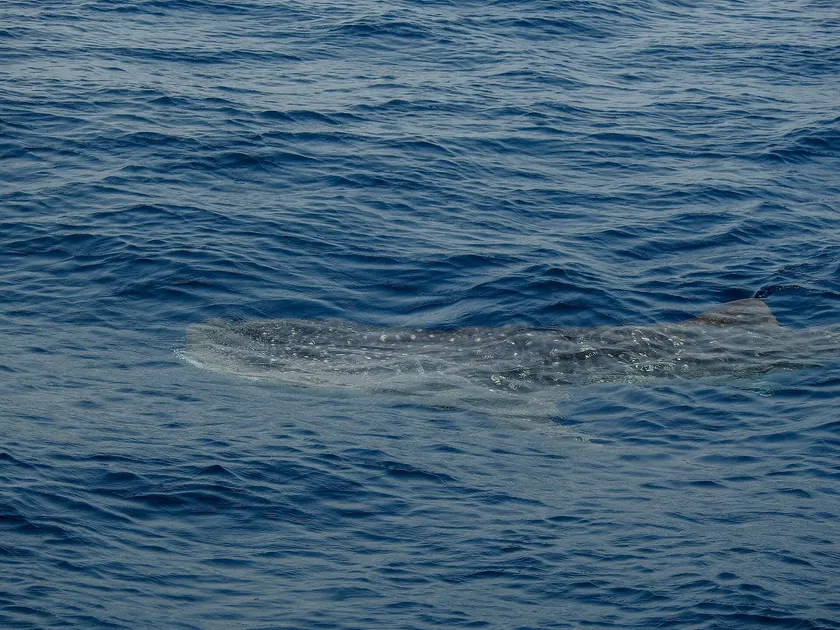 Science
A Southampton study found whale-shark detours would add little fuel
Researchers simulated eight shipping crossings and found that avoiding whale shark gathering sites, or slowing through them, raised fuel use by less than 1 percent on the routes they tested. Ships have not been reported as changing course.
Verified · Phys.org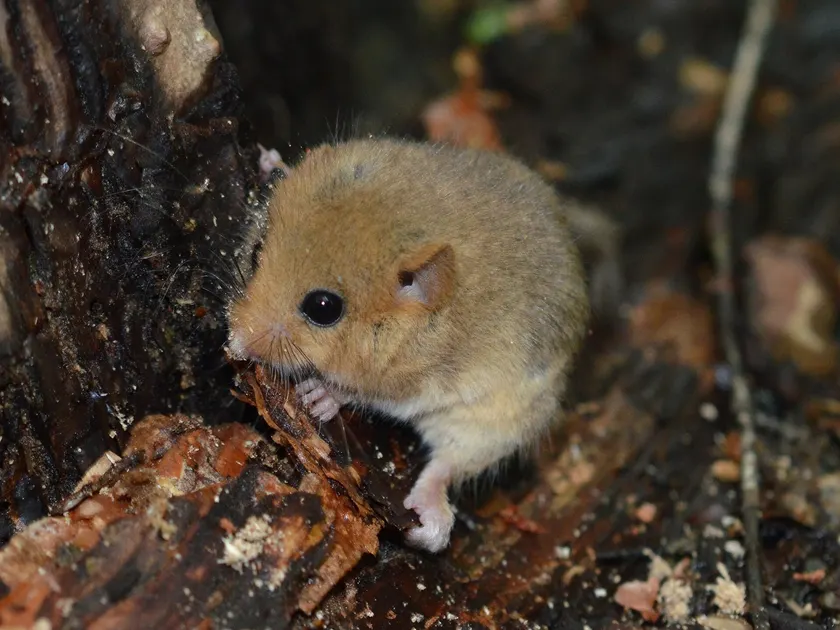 Science
Dormouse counts in England and Wales rose in a five-year window
People's Trust for Endangered Species said numbers increased by almost 10 percent from 2020 to 2025, with a wide margin of uncertainty. Since 2000 the population is still down nearly 60 percent.
Verified · BBC