Pará's new cacao is mostly growing on land cleared years ago
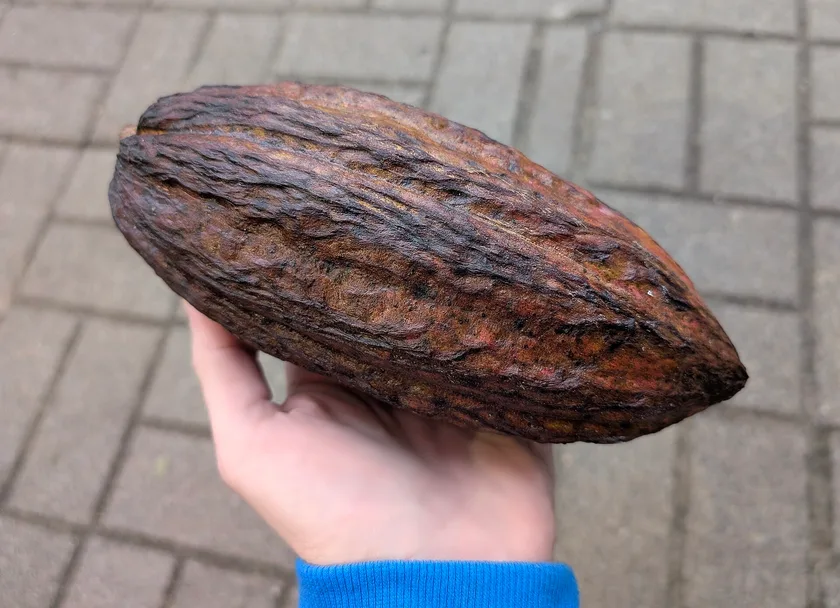
Embrapa mapped 116,436 hectares of cacao in Pará, up by about a third since 2022. Nearly all of it sits on land deforested before 2020. Much of the newest planting is full-sun monoculture, which brings a different risk.

Read the original
The reporting lives at Mongabay. Our summary is checked against it, and we link it on every story.
Mongabay reported on November 5, 2026, that new mapping from Embrapa, Brazil's agricultural research agency, shows cacao spreading in the Amazon mostly onto land that was cleared years ago. In Pará, the country's top producing state, the mapped cacao area grew by about a third between 2022 and 2024, to 116,436 hectares. About 96 percent of the cacao mapped in Pará, and 98 percent in Rondônia, sits on land deforested before 2020. Adriano Venturieri, a remote-sensing specialist at Embrapa Amazônia Oriental in Belém, led the work, which grows out of TerraClass, a program with the space agency INPE that maps how cleared Amazon land is used.
The pattern of planting has changed. Until the 2022 map, the cacao Embrapa had identified in Pará was in agroforestry, under other trees. Almost two-thirds of the newer plantings are full-sun monocultures. Those fields can yield more beans per tree, and they are more exposed to pests and disease, with a farm depending on a single crop. Mongabay noted that the older-clearing pattern lines up with European Union rules on deforestation. The helpful finding is where the crop is going: old pasture and other land opened before 2020, not a fresh cut of rainforest for most of the mapped area. The monoculture shift is a separate limit. The map is not a promise that every new cacao field is shaded, or that the Amazon is no longer being cleared for other reasons.
For the classroom
Mongabay reported on a map made by Embrapa, Brazil's farm-research agency, in the state of Pará. Farmers there are growing more cacao, the plant that chocolate comes from. The mapped area grew by about a third from 2022 to 2024, to 116,436 hectares. Almost all of that cacao is on land that was already cleared before 2020, such as old pasture, rather than on forest cut down for the new trees. There is a change in how it is grown. Until 2022 the mapped cacao was in the shade of other trees. Now almost two-thirds of the new plantings are in full sun, with only cacao. Those fields can grow more beans, and they can also be easier for pests to harm. The map shows where the crop is. It does not say every farm is safe for the forest.
- Why would it matter if new cacao is planted on an old pasture instead of in a forest?
- What is one difference between cacao growing in the shade and cacao growing in full sun?
For a teacher to read with a class. Print the story of the day · Morning announcements · All classroom stories · This week's Good News Friday pack
More good news
Other stories in the same neighborhood of kindness.
 Community
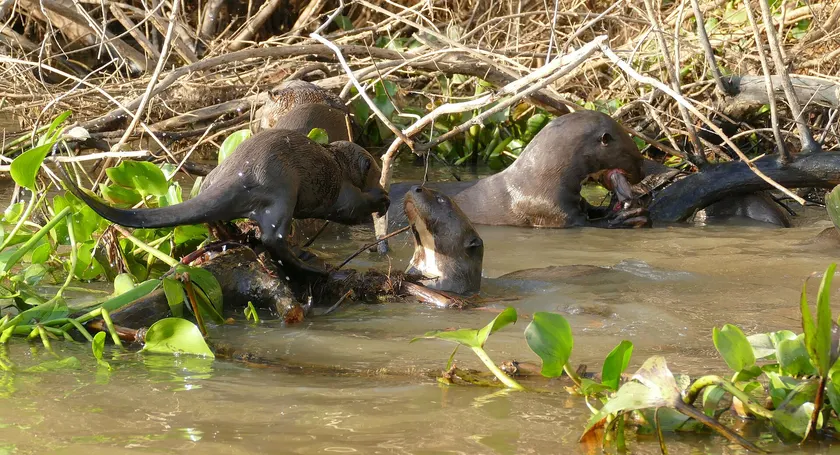
Baniwa fishers share the Içana River with giant otters
On a river where fish are scarce, most of the Baniwa fishers interviewed do not treat otters as rivals. They move, wait, or quiet the boat, and many call the otters guardians of the water.
Verified · Mongabay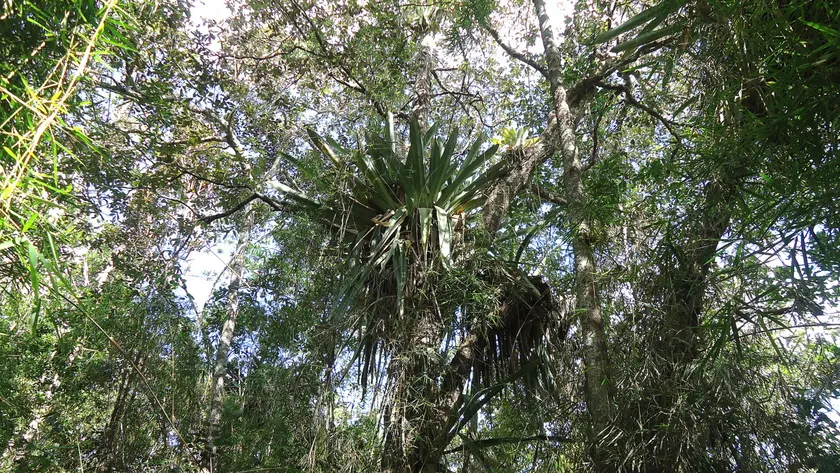 Science
Regrowing tropical forests shaded out many non-native trees
Across 1,561 plots in ten Neotropical countries, exotic trees were common in the first decades and then lost ground as the canopy closed.
Verified · Phys.org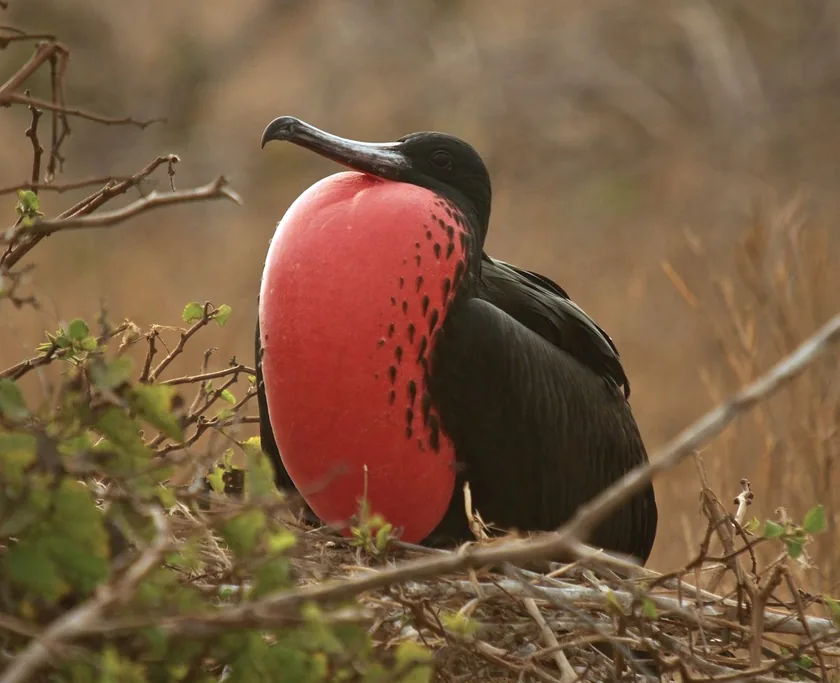 Animals
Alcatrazes marked ten years as a wildlife refuge
A decade after the archipelago off São Paulo became a federal refuge, monitors say sharks are showing up again. Night fishing is still a problem.
Verified · Folha de S.Paulo