A new study maps two of the Marshall Islands' wildest atolls
Phys.org reported a Frontiers in Marine Science paper that counted seabirds, turtle nests, and reef fish at Bikar and Bokak, inside a sanctuary declared after a 2023 survey. Two fish groups might be new to science.

Read the original
The reporting lives at Phys.org. Our summary is checked against it, and we link it on every story.
A new paper describes Bikar and Bokak, two remote atolls in the Marshall Islands, as some of the most intact ecosystems left in the region. Phys.org reported the study on November 11, 2026. It was published in Frontiers in Marine Science. Lead author Alan Friedlander, a marine ecologist at the University of Hawaiʻi who was chief scientist for a Pristine Seas expedition, said the work is the first full baseline of the national marine sanctuaries there, from the sky to the deep sea. He credited the community of Utirik Atoll with safeguarding the places for decades.
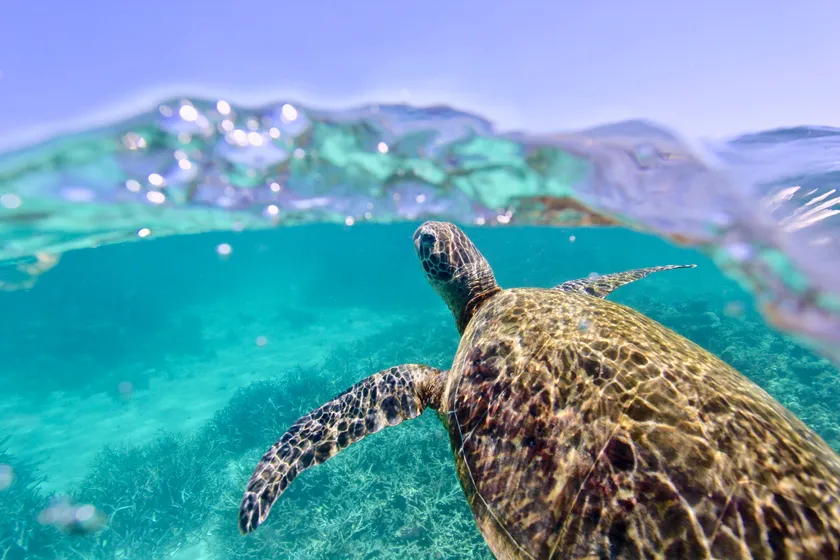
The atolls are the country's northernmost, about 116 and 385 kilometres from the nearest inhabited atoll. In 2023 the team surveyed seabirds, plants, turtle nesting, reefs, and deep water with scuba, video, cameras, and a submarine. They confirmed or judged likely 15 seabird colonies. They recorded at least 266 groups of reef fish, 138 groups of deeper fish, and 79 groups of deep-sea fishes, plus 15 groups of open-water predators such as sharks and jacks. Fourteen of the groups had not been recorded in the Marshall Islands before, and two might be species new to science. The paper does not claim those two are confirmed new species. Turtle nesting was almost entirely at Bikar, where the team counted 132 green turtle nest pits. Bokak had higher reef-fish biomass and more coral-dominated reefs. About 48,000 square kilometres around the atolls were declared the country's first national marine sanctuary two years after the survey. The news is the published baseline. It is one visit, not a promise that the reefs will stay this healthy.
For the classroom
Phys.org reported on November 11, 2026, that scientists published a close look at two remote coral atolls in the Marshall Islands, Bikar and Bokak. In 2023 a team counted birds, turtle nests, and fish. They found 15 seabird colonies and 132 green sea turtle nest pits, almost all at Bikar. Fourteen groups of fish had not been recorded in the Marshall Islands before. Two might be species new to science, but that is not confirmed. About 48,000 square kilometres around the atolls were later declared a marine sanctuary. The paper is a first careful description, so people can tell later if the reefs stay healthy.
- Why is a first careful count useful even if it does not name a brand-new animal for certain?
- What is one animal the team found signs of on the beaches?
For a teacher to read with a class. Print the story of the day · Morning announcements · All classroom stories · This week's Good News Friday pack
Utirik, Marshall IslandsWildlife conservationSea turtlesBirdsGood news on November 12
More good news
Other stories in the same neighborhood of kindness.
 Science
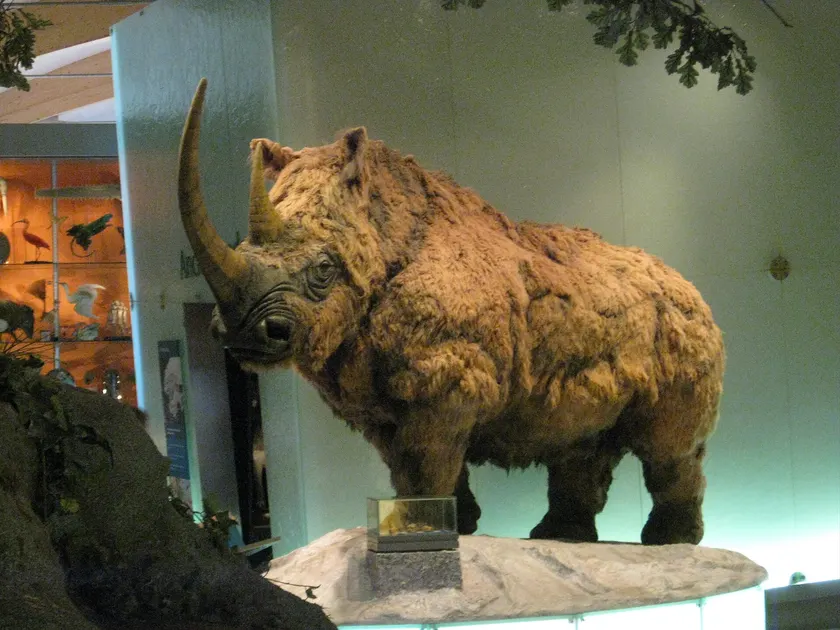
A heavy bone from the Blackwater shore is likely a woolly rhino's
Natural History Museum curators told Paul Rowe the curved bone he picked up near Tollesbury fits a woolly rhino pelvis from roughly 30,000 to 60,000 years ago. The match is an expert look, not a finished lab test.
Verified · BBC News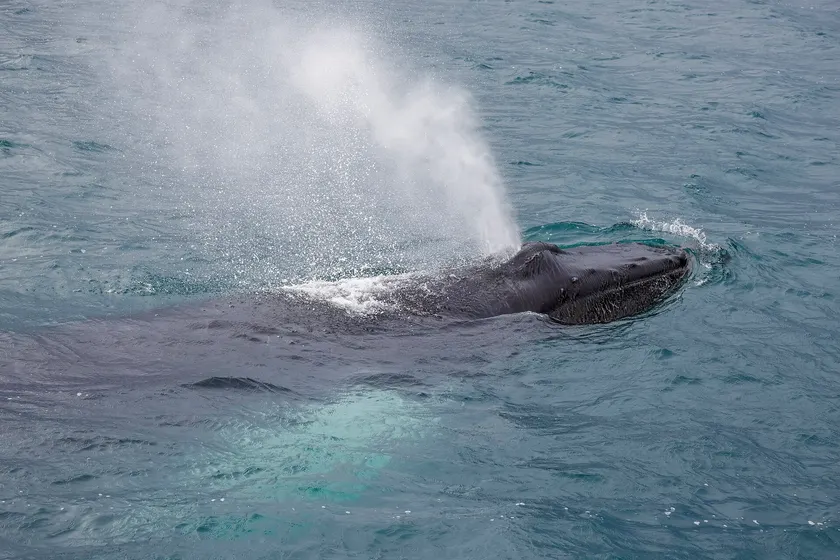 Science
Drones read humpback genomes from breath in Gitga'at territory
BBC News reported a University of St Andrews study that turned 58 drone-caught breath samples from 26 humpbacks into low-coverage genomes, without darting the whales.
Verified · BBC News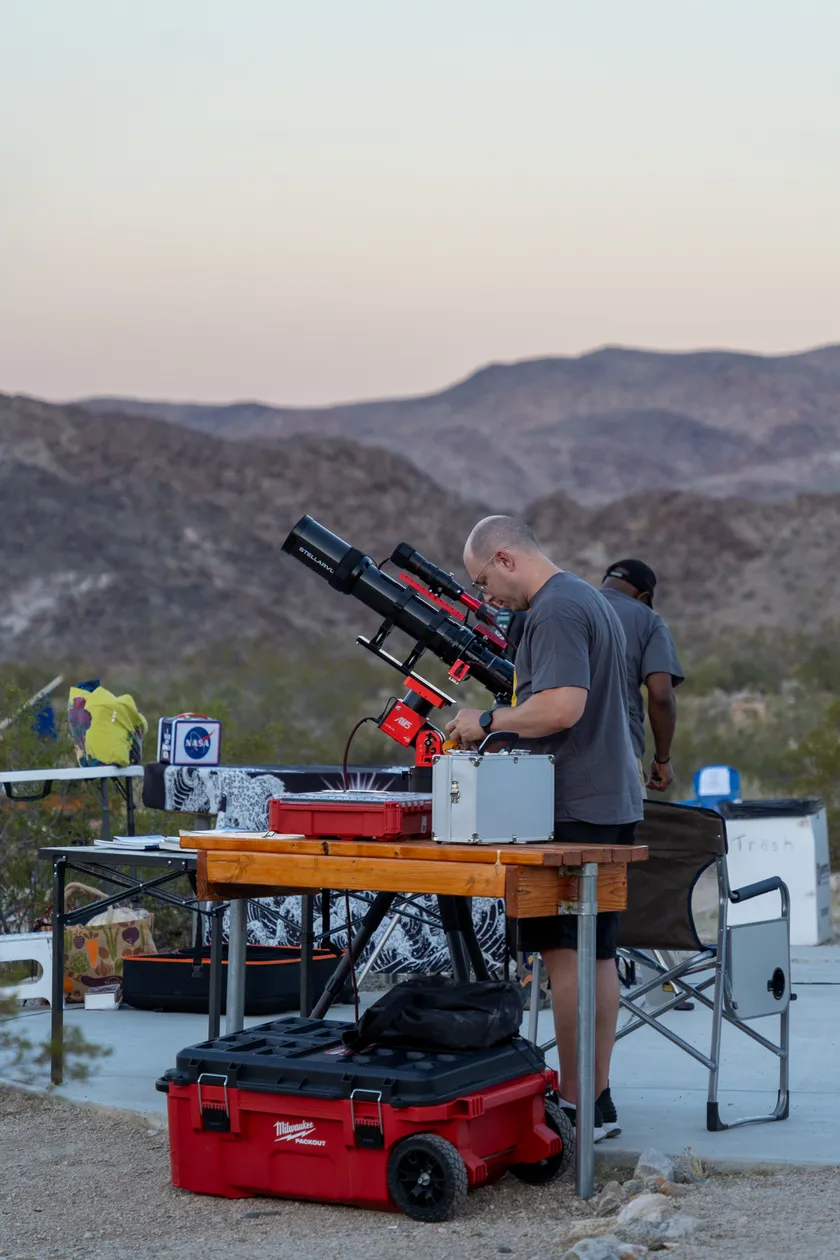 Science
A Cambridge astronomer took the planets into a St. Helier classroom
BBC News reported that Robin Catchpole, invited by the Jersey Astronomy Club, spoke with 10- and 11-year-olds at First Tower School.
Verified · BBC News