A second cluster of the Bonville leafless orchid turned up near Boambee
Teacher Nick Lambert found about 50 plants a day after seeing the only known site in flower. Scientists now count more than 60 plants in two places, and the new patch sits inside a national park.

Read the original
The reporting lives at ABC News. Our summary is checked against it, and we link it on every story.
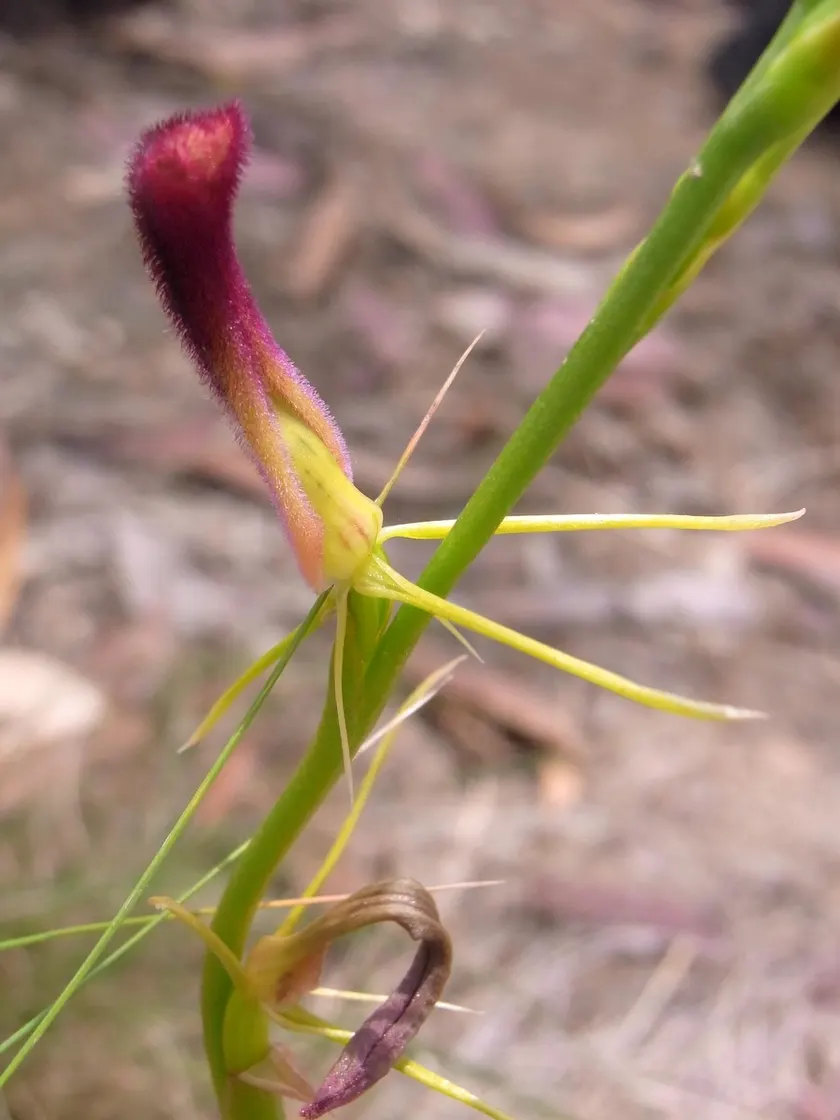
A second patch of the Bonville leafless orchid has been found near Boambee, about five kilometres from the only site anyone had confirmed. ABC News reported the find on November 4, 2026. The plant, Danhatchia copelandii, is critically endangered, grows nowhere else in the world, and shows above ground for a week or two a year when it flowers. It has no leaves and takes its nutrients from a fungus in the soil.
Teacher Nick Lambert went looking the day after he visited the original Bonville plants with botanist Lachlan Copeland on October 22, while the flowers were out. He said he found about 50 in rainforest in the foothills near Boambee, a plant about 10 centimetres tall, reddish and hairy, with tiny flowers. Copeland checked the next day. He said other botanists had tried and failed to find the orchid elsewhere, and that he had seen only six or seven plants at Bonville in recent years, and 17 this spring. Together the two sites now hold more than 60 known plants. In past springs his thorough counts at the first site ranged from about four plants to 43. The new patch falls inside the Great Koala National Park, on ground Copeland said had escaped historical logging. Brett Summerell, chief scientist at the Botanic Gardens of Sydney, said a second population matters for genetic diversity and as a backup if something happens at the first site. The orchid cannot be grown in cultivation, so the wild plants have to remain viable. A specimen is going to the National Herbarium of New South Wales at Mount Annan. The news is these two patches. It does not mean the species is safe.
For the classroom
ABC News reported on November 4, 2026, that a teacher found a second place where the Bonville leafless orchid grows. The plant was known from only one spot, at Bonville in New South Wales, and it lives nowhere else. Nick Lambert found about 50 plants near Boambee, about 5 kilometres away. The orchid has no leaves. It gets its food from a fungus in the soil, and it shows above ground for only a week or two each year. Scientists say more than 60 plants are now known, counting both places. The new spot is inside a national park. The plants still cannot be grown in a garden.
- Why is a second patch of a rare plant safer than having every plant in one place?
- What is one reason a plant with no leaves is hard to find?
For a teacher to read with a class. Print the story of the day · Morning announcements · All classroom stories · This week's Good News Friday pack
Boambee, AustraliaWildlife conservationParksGood news on November 4
More good news
Other stories in the same neighborhood of kindness.
 Science
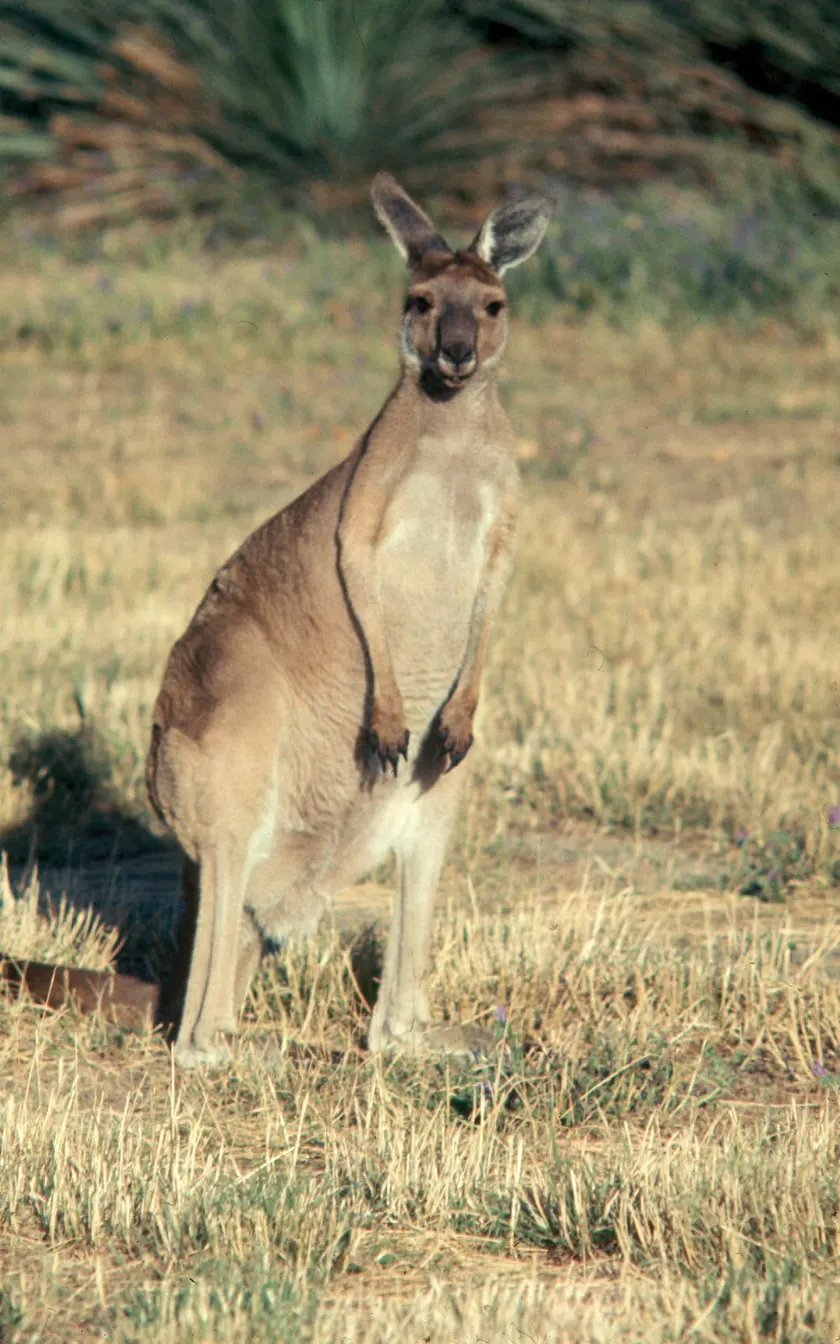
Koonibba students mapped megafauna footprints at Fowlers Bay
A 10-year-old found a track that had not been recorded before. Twenty-one students from the Aboriginal school tied the prints to stories of ancestors who lived among giant animals.
Verified · ABC News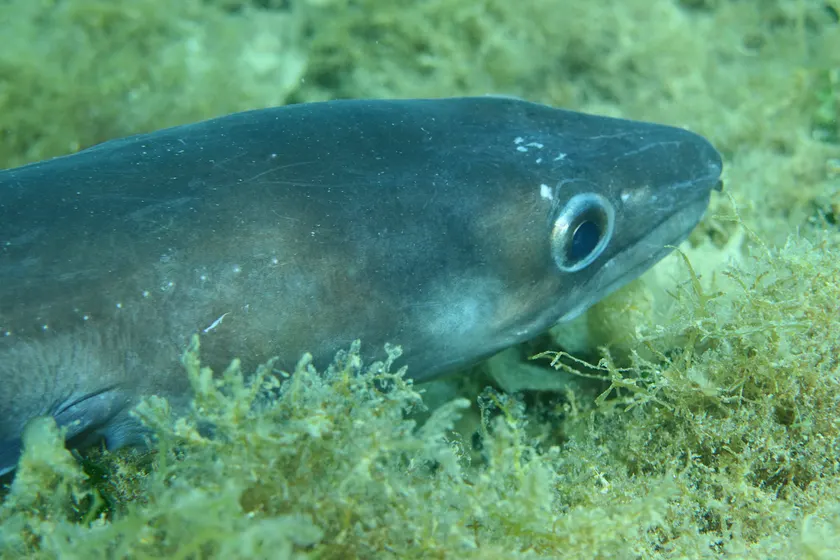 Science
About 2.8 million eels gather to spawn beside a seamount off Tasmania
A CSIRO-led study in Royal Society Open Science puts the only known deep-sea eel spawning aggregation at Patience Seamount, in Huon Marine Park.
Verified · ABC News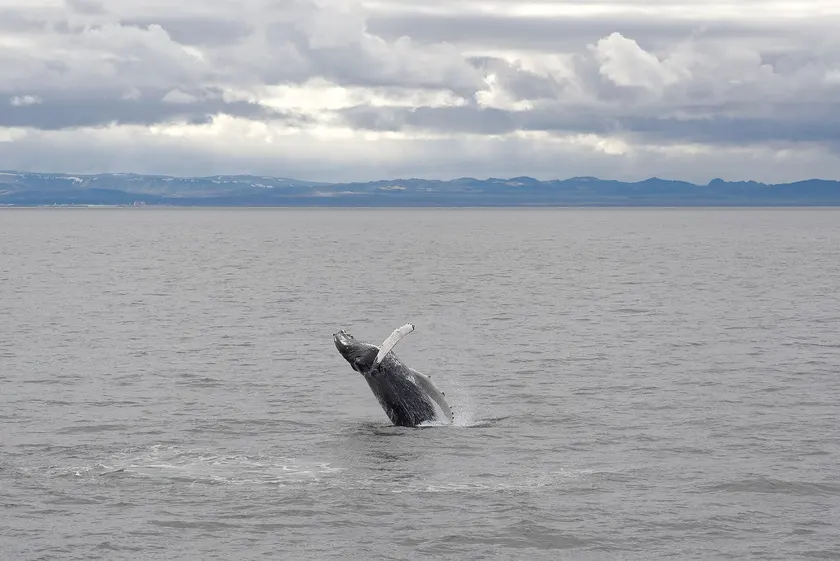 Science
Hervey Bay humpbacks reach most of their adult length by about age seven
Drone measurements of living whales show the eastern Australian population growing up faster than other humpback groups measured the same way.
Verified · Phys.org