Fossil termite nests near Calitzdorp get a scientific name
University of Cape Town researchers named the 400,000-year-old burrows for the Little Karoo town and gave the local museum a poster about the find.
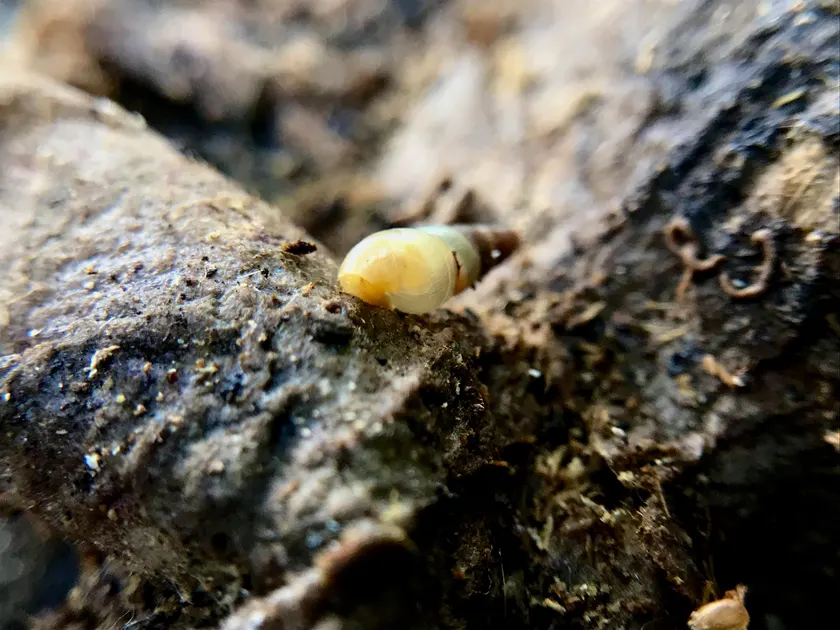

Read the original
The reporting lives at Phys.org. Our summary is checked against it, and we link it on every story.
Researchers at the University of Cape Town have named a kind of fossil termite nest for Calitzdorp, the Little Karoo town where eight of the structures were found. Phys.org reported the naming on November 2, 2026, from the university. The trace fossil is Columnanidus calitzdorpensis. Each nest is about a meter deep and about 65 centimeters across, with a central cavity and a thick wall of galleries. Uranium-series dates put the nests between 323,000 and 401,000 years old.
The soft-bodied insects are gone. Termite activity helped calcium carbonate build up in the sand, and that hardening preserved the shape. A local artist noticed the pipe-like features in the early 2000s. They were first taken for old ovens. One structure is already at the Calitzdorp Museum. In October the team, led by Miengah Abrahams, returned with a poster so visitors, especially children, could see what was under the ground nearby. CT scans showed burrow shapes the authors say they have not found elsewhere. The name covers these eight nests. It is not a claim about termites living in the town today.
For the classroom
Scientists at the University of Cape Town named fossil termite nests found near Calitzdorp, in South Africa's Little Karoo. Phys.org reported it on November 2, 2026. Eight nests sit at one site. Each is about a meter deep, with rooms and tunnels inside a thick wall, and they are hundreds of thousands of years old. The insects are gone. Minerals hardened the sand, so the nest shape remains. In October the team gave the town museum a poster. The name is for these fossils, not for termites living there now.
- How can scientists learn about an animal when its body is gone and only its nest is left?
- Why might a town museum want a poster about a fossil found nearby?
For a teacher to read with a class. Print the story of the day · Morning announcements · All classroom stories · This week's Good News Friday pack
Calitzdorp, South AfricaArchaeologySTEMGood news on November 2
More good news
Other stories in the same neighborhood of kindness.
 Animals
Clearing bass opened eight more kilometres of river for a tiny endangered fish
Since 2023, a Cape Town team has removed invasive spotted bass from the upper Breekkrans River. The doring fiery redfin's usable water grew from about 2 kilometres to about 10.
Verified · Mongabay Community
Katlehong Primary opened the 100th library in a long reading project
A literacy partnership handed the school in Gauteng its library on October 27. The project says it now reaches about 125,000 learners a day.
Verified · Engineering News Community
Heideveld Primary opened a library named for a retired principal
The Cape Town school celebrated the Rosdien Desai Legacy Library on October 22, with classes set to split time between books and computers.
Verified · Athlone News