A keeper found crown-tipped coral fungus on a log in Kent
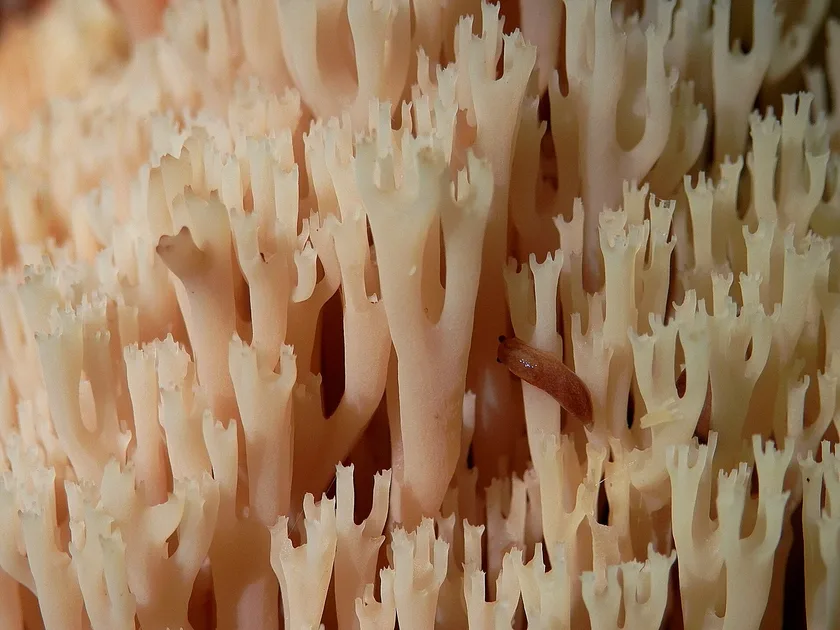
Staff at Wildwood Trust near Canterbury spotted the fungus by the rabbit enclosure. It went 116 years without a confirmed British record before a 2012 sighting in Suffolk, and it is still rarely found.

Read the original
The reporting lives at BBC News. Our summary is checked against it, and we link it on every story.
BBC News reported on November 6, 2026, that a keeper at Wildwood Trust, near Canterbury, found crown-tipped coral fungus growing on a fallen log by the rabbit enclosure. Heritage officer Steve Kirk said the fungus, also called candelabra coral, went 116 years without a confirmed British sighting before it turned up again in Suffolk in 2012. It is still rarely recorded, though there have been further finds in Hampshire, Leicestershire, and Dorset. Kirk said more of them seem to have appeared since about 2022, and that warmer summers plus a wet autumn may suit them. That is his reading of recent records, not a finished study of the cause.
The visible part is the fruiting body. Kirk said the rest of the organism runs through the dead wood, and that the little crowns are what push out, a bit like apples on a tree. Visitors can see the log near the rabbits. Staff have put up signs and a barrier. The fruiting body will decay. The park hopes the fungus fruits there again next year. The news is this log at Wildwood. It is not a map of how common the fungus is across Kent.
For the classroom
BBC News reported that a keeper at Wildwood Trust, a wildlife park near Canterbury in England, found a rare fungus on a fallen log by the rabbit enclosure. It is called the crown-tipped coral fungus, or candelabra coral, because the tips look a little like the points of a crown. Heritage officer Steve Kirk said Britain had no confirmed sighting for 116 years, until one in Suffolk in 2012. It is still rare, though people have also found it in Hampshire, Leicestershire, and Dorset in recent years. Most of the fungus is hidden inside the log. The part you see is the fruiting body, a bit like apples on a tree. Staff put up signs and a barrier. They hope it comes back next year. This is one log, not a count of every fungus in Kent.
- Why might most of a fungus be hidden even when you can see part of it?
- What is one reason a park would put a barrier around a small living thing on a log?
For a teacher to read with a class. Print the story of the day · Morning announcements · All classroom stories · This week's Good News Friday pack
Canterbury, United KingdomWildlife conservationParksGood news on November 6
More good news
Other stories in the same neighborhood of kindness.
 Science
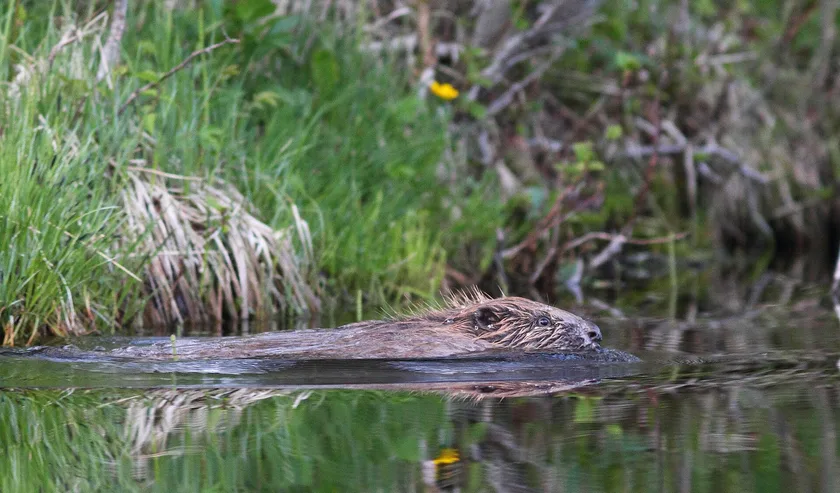
A Hatchmere study found a beaver enclosure held water through a drought
University of Liverpool researchers watched the Cheshire enclosure stay wet in July 2022 while the surrounding peat risked drying out. A pair that arrived in 2020 has since had seven kits. The paper is about that fenced site, not a new wild release.
Verified · BBC News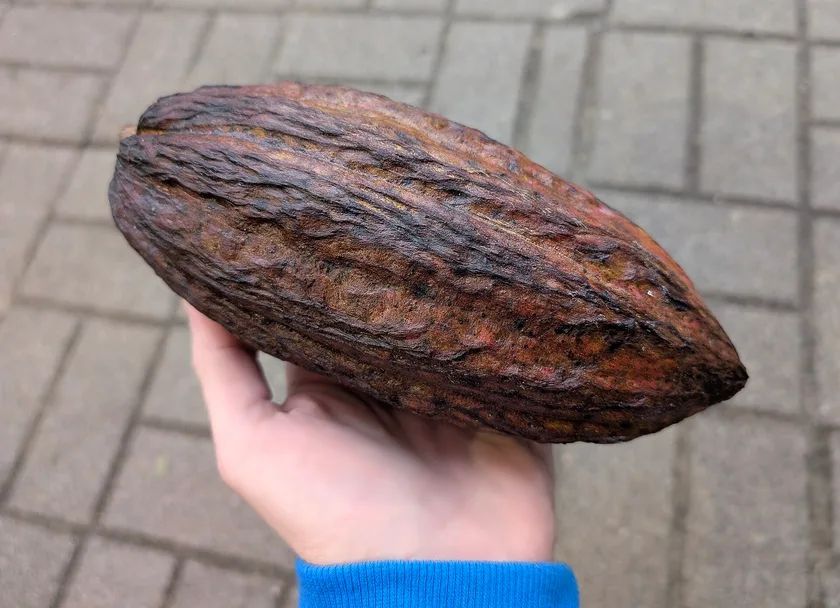 Science
A Reading student made six chocolate bars from cocoa grown on campus
Maha Khan used pods from the University of Reading's quarantine greenhouse, plus British milk and sugar. The greenhouse holds more than 300 kinds of cocoa and sends disease-free cuttings to breeding programs. The bars are a batch of six, not a new supply of chocolate.
Verified · Positive News Science
Two Armagh sky-watchers now have asteroids named for them
Rok Nežič and Shane Kelly, who work at the observatory and planetarium, were honored by the body that names small worlds. Their rocks stay in the asteroid belt.
Verified · BBC News