A Hatchmere study found a beaver enclosure held water through a drought
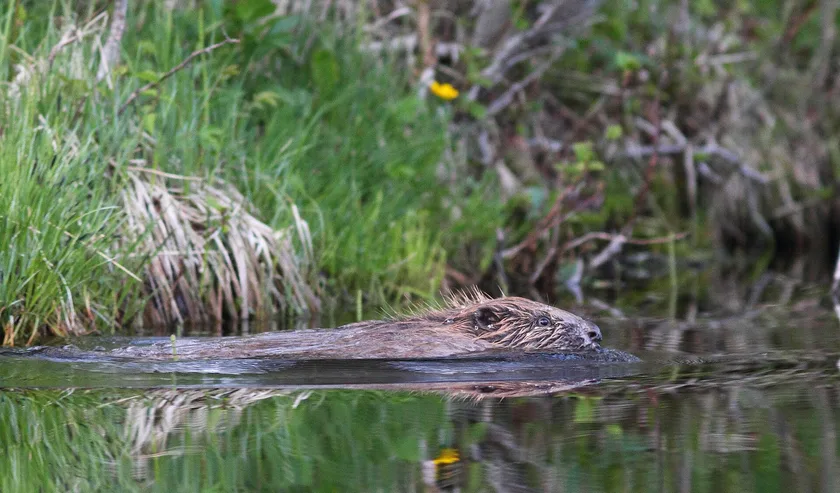
University of Liverpool researchers watched the Cheshire enclosure stay wet in July 2022 while the surrounding peat risked drying out. A pair that arrived in 2020 has since had seven kits. The paper is about that fenced site, not a new wild release.

Read the original
The reporting lives at BBC News. Our summary is checked against it, and we link it on every story.
BBC News reported on November 5, 2026, that a University of Liverpool study found beavers at Hatchmere in Cheshire kept a wetland wet through drought. Author Melanie Baker based the work on the Cheshire Wildlife Trust enclosure. She said that in the drought of July 2022 the enclosure stayed wet, water kept leaving it into a site of special scientific interest, and the peat and the plants that depend on it held on. Foxes and wading birds use that water too.
A male and a female arrived in 2020 and have produced seven kits. They have felled trees and turned dry ground into ponds. Gareth Longden of the trust said the pond they built also soaks into the peat underneath, which stores carbon and keeps water in the landscape. He said the site stayed wet through a dry year, and that beavers can also flood places people would rather keep dry or fell a tree that matters for other wildlife. He said the benefits outweigh those problems when people work with the animals.
Baker noted that England's early projects, including this one, were fenced trials, and that licensed wild releases are a separate government decision. The Cheshire project was the tenth reintroduction scheme in the country. The news is what the Hatchmere enclosure did in the 2022 drought, and the seven kits born there since 2020. It is not a new release of beavers outside the fence.
For the classroom
BBC News reported a University of Liverpool study of beavers living in a fenced wetland at Hatchmere in Cheshire, England. A male and a female arrived in 2020. They have had seven young, called kits. During a drought in July 2022, the enclosure stayed wet, and water kept flowing out into a protected bog so the peat did not dry out. The beavers also cut trees and made ponds. The study is about this one fenced place. It does not say that new beavers were released into the wild this week.
- How can a beaver pond help other animals when the weather is very dry?
- Why would scientists study beavers inside a fence before deciding where else they might live?
For a teacher to read with a class. Print the story of the day · Morning announcements · All classroom stories · This week's Good News Friday pack
Hatchmere, United KingdomWildlife conservationRiversGood news on November 5
More good news
Other stories in the same neighborhood of kindness.
 Science
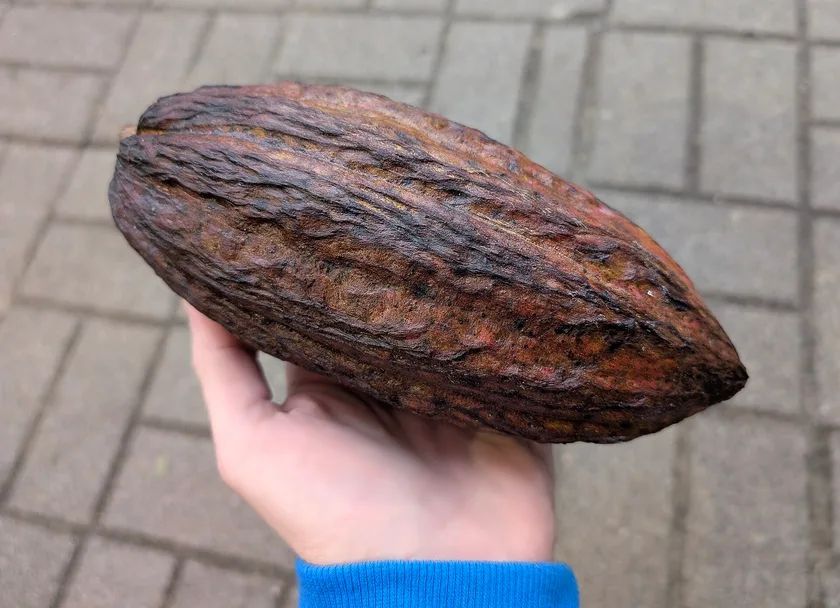
A Reading student made six chocolate bars from cocoa grown on campus
Maha Khan used pods from the University of Reading's quarantine greenhouse, plus British milk and sugar. The greenhouse holds more than 300 kinds of cocoa and sends disease-free cuttings to breeding programs. The bars are a batch of six, not a new supply of chocolate.
Verified · Positive News Science
Two Armagh sky-watchers now have asteroids named for them
Rok Nežič and Shane Kelly, who work at the observatory and planetarium, were honored by the body that names small worlds. Their rocks stay in the asteroid belt.
Verified · BBC News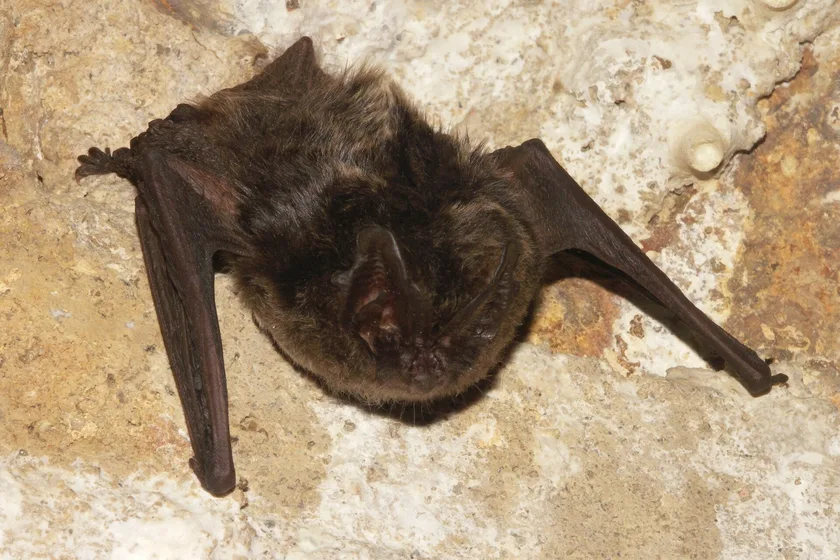 Science
Recorders left in 310 woodlands caught 98 million bat calls
Scientists say Britain's largest woodland bat survey would have taken more than 30 years to listen through without AI. Rare barbastelles showed up in the south-west.
Verified · BBC