Two Armagh sky-watchers now have asteroids named for them
Rok Nežič and Shane Kelly, who work at the observatory and planetarium, were honored by the body that names small worlds. Their rocks stay in the asteroid belt.

Read the original
The reporting lives at BBC News. Our summary is checked against it, and we link it on every story.
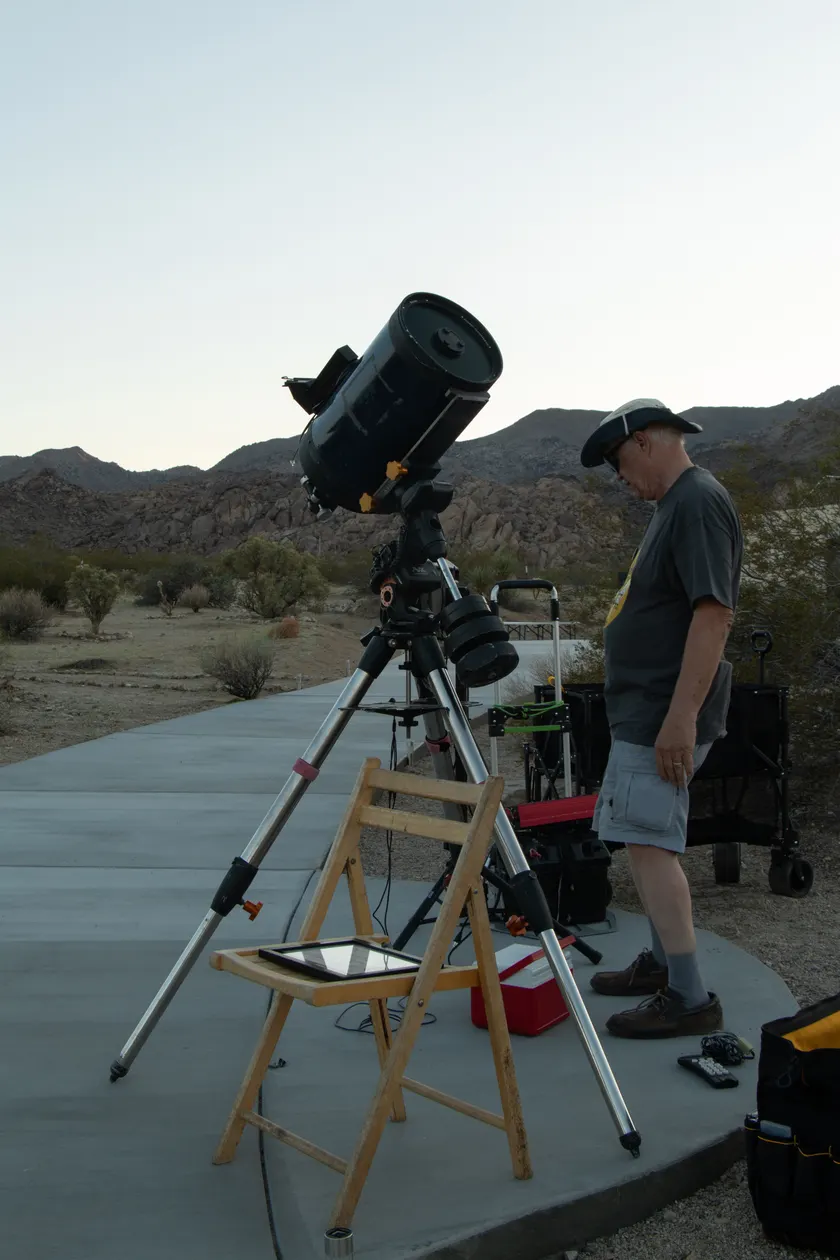
Two people at Armagh Observatory and Planetarium have asteroids named for them. BBC News reported the honors on November 1, 2026. Rok Nežič, who grew up in Slovenia and arrived in 2015 to finish a doctorate in space and climate physics, now leads tours and outreach. His asteroid is (20560) Nežič, about 10.9 kilometers across. He said it sits in the asteroid belt, going around the sun as Earth does. The number is the order in which it was found. He does not know which of the people who nominated him, his PhD supervisor and a former astronomer at the observatory, the namers listened to. He studied comets with polarised light.
Shane Kelly, the principal meteorological observer, has taken the daily readings for 27 years, opening the Stevenson screen and writing temperatures into a handwritten ledger. Director Michael Burton said Kelly has probably observed the weather more than anyone else, and that his hand has entered more lines than any of 17 predecessors. Kelly's asteroid, (7050) Shanekelly, is about 15.6 kilometers across and was discovered in Chile in 1982. The International Astronomical Union governs the names once an orbit is known well enough. Burton said 29 asteroids now have some connection to Armagh. The planetarium plans an LED dome that will show these orbits. The rocks remain in space. The honor is the names, not a visit.
For the classroom
Two people at the Armagh Observatory and Planetarium in Northern Ireland have asteroids named after them. BBC News reported it on November 1, 2026. Rok Nežič, who grew up in Slovenia, has an asteroid about 10.9 kilometers across in the asteroid belt. Shane Kelly has written the weather there for 27 years. His asteroid, found in Chile in 1982, is about 15.6 kilometers across. The International Astronomical Union approves these names. The rocks stay in space. Nobody is going to visit them.
- What has to be known about an asteroid before someone is allowed to give it a name?
- Why might writing down the weather every day for 27 years be a kind of science?
For a teacher to read with a class. Print the story of the day · Morning announcements · All classroom stories · This week's Good News Friday pack
More good news
Other stories in the same neighborhood of kindness.
 Science
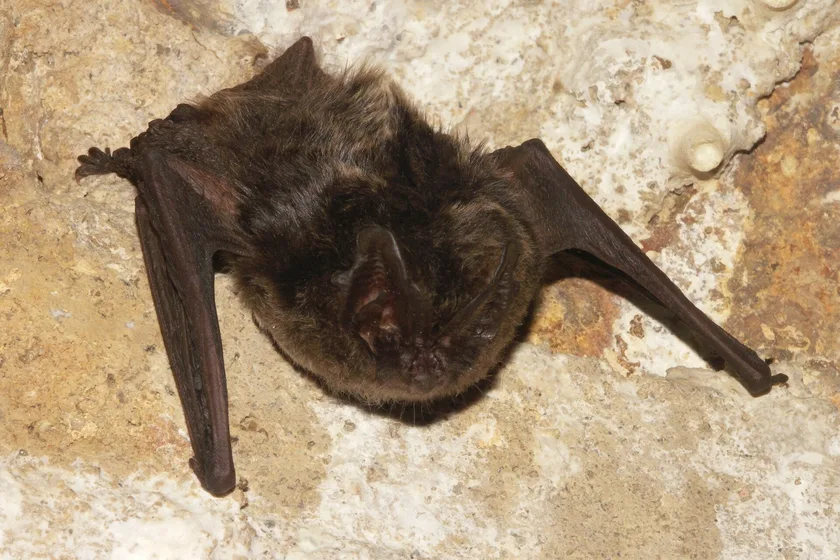
Recorders left in 310 woodlands caught 98 million bat calls
Scientists say Britain's largest woodland bat survey would have taken more than 30 years to listen through without AI. Rare barbastelles showed up in the south-west.
Verified · BBC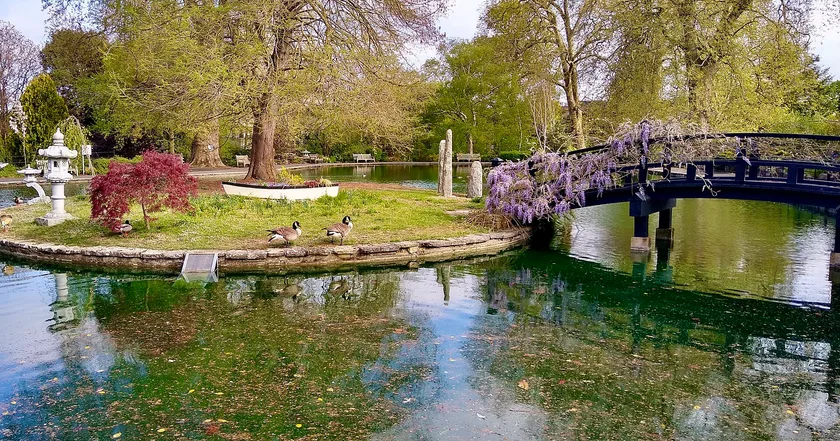 Science
Sensors in Guildford showed how far a park cools the streets
Two studies from the town's sensor network found Stoke Park and other green spaces cut heat, noise, and air pollution, with the benefit fading about every 100 metres.
Verified · Mongabay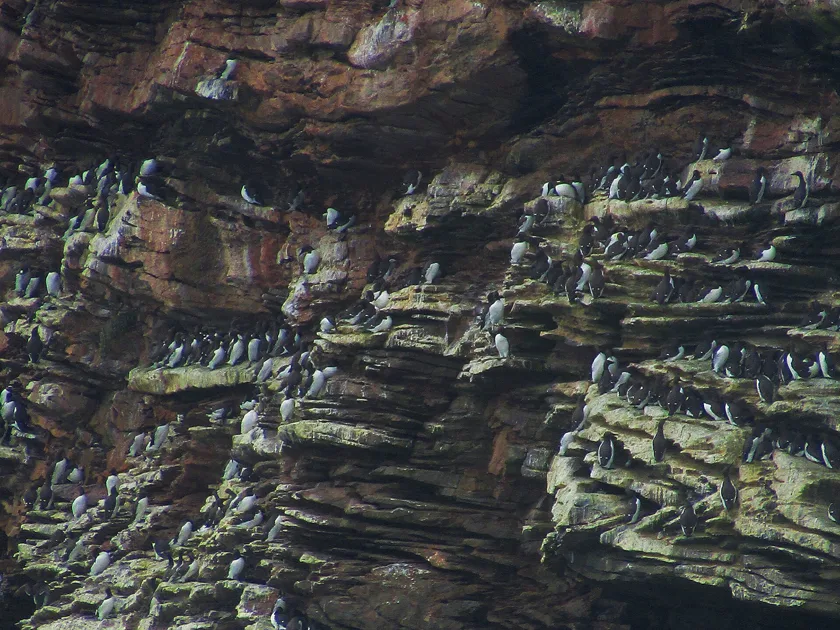 Science
Eye buoys and kites cut seabird deaths in Cornish fishing nets
A 17-month trial off Cornwall found predator-shaped kites and spinning eye buoys lowered the odds that diving birds would be caught in gillnets.
Verified · Mongabay