Western Cape vineyards are treating habitat and soil as part of the harvest
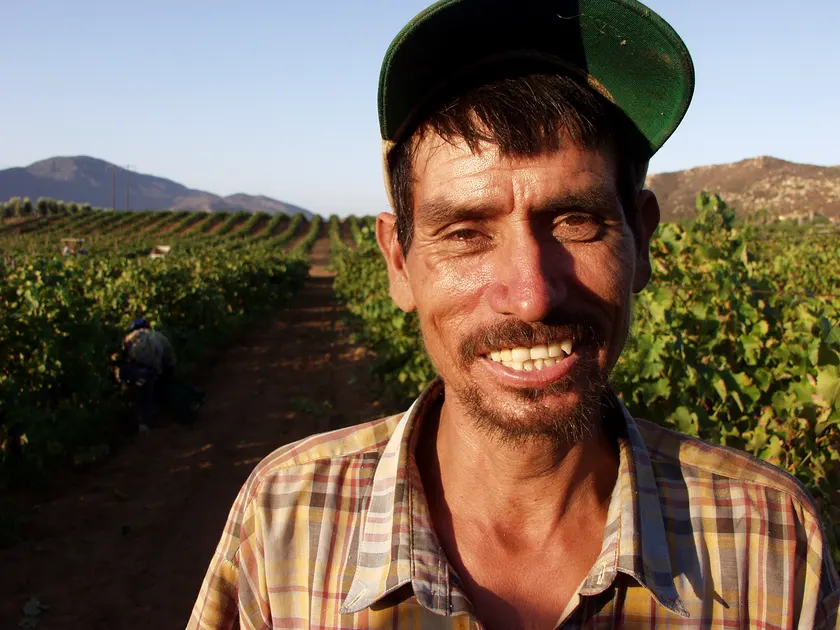
The Conversation reported that a team looked at 107 vineyards, about a fifth of the region's total. Growers described cover crops, stream repair, and tighter pest control as business tools.

Read the original
The reporting lives at The Conversation. Our summary is checked against it, and we link it on every story.
The Conversation published on November 13, 2026, an account by geographers and sustainability scientists who interviewed growers, conservation staff, and wine experts in the Western Cape and reviewed practices at 107 vineyards, about 20 percent of a regional total of more than 500. The Cape produces about 90 percent of South Africa's wine and holds the Cape Floral Region, including fynbos found nowhere else. Temperatures there have risen 1.5 to 2 times the global average over 50 years, and a three-year drought in the late 2010s cut grape production.
The authors write that many operators now treat soil and habitat as part of staying in business, not as land taken out of production. Most of the country's vineyards take part in the Integrated Production of Wine system, started with researchers in 1998, which sets rules for pesticides, water, wastewater, and stewardship and uses independent audits. Growers described restoring native plants along waterways, removing alien species, planting cover crops such as legumes, oats, rye, radish, and mustard, and using compost and mulch. Several said they watch pests and spray less broadly, because chemicals cost more. WWF Conservation Champions and other certifications were part of the encouragement. The paper also says vineyard area has decreased, exports and labour are expensive, and some growers are changing crops or adding tourism. Students Zoe Van der Walt, Jack Spining, and Dryver Finch contributed. The finding is how these farms describe their choices. It is not a measured yield increase.
For the classroom
The Conversation published a study on November 13, 2026, about wine farms in South Africa's Western Cape, home of fynbos plants found almost nowhere else. The region makes about 90 percent of the country's wine, and hotter, drier years have stressed the vines. Researchers looked at 107 vineyards, about one in five. Many plant a cover crop, such as oats or beans, between the rows to protect the soil. Some restore native plants along streams. Most farms follow rules, started in 1998, for pesticides and water. The study records what farmers said they do. It did not measure a bigger grape harvest.
- How can a plant grown between vine rows help the soil hold water?
- Why would a farmer protect a stream even though the grapes are the crop they sell?
For a teacher to read with a class. Print the story of the day · Morning announcements · All classroom stories · This week's Good News Friday pack
Cape Town, South AfricaFarmingWildlife conservationGood news on November 13
More good news
Other stories in the same neighborhood of kindness.
 Community
Katlehong Primary opened the 100th library in a long reading project
A literacy partnership handed the school in Gauteng its library on October 27. The project says it now reaches about 125,000 learners a day.
Verified · Engineering News Community
Heideveld Primary opened a library named for a retired principal
The Cape Town school celebrated the Rosdien Desai Legacy Library on October 22, with classes set to split time between books and computers.
Verified · Athlone News Community
Seniors at Rabie Ridge Library spent an afternoon learning the signs of stroke
A dietitian from the Heart and Stroke Foundation South Africa led the October 12 session on warning signs, prevention, and meals.
Verified · City of Johannesburg