A retired pair of orange-fronted parakeets laid two clutches at Orana
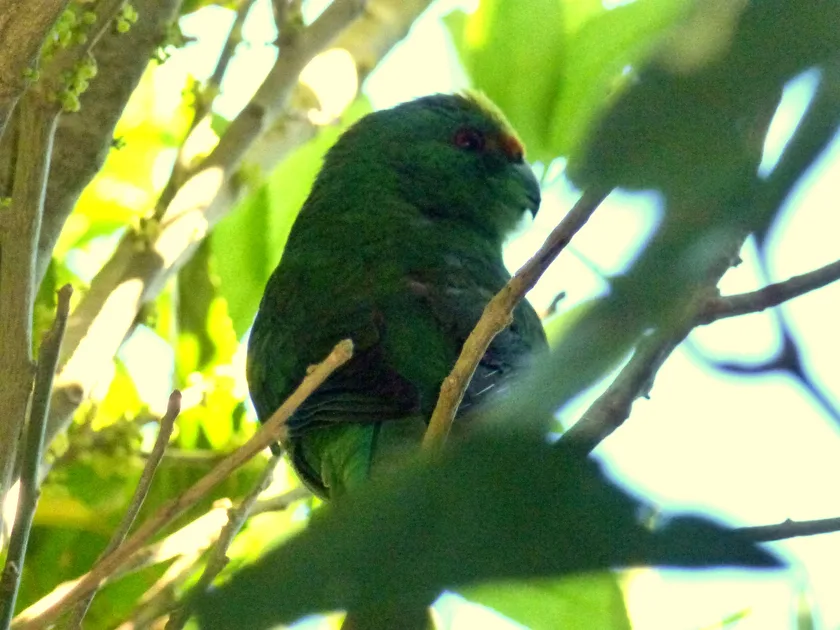
RNZ reported that Sophia and Prince Polo, taken off the breeding list because of their age, produced four chicks at Orana Wildlife Park and then started a second nest.

Read the original
The reporting lives at RNZ. Our summary is checked against it, and we link it on every story.
An aged pair of critically endangered orange-fronted parakeets has produced two surprise clutches at Orana Wildlife Park in Christchurch, RNZ reported on November 24, 2026. Sophia and Prince Polo had been officially retired from breeding because of their age and moved to a display area. Native fauna manager Catherine Roughton said Sophia had first been paired with a bird called Poldark. After he died, she was paired with Prince Polo, and keepers found eggs.
About four weeks later, while the new chicks were about a month old, Sophia went back into the nest box and laid again. Prince Polo has been feeding the first four chicks. Roughton called that a full-on job for him.
The kākāriki karaka has twice been declared extinct. About 450 are now thought to remain, mostly on offshore islands or at the Brook Waimārama Sanctuary near Nelson, with a small remnant population in Canterbury. Department of Conservation recovery lead Wayne Beggs said Prince Polo and Sophia were collected as eggs from wild nests in the Poulter Valley about eight years ago and hold important genetics for the captive program and for wild places where their offspring are released. The news is this pair breeding again. It does not change the estimate of how many birds are left in the wild.
For the classroom
RNZ reported on November 24, 2026, that two orange-fronted parakeets at Orana Wildlife Park in Christchurch had eggs again after keepers had retired them from breeding because they were old. The birds are called kākāriki karaka. Sophia had been paired with another bird who died, and then with Prince Polo. She laid one clutch, and about four weeks later, while those chicks were about a month old, she laid more eggs. Prince Polo has been feeding the first four chicks. The species has twice been declared extinct. About 450 are thought to be left, mostly on islands or at a sanctuary near Nelson, with a small group still in Canterbury. These two birds came from wild eggs in the Poulter Valley about eight years ago, so their chicks add useful family lines.
- Why would eggs from older birds still matter when so few of this parrot are left?
- What is one bird you can name that people are trying to keep from disappearing?
For a teacher to read with a class. Print the story of the day · Morning announcements · All classroom stories · This week's Good News Friday pack
Christchurch, New ZealandBirdsWildlife conservationZoosGood news on November 24
More good news
Other stories in the same neighborhood of kindness.
 Animals
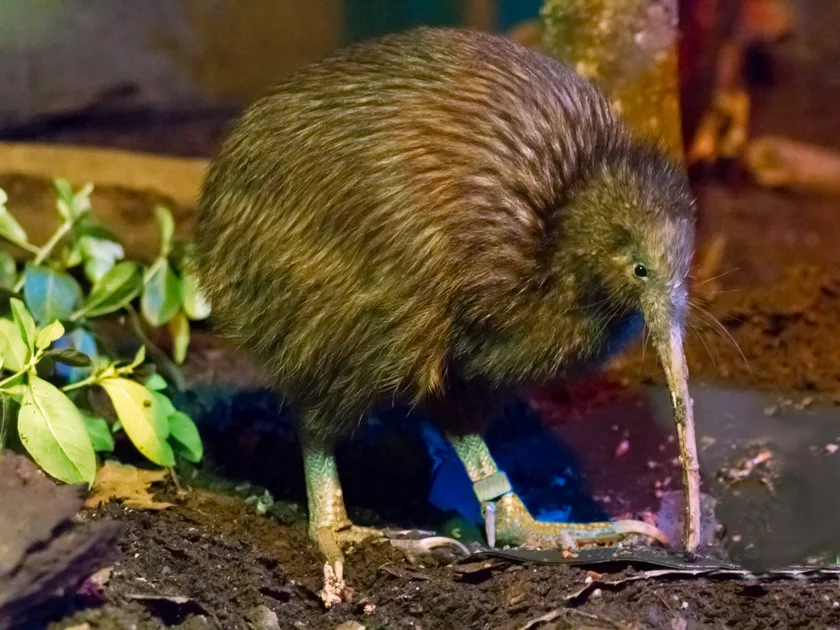
More than 250 kiwi are back in the hills around Wellington
Mongabay reported that a Māori-led project has put more than 250 kiwi onto farmland and reserves around the capital, and chicks there are surviving where traps are keeping stoats down.
Verified · Mongabay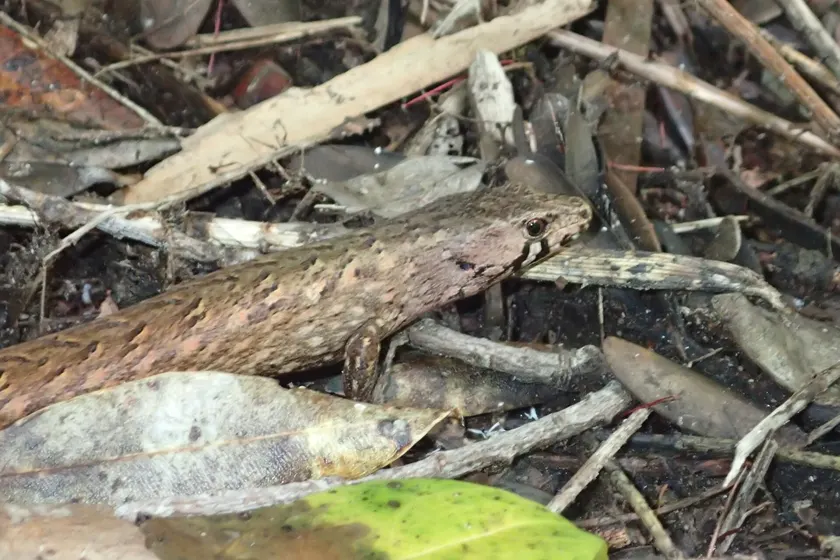 Animals
Eleven chevron skinks went home to Aotea after decades at the zoo
The Department of Conservation said eleven niho taniwha, New Zealand's longest lizards, were released at Glenfern Sanctuary on November 23 after a line that began with three injured animals in the 1990s.
Verified · Department of Conservation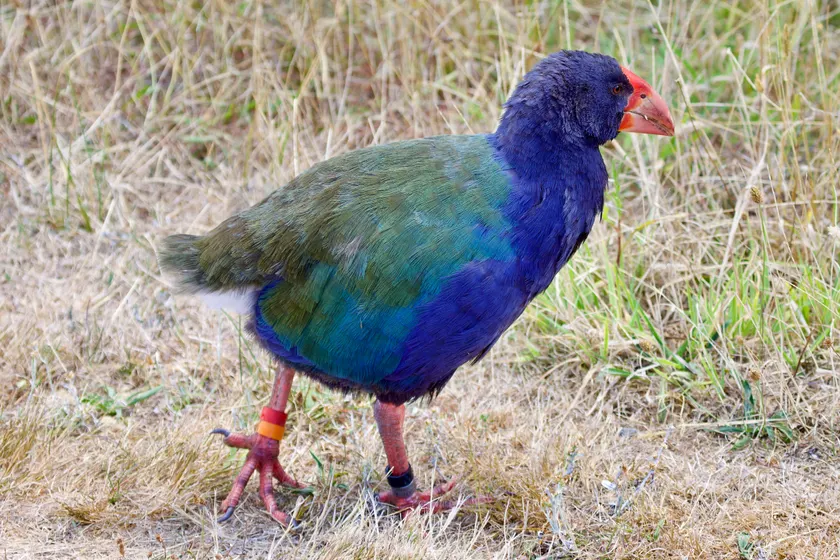 Animals
Farewell Spit's new habitat has its first takahē chick
RNZ reported that a pair moved to the Onetahua project in May has a chick about six weeks old, the first for a fenced habitat at the top of the South Island.
Verified · RNZ