More than 250 kiwi are back in the hills around Wellington
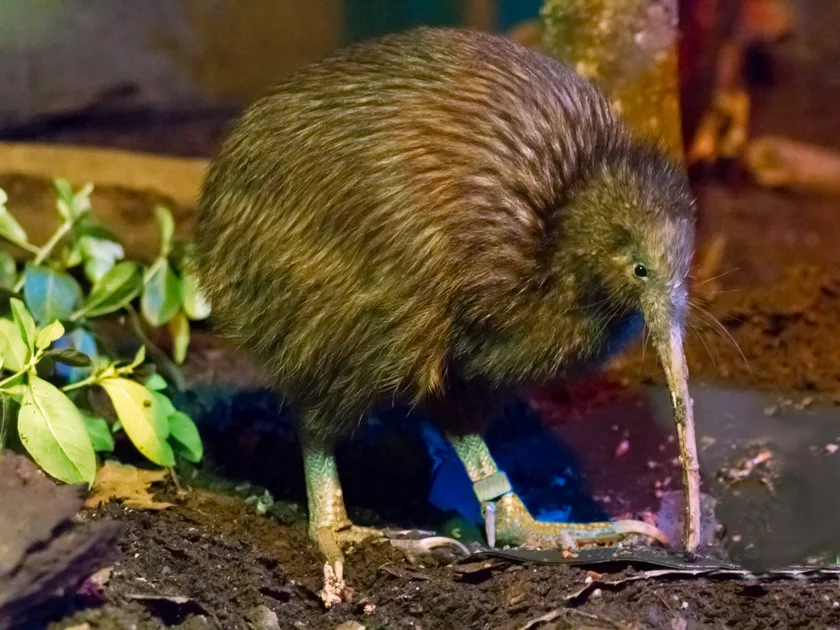
Mongabay reported that a Māori-led project has put more than 250 kiwi onto farmland and reserves around the capital, and chicks there are surviving where traps are keeping stoats down.

Read the original
The reporting lives at Mongabay. Our summary is checked against it, and we link it on every story.
Wild kiwi are roaming the hills around Wellington for the first time in more than 150 years, Mongabay reported on November 24, 2026. The Capital Kiwi project, led by Māori iwi with neighbors and private landowners, has translocated more than 250 birds since late 2022. Counting chicks hatched in the wild, founder Paul Ward estimates the local population now exceeds 300.
Stoats, brought to New Zealand in the late 1800s, kill nearly every kiwi chick in places without predator control. Before the releases, teams put out more than 5,300 traps across about 24,000 hectares of farmland, forestry, and suburban reserves. Ward said chick survival under that trapping has passed 90 percent, and that the release sites have enough food for adult birds that can fend for themselves.
Rawiri Walsh, the project's kiwi guardian and iwi liaison from Taranaki Whānui, said monitoring shows the released birds are in good condition and laying eggs. The moves follow a tono, a formal request to gift the birds, and receiving communities welcome them with a pōwhiri. Walsh said placing a kiwi in a burrow is a way of putting something back into the land. Ward said the same partnerships are now being used to ask which other treasured species might return. The news is this population and the chick survival where traps are in place. It is not a count of every hill around the city.
For the classroom
Mongabay reported on November 24, 2026, that wild kiwi are living in the hills around Wellington, New Zealand's capital, for the first time in more than 150 years. A project led by Māori iwi, neighbors, and landowners has moved more than 250 kiwi there since late 2022. Teams set more than 5,300 traps across about 24,000 hectares so stoats would not eat the chicks. Where those traps are working, more than 90 percent of chicks survive. Without that work, nearly all chicks die before they grow up. Counting the chicks hatched in the wild, the local group is now thought to be more than 300 birds. Monitors say the birds are laying eggs.
- Why did people have to trap stoats before the kiwi could come back?
- What is one animal near your home that needs a safer place to raise its young?
For a teacher to read with a class. Print the story of the day · Morning announcements · All classroom stories · This week's Good News Friday pack
Wellington, New ZealandWildlife conservationBirdsIndigenous communitiesGood news on November 24
More good news
Other stories in the same neighborhood of kindness.
 Animals
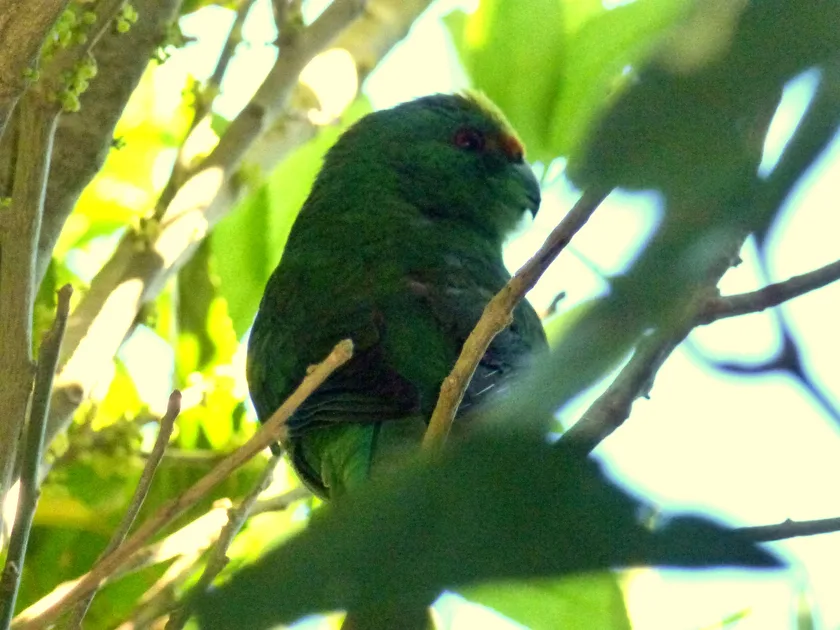
A retired pair of orange-fronted parakeets laid two clutches at Orana
RNZ reported that Sophia and Prince Polo, taken off the breeding list because of their age, produced four chicks at Orana Wildlife Park and then started a second nest.
Verified · RNZ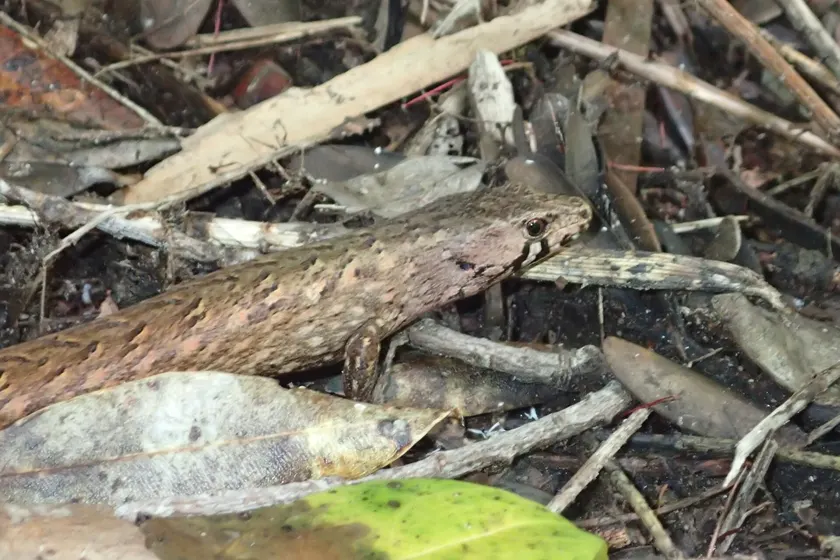 Animals
Eleven chevron skinks went home to Aotea after decades at the zoo
The Department of Conservation said eleven niho taniwha, New Zealand's longest lizards, were released at Glenfern Sanctuary on November 23 after a line that began with three injured animals in the 1990s.
Verified · Department of Conservation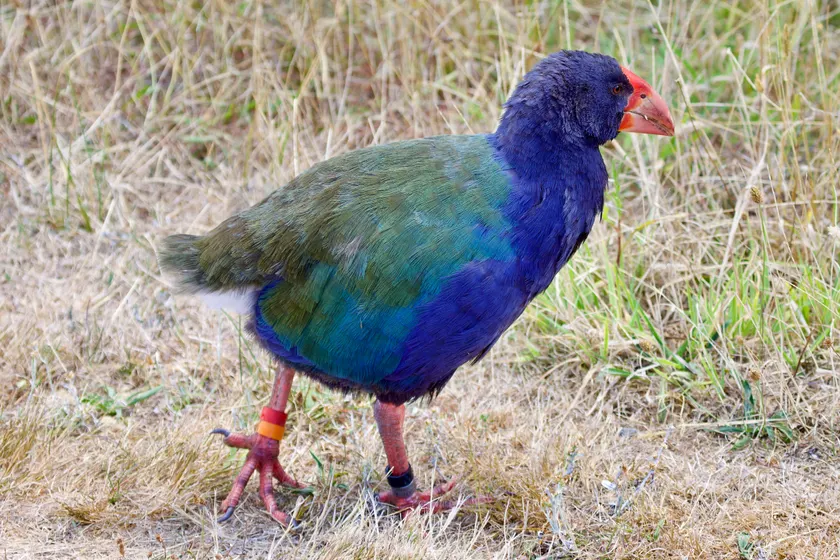 Animals
Farewell Spit's new habitat has its first takahē chick
RNZ reported that a pair moved to the Onetahua project in May has a chick about six weeks old, the first for a fenced habitat at the top of the South Island.
Verified · RNZ