Sensors in Guildford showed how far a park cools the streets
Two studies from the town's sensor network found Stoke Park and other green spaces cut heat, noise, and air pollution, with the benefit fading about every 100 metres.

Read the original
The reporting lives at Mongabay. Our summary is checked against it, and we link it on every story.
Guildford has been wired as a living laboratory, and two new studies say its green spaces are doing quiet work on heat, noise, and dirty air. Mongabay reported on October 28, 2026, that a sensor network across the Surrey town produced finer measurements than many earlier park studies.
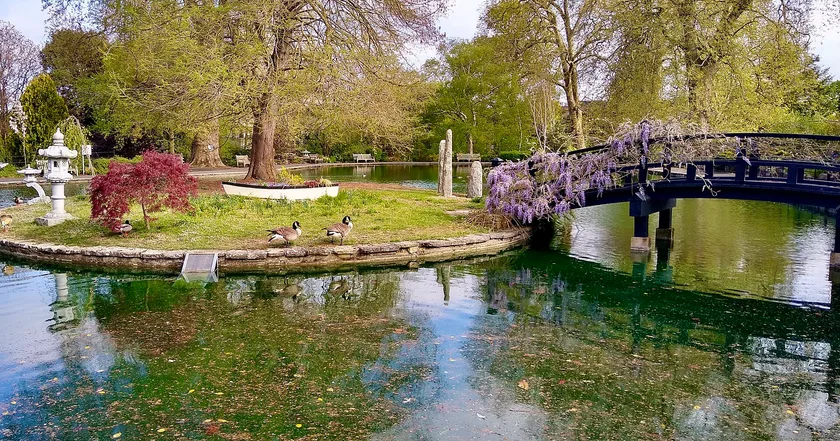
One study of a large park found the surroundings cooler, quieter, and less polluted, with that effect shrinking about every 100 metres from the boundary. Different kinds of greenery cooled the people inside them differently. A second study looked at extreme heat. Large green spaces such as woodland showed the smallest rise in temperature. Stoke Park, about 52 hectares in the middle of town, is one of those places: fields, a pond, gardens, and oak, spruce, and beech.
The researchers said planners could use that detail when they design green space. The findings describe Guildford's existing parks. They do not forecast a future heat wave.
For the classroom
Stoke Park is a large green space in Guildford, a town in Surrey, England. Mongabay reported on October 28, 2026, that scientists used sensors around the town to measure what parks do. One study found the streets near a big park were cooler, quieter, and had cleaner air. That help got smaller about every 100 metres from the edge. Another study looked at very hot days. Woods and other big green places heated up the least. Stoke Park covers about 52 hectares, with fields, a pond, and trees. The studies describe the park that is already there.
- What three things did the park make better in the streets nearby?
- Why would shade from trees matter on a very hot day?
- What is a park near you, and who uses it?
For a teacher to read with a class. Print the story of the day · Morning announcements · All classroom stories · This week's Good News Friday pack
Guildford, United KingdomParksTreesSTEMGood news on October 28
More good news
Other stories in the same neighborhood of kindness.
 Science
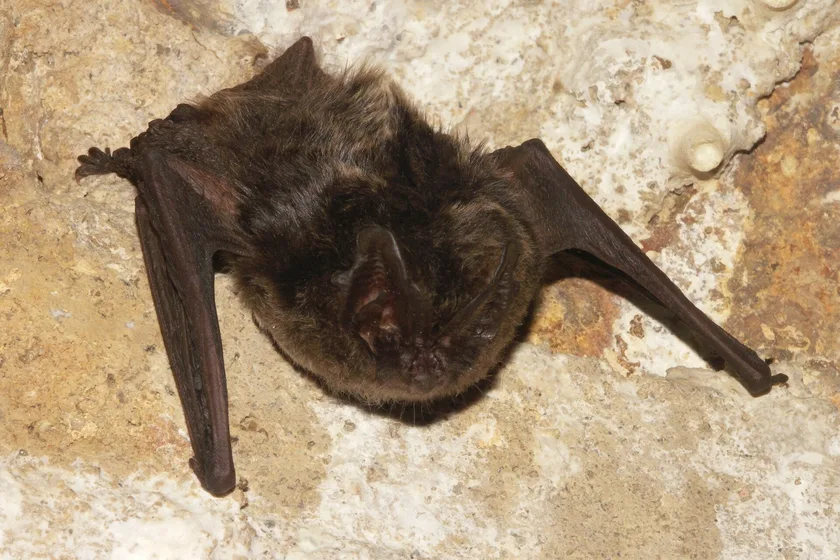
Recorders left in 310 woodlands caught 98 million bat calls
Scientists say Britain's largest woodland bat survey would have taken more than 30 years to listen through without AI. Rare barbastelles showed up in the south-west.
Verified · BBC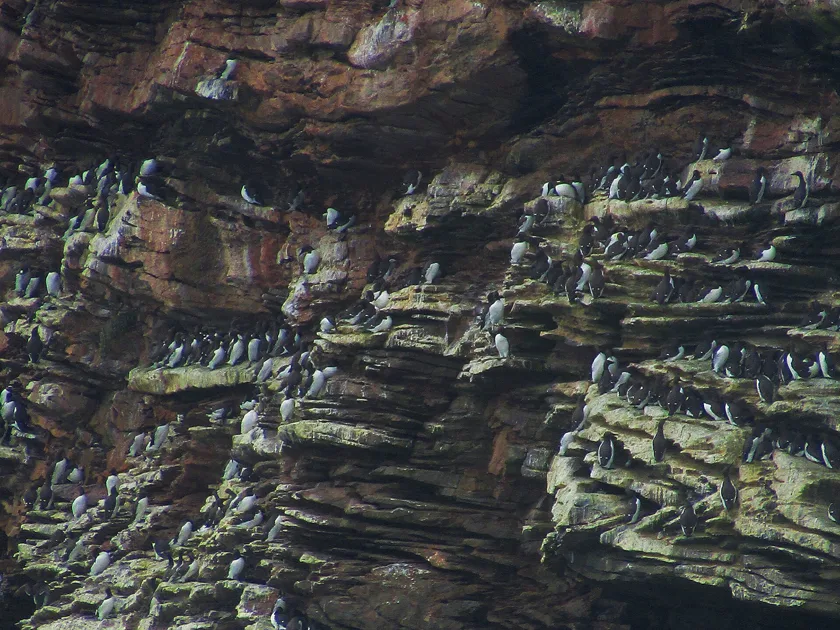 Science
Eye buoys and kites cut seabird deaths in Cornish fishing nets
A 17-month trial off Cornwall found predator-shaped kites and spinning eye buoys lowered the odds that diving birds would be caught in gillnets.
Verified · Mongabay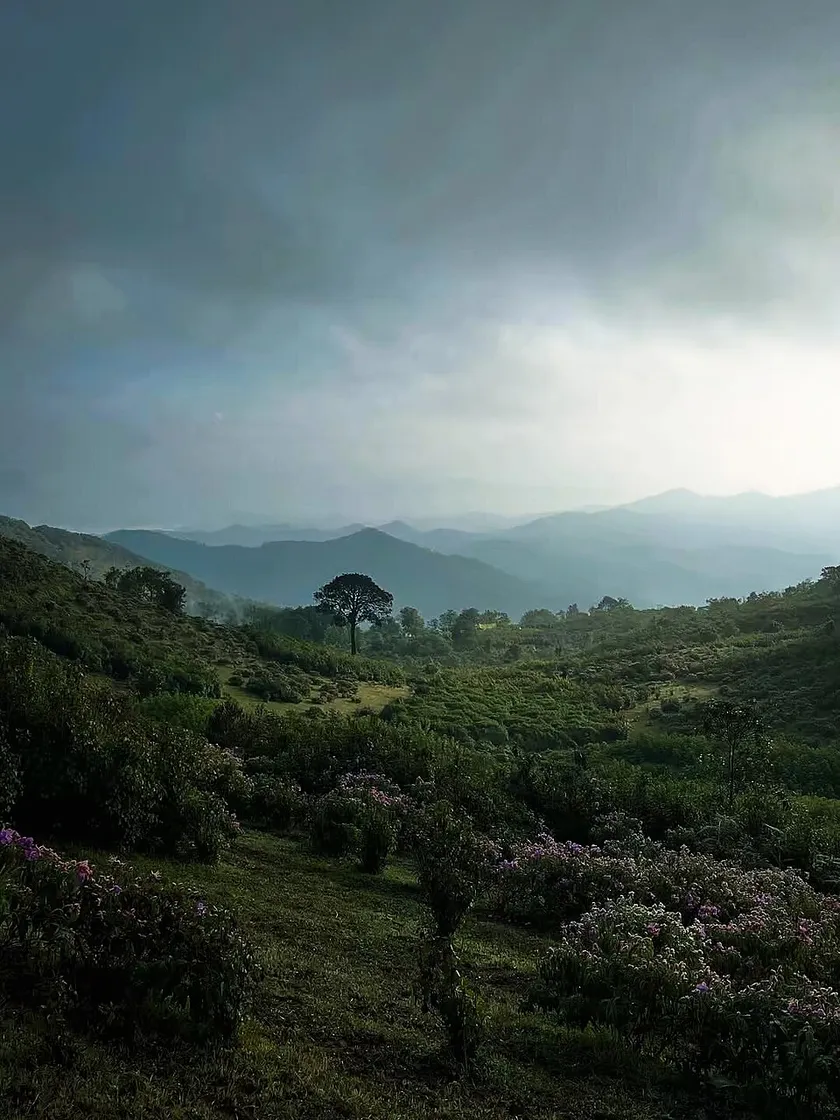 Science
Upper Teesdale's rare alpine plants get three years of seed funding
A local trust received £65,000 to collect seed from arctic-alpine plants and put it back on the fells with volunteers.
Verified · BBC