Delmarva fox squirrels moved to Delaware are having babies
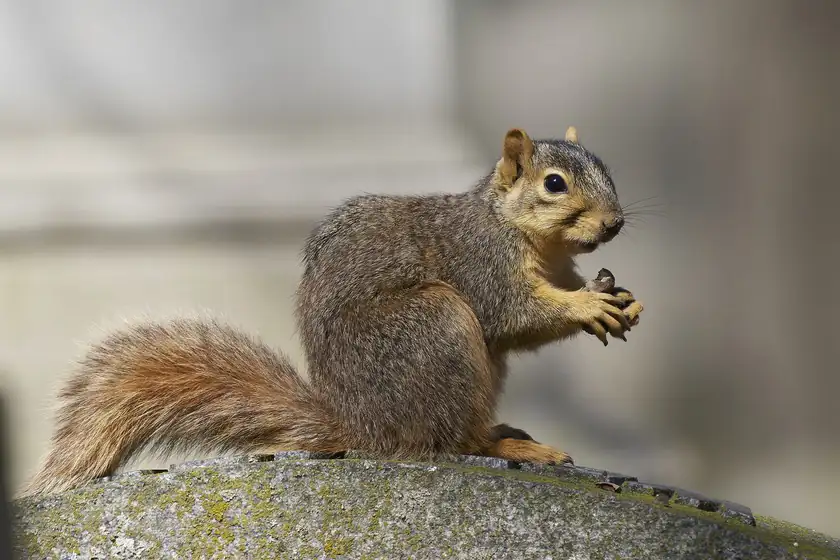
DNREC moved 123 squirrels from Maryland to three Sussex County sites from 2020 to 2024. Biologists have now documented reproducing females at all three sites and squirrels born in Delaware.

Read the original
The reporting lives at WBOC. Our summary is checked against it, and we link it on every story.
DNREC moved 123 Delmarva fox squirrels from Maryland to three Sussex County sites between 2020 and 2024, WBOC reported. Biologists have now documented reproducing females at all three sites, and squirrels born in Delaware.
The releases include the Redden State Forest area near Georgetown. The 123 animals are the ones that were moved. The new finding is that those populations are producing young, including a generation born in the state.
For the classroom
Delmarva fox squirrels are big squirrels that Delaware wanted back in its woods. From 2020 to 2024, the state agency DNREC moved 123 of them from Maryland to three places in Sussex County, including the Redden State Forest area near Georgetown. Biologists have now found mother squirrels raising young at all three sites, including squirrels born in Delaware. That means the moved animals are not only surviving. They are starting a new generation. The 123 is how many were moved, and three is the number of release sites.
- Why move wild animals from one state to another?
- How can scientists tell that squirrels are having babies?
- What is the difference between animals that were moved and animals born in the new place?
For a teacher to read with a class. Print the story of the day · Morning announcements · All classroom stories · This week's Good News Friday pack
Georgetown, DelawareWildlife conservationParksVolunteersGood news on November 6
More good news
Other stories in the same neighborhood of kindness.
 Science
A CT scanner read the four-letter code on a 1583 shipwreck padlock
The brass lock from the Ann Francis, wrecked off Port Talbot in 1583, opens to the letters A-N-C-E. Cardiff engineers found the combination inside the mechanism without forcing the rings.
Verified · BBC News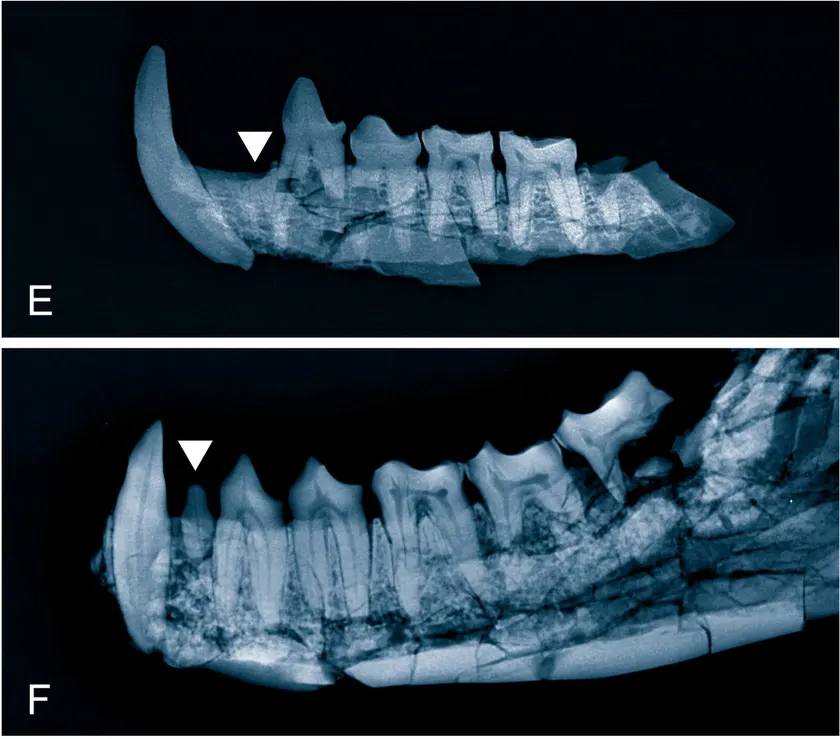 Science
Jaw bones from Wadi Moghra are the first clear fossil ape from North Africa
Scientists named Masripithecus moghraensis from jaws about 17 to 18 million years old. The Independent reported that the team argues North Africa mattered more in early ape history. The fossils are jaws, not a full skeleton.
Verified · The Independent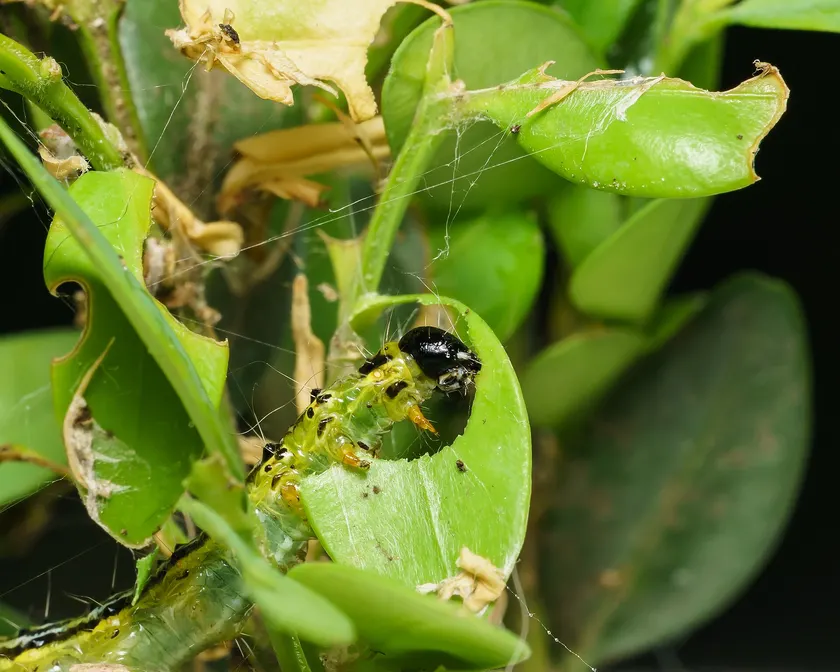 Science
New Delhi researchers found a protein that lets a chewed leaf warn the others
Scientists at the National Institute of Plant Genome Research identified a protein that carries an insect-attack signal from a damaged leaf to undamaged ones. A use in crop sprays is a possibility the news report does not show in a field.
Verified · The Hindu