Jaw bones from Wadi Moghra are the first clear fossil ape from North Africa
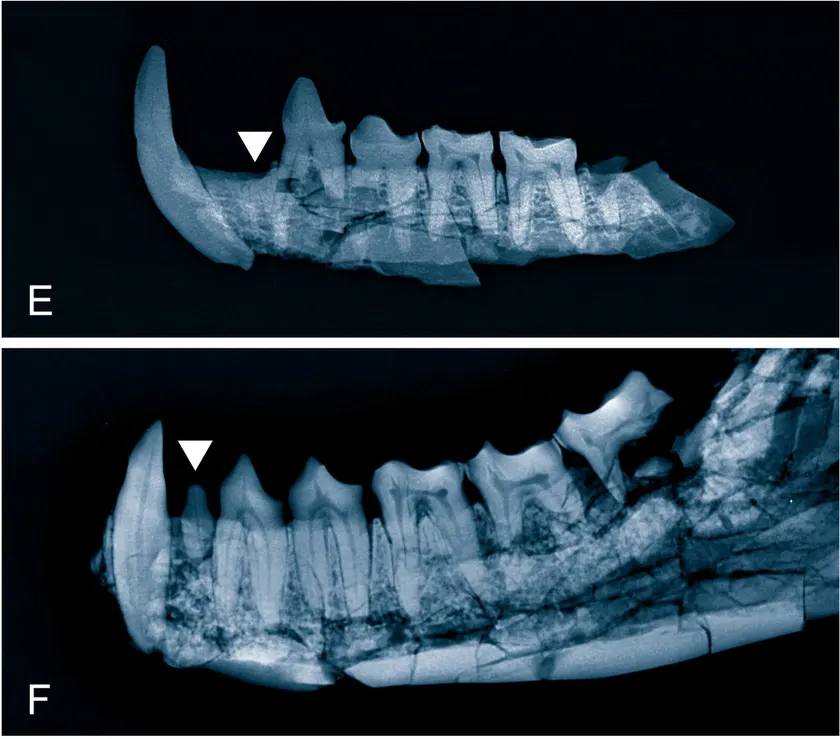
Scientists named Masripithecus moghraensis from jaws about 17 to 18 million years old. The Independent reported that the team argues North Africa mattered more in early ape history. The fossils are jaws, not a full skeleton.

Read the original
The reporting lives at The Independent. Our summary is checked against it, and we link it on every story.
Jaw bones from Egypt's Western Desert have been described as a new fossil ape, the first definite ape species known from North Africa. The Independent reported on November 2, 2026, that researchers at the Mansoura University Vertebrate Palaeontology Centre named it Masripithecus moghraensis. It lived about 17 to 18 million years ago, in the Early Miocene, and the fossils came from Wadi Moghra. The genus name joins Masr, an Arabic name for Egypt, with the Greek for ape. The species name marks the place.
Only jaws were found. They have a large canine and molars with rounded chewing surfaces. Author Shorouq Al-Ashqar told the paper, which said the study is in the journal Science, that the team reads the teeth as a flexible diet based mainly on fruit, with the ability to handle harder foods such as nuts or seeds when seasons demanded it. Co-author Erik Seiffert, of the University of Southern California, said he had long thought the common ancestor of living apes lived in or around East Africa, and that this fossil and the team's analysis challenge that idea.
The Independent's headline says the find could rewrite the human origin story. The evidence in the report is a set of jaws and an argument about geography. It is not a complete skeleton, and it does not place a human ancestor at the site. The news is a named ape from a region that had monkey fossils from the same age but, until now, no definite ape.
For the classroom
The Independent reported on November 2, 2026, that scientists named a fossil ape, Masripithecus moghraensis, from jaw bones found at Wadi Moghra in Egypt. It lived about 17 to 18 million years ago and is the first definite fossil ape from North Africa. The name uses an Arabic word for Egypt and a Greek word for ape. Only jaws were found. The teeth suggest fruit, and sometimes harder foods. Some scientists think North Africa mattered more for early apes than people assumed. That is an argument. The bones are not a whole skeleton.
- What can a jaw and its teeth tell you about what an animal ate?
- Why does one new fossil not finish the story of where apes came from?
- Where is Wadi Moghra, and what kind of place is a desert dig?
For a teacher to read with a class. Print the story of the day · Morning announcements · All classroom stories · This week's Good News Friday pack
More good news
Other stories in the same neighborhood of kindness.
 Science
A fossil crocodile from Cairo's limestone is a species of its own
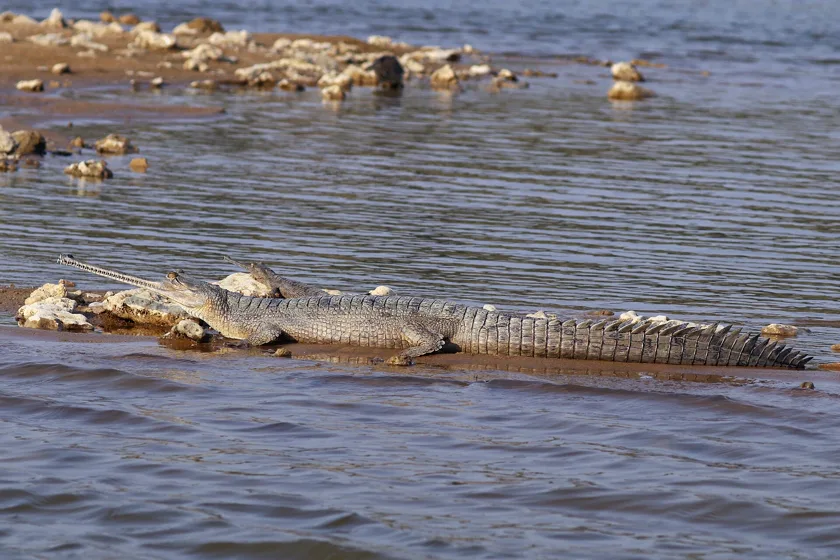
Researchers renamed a 45-million-year-old gavial from the same rock as the Great Sphinx after CT scans showed it was not the false gharial it had been called.
Verified · Smithsonian Magazine Animals
Three loggerhead turtles were released on the beach at Taba
South Sinai's protected-area teams took in three exhausted loggerheads, rehabilitated them, and returned them to the Gulf of Aqaba. Egypt's environment ministry said the release happened at Taba. The report does not say how long the care lasted.
Verified · Youm7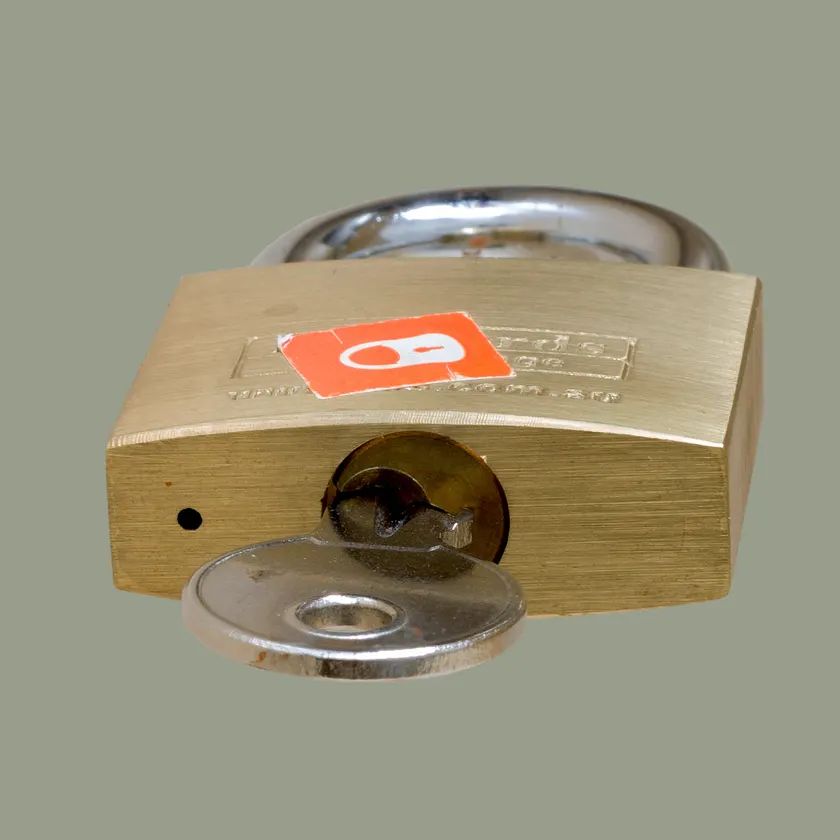 Science
A CT scanner read the four-letter code on a 1583 shipwreck padlock
The brass lock from the Ann Francis, wrecked off Port Talbot in 1583, opens to the letters A-N-C-E. Cardiff engineers found the combination inside the mechanism without forcing the rings.
Verified · BBC News