A CT scanner read the four-letter code on a 1583 shipwreck padlock
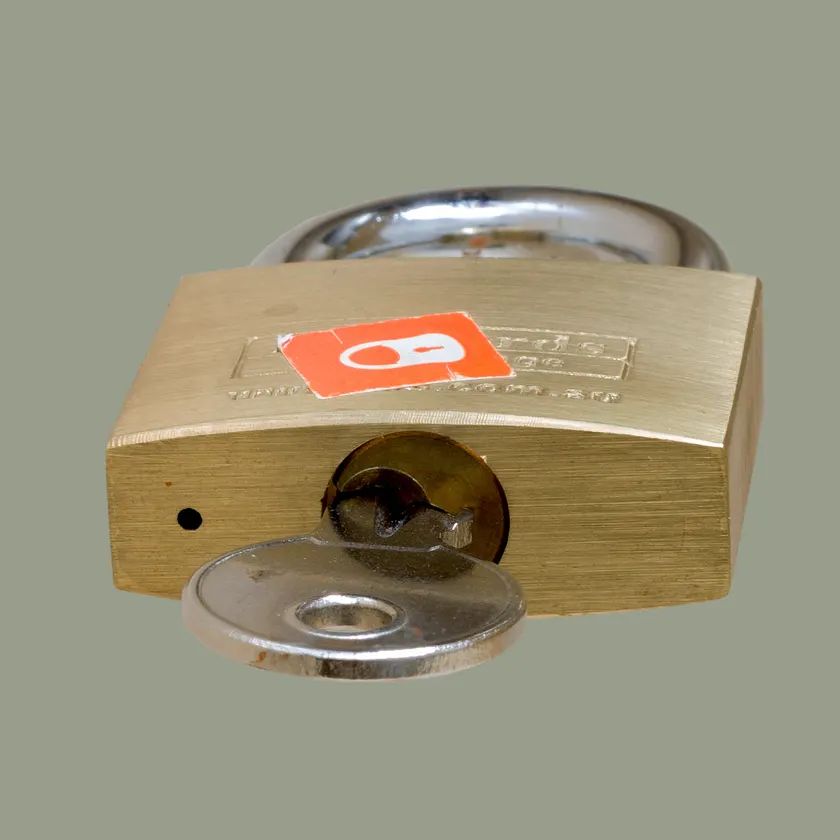
The brass lock from the Ann Francis, wrecked off Port Talbot in 1583, opens to the letters A-N-C-E. Cardiff engineers found the combination inside the mechanism without forcing the rings.

Read the original
The reporting lives at BBC News. Our summary is checked against it, and we link it on every story.
Engineers have read the combination on a brass padlock that came ashore with a 16th-century shipwreck. BBC Wales reported on November 3, 2026, and updated the story the next day, that the code is A-N-C-E. Peter Hughes, of Maesteg, found the lock in 1999 while detecting on Morfa beach near Margam, in Port Talbot, among Spanish silver coins from the Ann Francis. The ship was wrecked in a storm on December 28, 1583, on the way back from Spain. He tried the dials for about 20 years.
Dr David Williams, a research associate at Cardiff University's School of Engineering, used micro CT scanning, the sort of scan a hospital uses, scaled to a small object. A first scan showed letters. A second failed. A third showed the code. Senior curator Alastair Willis at Amgueddfa Cymru said four rings with six letters each make 1,296 combinations, and letters on the ends do not move and seem meant to mislead. Hughes gave the hoard to the museum in 2017. The lock has been on display at Swansea Waterfront Museum since July 2026.
Curator Siân Iles said the lock is in excellent condition and was probably for a small chest or box. What that box held is not known. The news is the combination and a lock that still works as it did. It is not a list of the cargo that was lost.
For the classroom
BBC Wales reported that engineers read the code on a brass padlock from a ship wrecked off Wales in 1583. Peter Hughes found the lock in 1999 on Morfa beach near Margam, with Spanish coins from the Ann Francis. He tried the rings for about 20 years. A Cardiff University team scanned the lock and found the letters inside. The code is A-N-C-E. There are 1,296 possible combinations, plus extra letters meant to fool a thief. The lock is on show in Swansea. Nobody knows what it once guarded.
- Why would a lock use letters that do not move, as well as letters that do?
- How can a scanner read a code without opening the lock?
- What is one thing this lock cannot tell us, even after the code is known?
For a teacher to read with a class. Print the story of the day · Morning announcements · All classroom stories · This week's Good News Friday pack
Port Talbot, United KingdomArchaeologySTEMGood news on November 7
More good news
Other stories in the same neighborhood of kindness.
 Science
A keeper found crown-tipped coral fungus on a log in Kent
Staff at Wildwood Trust near Canterbury spotted the fungus by the rabbit enclosure. It went 116 years without a confirmed British record before a 2012 sighting in Suffolk, and it is still rarely found.
Verified · BBC News Science
A Hatchmere study found a beaver enclosure held water through a drought
University of Liverpool researchers watched the Cheshire enclosure stay wet in July 2022 while the surrounding peat risked drying out. A pair that arrived in 2020 has since had seven kits. The paper is about that fenced site, not a new wild release.
Verified · BBC News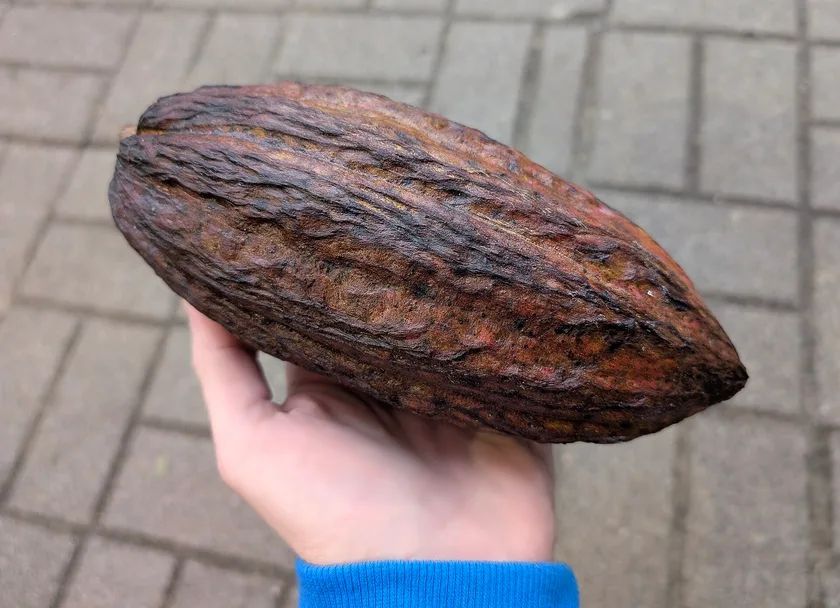 Science
A Reading student made six chocolate bars from cocoa grown on campus
Maha Khan used pods from the University of Reading's quarantine greenhouse, plus British milk and sugar. The greenhouse holds more than 300 kinds of cocoa and sends disease-free cuttings to breeding programs. The bars are a batch of six, not a new supply of chocolate.
Verified · Positive News