Fifty-three giant burrowing frogs went home to East Gippsland
Zoos Victoria raised tadpoles collected after the 2019-20 fires and bred the species in captivity for the first time. The 53 males released this spring were tagged, and song meters are listening for them.

Read the original
The reporting lives at The Guardian. Our summary is checked against it, and we link it on every story.
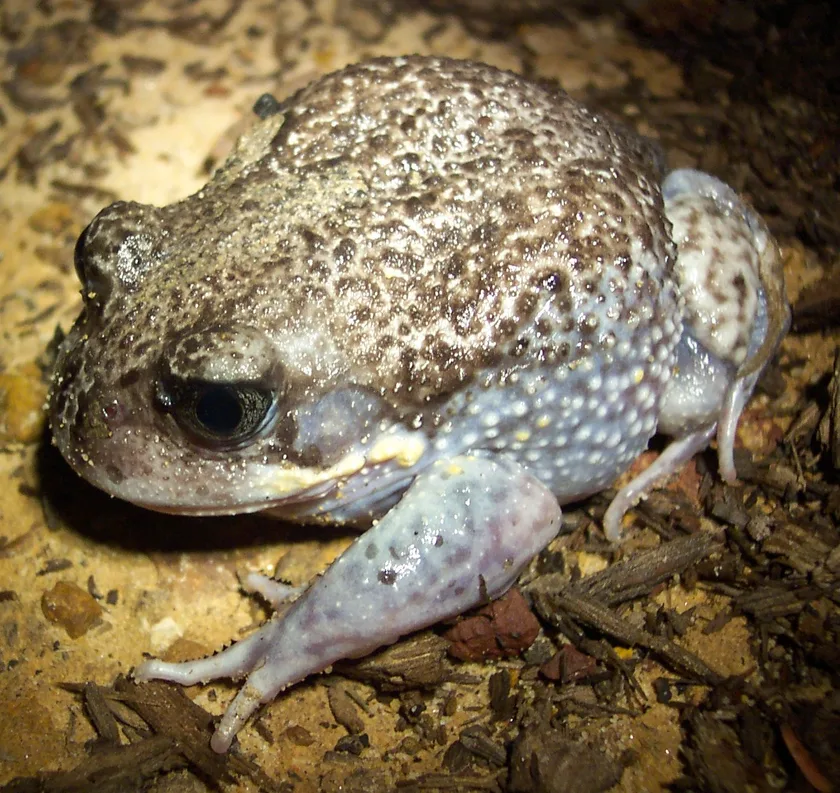
The Guardian reported on November 5, 2026, that 53 southern giant burrowing frogs have been returned to a remote part of East Gippsland. They began as tadpoles collected from puddles after the 2019-20 fires. About 160 tadpoles were taken to Melbourne Zoo, raised through metamorphosis, and the species was bred in captivity for the first time last year.
The frogs released now are males about five years old, from that original group. Ryan Moes, a specialist amphibian keeper at Zoos Victoria, said genetic testing showed some of the animals were siblings, so they were not kept for the breeding program. Those frogs were raised and sent back once they were healthy. Herpetologist Matt Clancy said the adults were released after recent thunderstorms, at sites that had received 80 to 100 millimetres of rain. Each frog was tagged, and song meters at the sites are set up to detect calls.
Clancy said the frogs spend much of their lives buried in sandy forest soil and surface to breed in temporary creeks and ponds when conditions are right. Tadpoles can take from three months to two years to become frogs. The Guardian reported that Victoria has only five known breeding sites for the southern giant burrowing frog, recognised as its own subspecies in 2021. The news is this release of 53 tagged males, and that first captive breeding. It is not a count of every frog still buried in the east of the state.
For the classroom
The Guardian reported that 53 southern giant burrowing frogs went back to the wild in East Gippsland, Victoria. They started as tadpoles collected from puddles after bushfires in 2019 and 2020. Keepers at Melbourne Zoo raised them, and the frogs bred in human care for the first time last year. The 53 animals released now are males about five years old. They went out after big rains. Each frog has a tag, and recorders will listen for their calls. These frogs spend much of their lives underground and come up to breed when the weather is right. Victoria has only five known places where this kind of frog breeds.
- Why might a frog that lives underground wait for rain before it breeds?
- What is one way scientists can tell whether the released frogs are still nearby?
For a teacher to read with a class. Print the story of the day · Morning announcements · All classroom stories · This week's Good News Friday pack
East Gippsland, AustraliaWildlife conservationParksGood news on November 5
More good news
Other stories in the same neighborhood of kindness.
 Animals
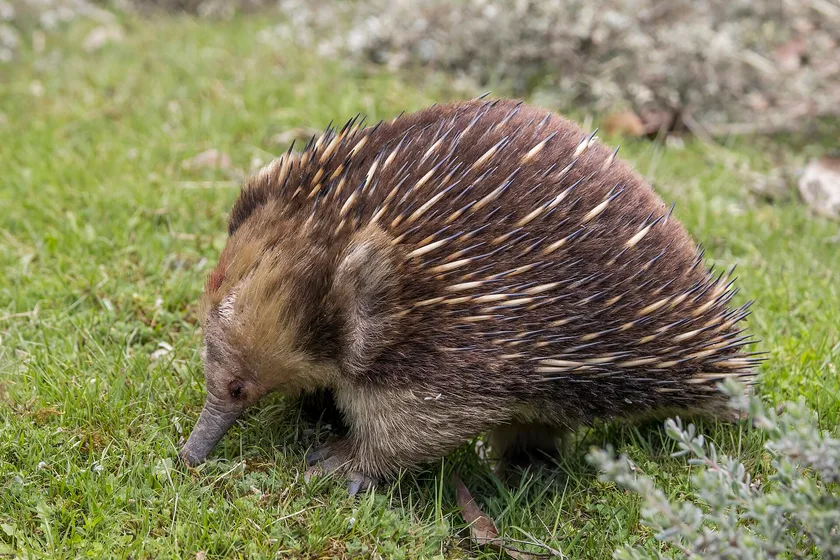
Echidnas are turning up again on Aboriginal-owned Lungtalanana
A ranger found one in a cat trap in September, the first echidna seen in person on the island in decades. Trail cameras have now recorded them at four places. A specialist said he would be surprised if the island held fewer than a dozen.
Verified · ABC News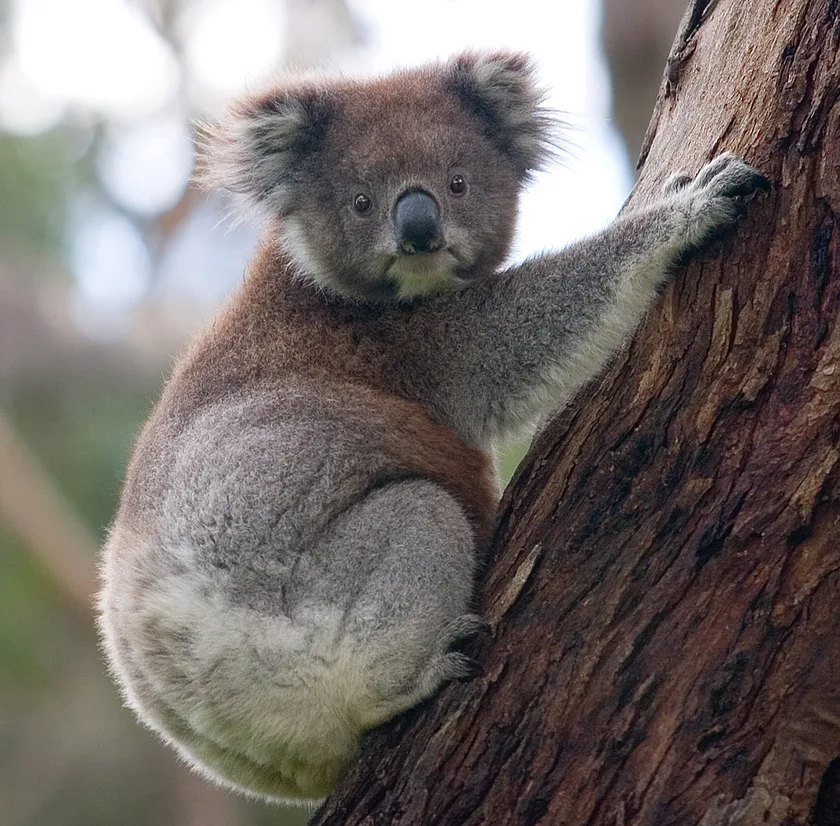 Animals
Surveys near Newcastle point to a large koala population with no chlamydia found
University of Newcastle researchers estimate about 2,300 koalas in the Sugarloaf-Stockrington reserve. Scat tests on 27 animals, and clinic records for 27 more nearby, showed no chlamydia. A pathologist says that is not proof the whole pocket is free of it.
Verified · ABC News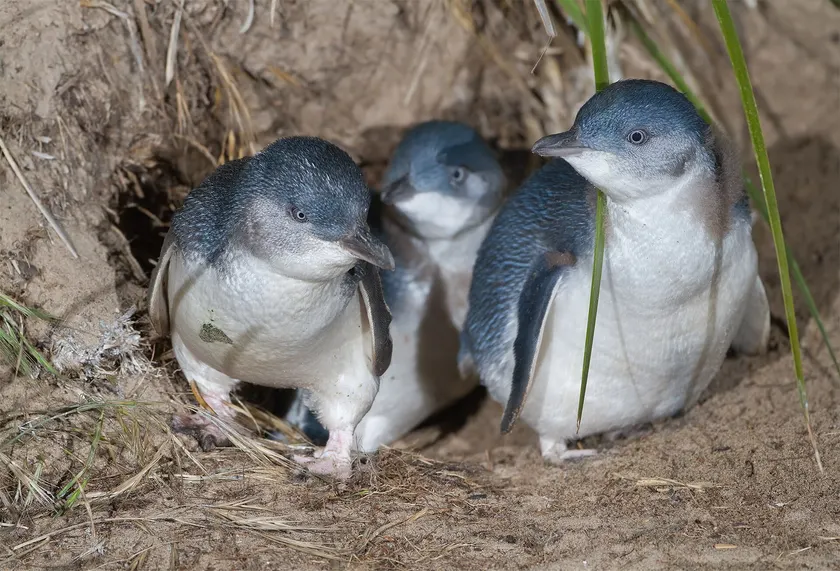 Animals
Volunteers counted 46 little penguins on Granite Island
The Friday census found 10 more adults than last year. The colony is still a fraction of the thousand birds that lived there before 2012.
Verified · ABC News