Surveys near Newcastle point to a large koala population with no chlamydia found
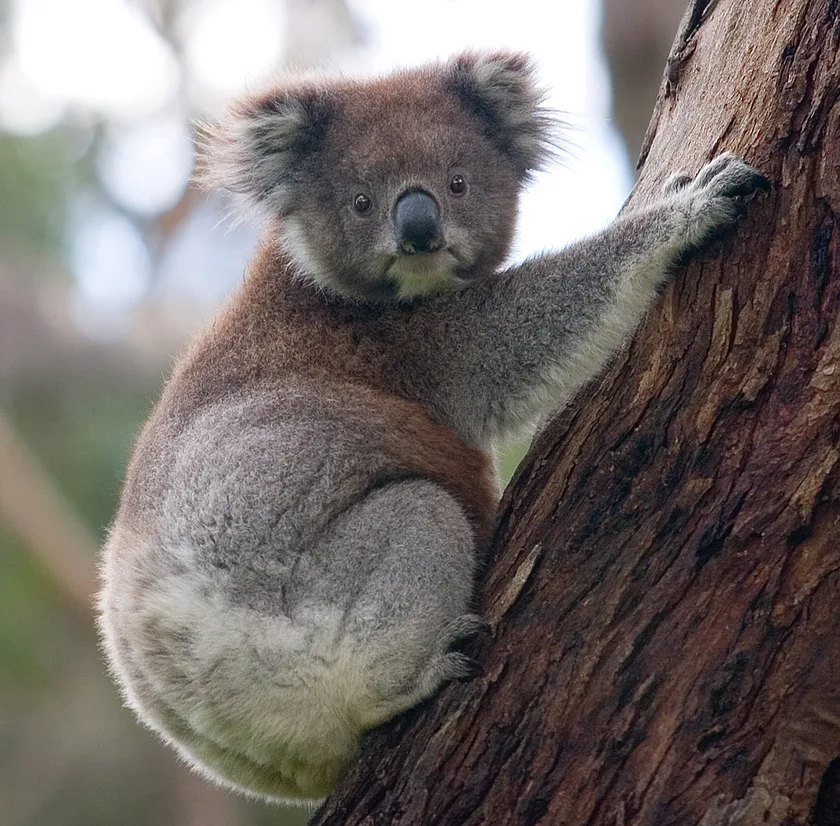
University of Newcastle researchers estimate about 2,300 koalas in the Sugarloaf-Stockrington reserve. Scat tests on 27 animals, and clinic records for 27 more nearby, showed no chlamydia. A pathologist says that is not proof the whole pocket is free of it.

Read the original
The reporting lives at ABC News. Our summary is checked against it, and we link it on every story.
ABC News reported on November 5, 2026, that a University of Newcastle team has found no chlamydia in koala samples from the Sugarloaf-Stockrington State Conservation Area, about a 35-minute drive from Newcastle. Researcher Ryan Witt said drone surveys and modelling in 2026 point to about 2,300 koalas in that landscape. A late-2025 check had confirmed 292 animals. The larger figure is an estimate, not a head count of every koala.
Witt said the team, with Gamilaraay and Wiradjuri tracker Daryn McKenny as Aboriginal lead, has spent more than 250 nights surveying across 23,900 hectares since 2020, using thermal drones and trail cameras. After seeing more joeys on footage in 2026, they tested fresh scats from 27 wild koalas. The samples went to the University of the Sunshine Coast. None showed chlamydia at the time of testing. A review of rescue and clinic records from October 2022 through September 2026 also found no chlamydia among a further 27 koalas within 30 kilometres.
University of Sydney pathologist Mark Krockenberger, who has studied koala disease for 20 years, said only three other New South Wales populations appear free of the infection, and that genetic testing near Newcastle looks promising. He also said no survey can be certain the pocket is entirely free of disease, and that animals moving west of the Pacific Highway could meet populations that do have it. Witt said the koalas may have low genetic diversity after a long isolation, and he has asked the state to protect more habitat, add exclusion fencing, and keep testing. The news is the survey, the estimate, and those negative tests. It is not a guarantee that every koala in the reserve is healthy.
Newcastle, AustraliaWildlife conservationIndigenous communitiesGood news on November 5
More good news
Other stories in the same neighborhood of kindness.
 Animals
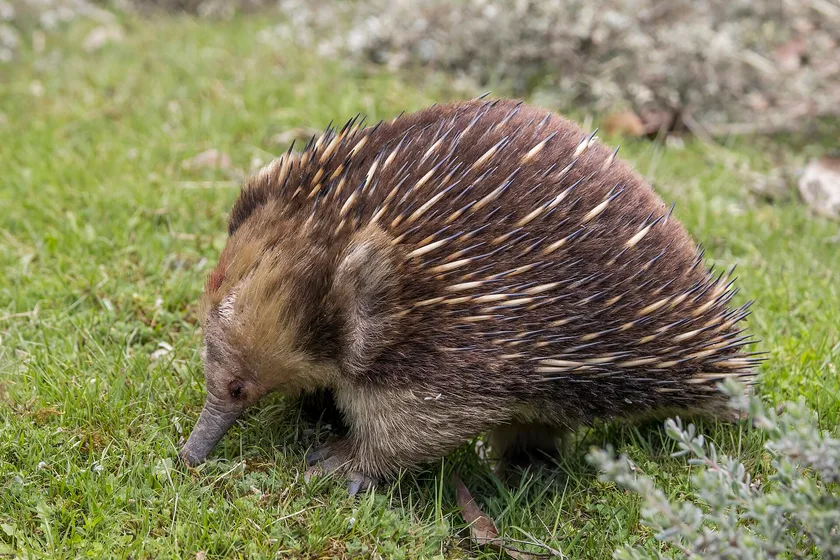
Echidnas are turning up again on Aboriginal-owned Lungtalanana
A ranger found one in a cat trap in September, the first echidna seen in person on the island in decades. Trail cameras have now recorded them at four places. A specialist said he would be surprised if the island held fewer than a dozen.
Verified · ABC News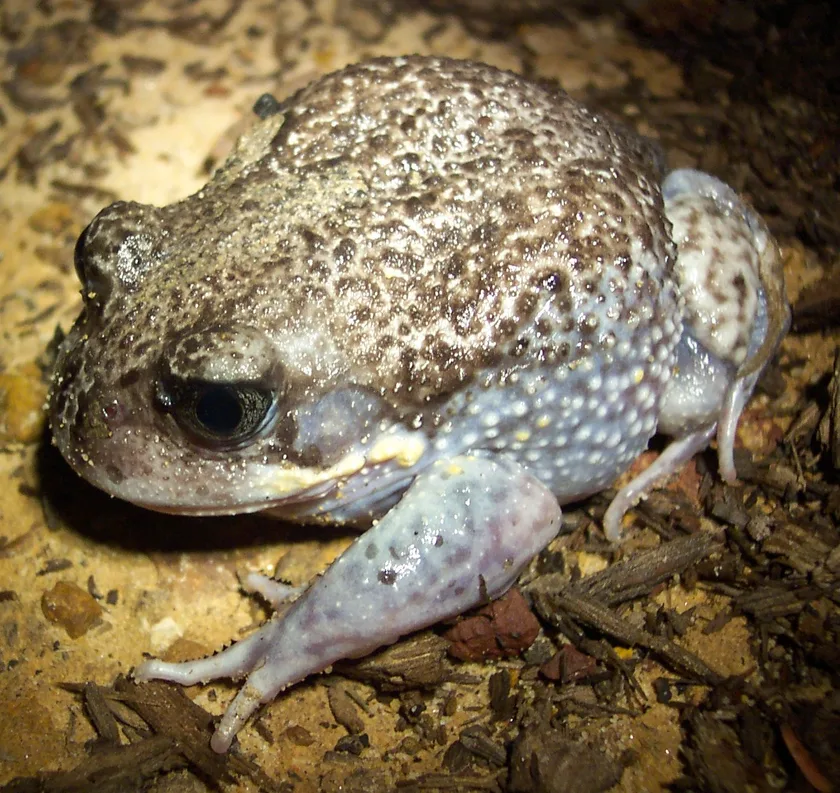 Animals
Fifty-three giant burrowing frogs went home to East Gippsland
Zoos Victoria raised tadpoles collected after the 2019-20 fires and bred the species in captivity for the first time. The 53 males released this spring were tagged, and song meters are listening for them.
Verified · The Guardian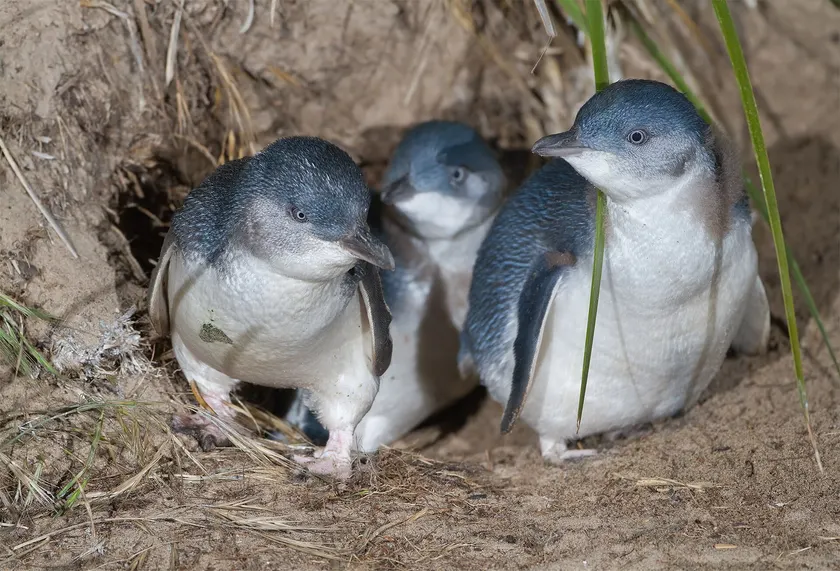 Animals
Volunteers counted 46 little penguins on Granite Island
The Friday census found 10 more adults than last year. The colony is still a fraction of the thousand birds that lived there before 2012.
Verified · ABC News