A scarce damselfly showed up on a restored stretch of the River Ash
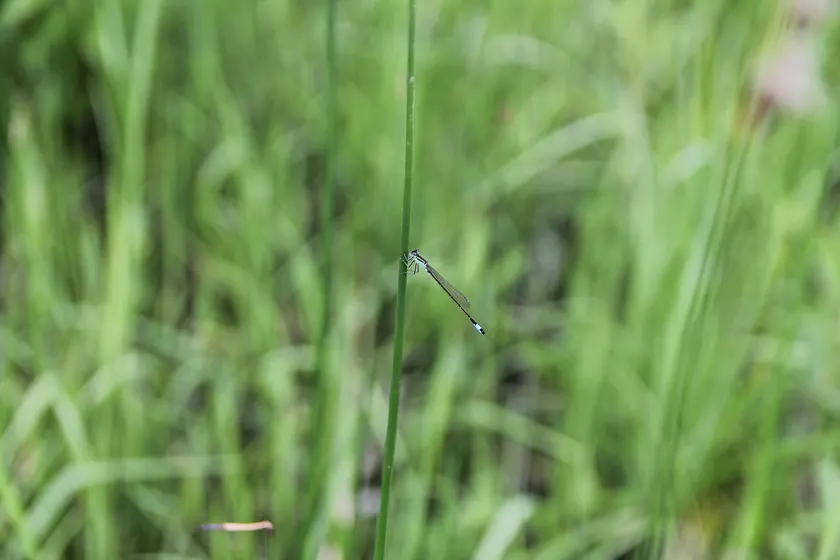
The scarce blue-tailed damselfly, now classed as endangered in Britain, was recorded at two sites on a chalk river near Hertford that volunteers helped replant.

Read the original
The reporting lives at BBC News. Our summary is checked against it, and we link it on every story.
A scarce blue-tailed damselfly has been recorded on wetlands beside the River Ash near Hertford. BBC News reported the sighting on November 1, 2026. The insect turned up at two monitoring sites close together, in late summer, along a stretch the Herts and Middlesex Wildlife Trust calls a restored chalk river.
About 7 kilometres, or 4.3 miles, at the Easneye Estate was returned to its old course last year. The trust said the work took seven years, and volunteers planted foliage around the site. The River Ash is one of about 260 chalk rivers in the world. New gravel beds are already being used by spawning brown trout, and checks before and after the restoration found more river insects, including mayflies and stoneflies.
A new British Dragonfly Society red-list review moved the scarce blue-tailed damselfly from near threatened to endangered. Eight dragonfly and damselfly species are now classed as endangered, twice the number in the 2008 assessment. The trust said that for species under pressure, making and restoring habitat is vital. The news is this sighting on a repaired river. It is not a new national population figure.
For the classroom
A scarce blue-tailed damselfly has been seen beside the River Ash near Hertford, England. BBC News reported it on November 1, 2026. The river is a chalk river, a rare clear stream. About 7 kilometres of it was put back on its old course last year after seven years of work. Volunteers planted around the new wetlands. Surveyors found the damselfly at two spots in late summer. A new British list now calls this damselfly endangered. Brown trout are laying eggs on new gravel, and more insects are in the water. This is one restored stretch, not a count of every damselfly.
- What can a damselfly tell you about a river that a person standing on the bank might miss?
- Why would putting a river back on its old course take seven years?
For a teacher to read with a class. Print the story of the day · Morning announcements · All classroom stories · This week's Good News Friday pack
Hertford, United KingdomWildlife conservationRiversGood news on November 1
More good news
Other stories in the same neighborhood of kindness.
 Animals
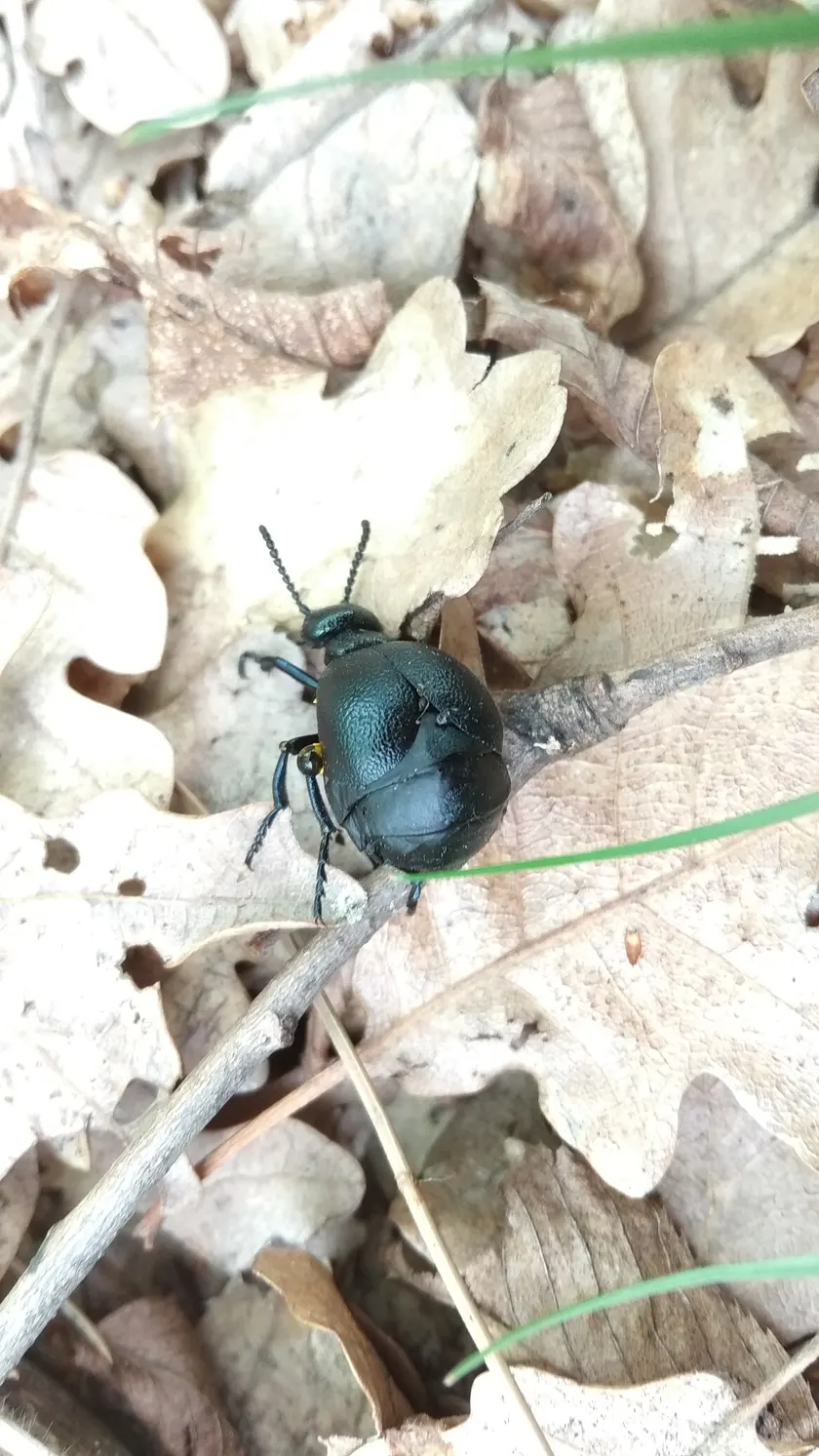
A rare oil beetle is breeding again at Castlemartin after nearly 60 years
This year's survey at the Pembrokeshire range found oil-beetle larvae after two earlier searches turned up only dead adults. About one in 10,000 larvae usually reach adulthood.
Verified · The Guardian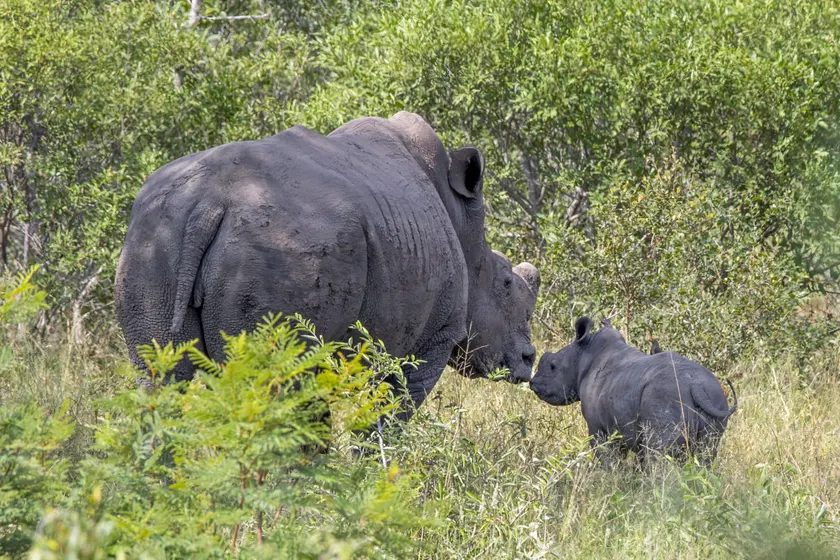 Animals
Rhino siblings Markus and Mo turned one with carrot cakes
The calves, born at Cotswold Wildlife Park near Burford, have grown from about 70 kilograms to about 500 kilograms each. The park now has nine rhinos, the most in its 56 years.
Verified · BBC News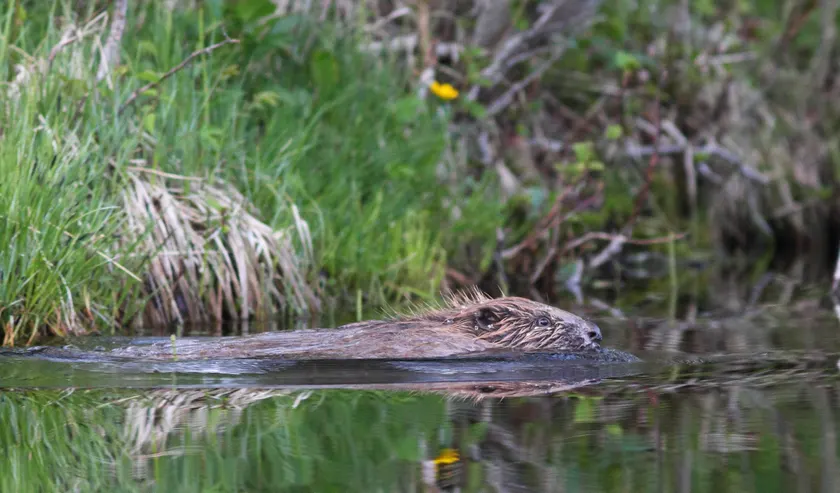 Animals
Beavers are approved to return to the River Ness after 500 years
NatureScot licensed Trees for Life and the Beaver Trust to release up to 15 beavers over three years around Loch Ness. The animals are not in the water yet.
Verified · BBC News