Australia has a field guide to 141 kinds of lanternfish
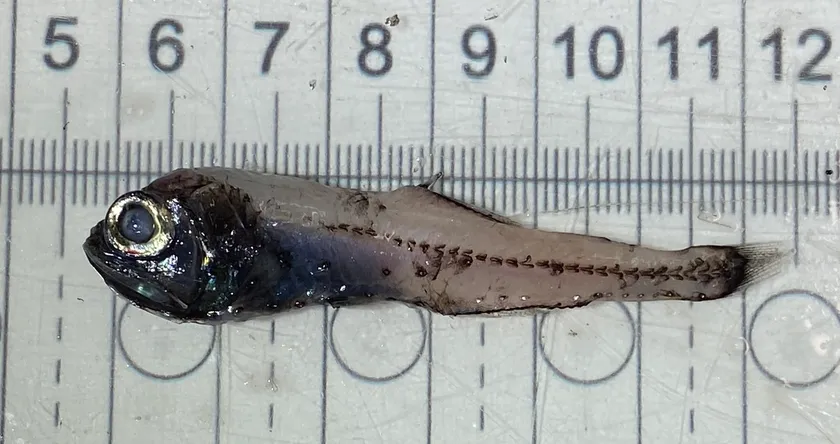
CSIRO researchers published illustrated keys, through the Australian Museum, to 30 genera and 141 species in Australian waters. The fish make their own light and rise toward the surface after dark.

Read the original
The reporting lives at Phys.org. Our summary is checked against it, and we link it on every story.
Researchers in Australia published illustrated keys to the lanternfishes in the country's waters, Phys.org reported on November 20, 2026. The paper, in Technical Reports of the Australian Museum, covers 30 genera and 141 species inside Australia's exclusive economic zone. CSIRO's account says no region-wide guide had existed for naming them to species. Worldwide there are at least 254 lanternfish species, in every ocean from the Arctic to the Antarctic.
They are small. The largest reach about 280 millimetres and the smallest about 25. Light organs called photophores dot the body and head, and the arrangement of those spots is the most useful way to tell species apart. Most lanternfishes live at 200 to 1,000 metres, in the dim mesopelagic zone. The lights are thought to signal, to find food or a mate, and to break up a silhouette against faint light from above. Many species also swim up toward the surface at night and back down by day. The article calls that the largest daily migration of any animal.
The same piece cites an estimate of about 5 gigatonnes for lanternfish biomass worldwide, roughly 50 times the annual commercial catch of all marine species. That figure is presented as an existing estimate, not a new weighing from this guide. Tuna, penguins, albatrosses, seals, whales, and dolphins eat them. The news is a key that lets other people name the fish they already catch in nets and surveys. It is not a claim that the populations have grown.
For the classroom
Phys.org reported on November 20, 2026, that Australian scientists published a picture guide to lanternfishes. These small ocean fish make light with spots called photophores. Each kind has its own pattern of spots, which is how people tell them apart. The guide covers 141 species around Australia, in 30 groups. At least 254 kinds live worldwide. Most stay about 200 to 1,000 metres down, where sunlight is faint, and many swim upward at night. Tuna, penguins, seals, and whales eat them. The guide helps name the fish. It does not say there are more of them than before.
- How do the light spots help a scientist tell one lanternfish from another?
- Why might a fish that lives in the dark swim up toward the surface at night?
For a teacher to read with a class. Print the story of the day · Morning announcements · All classroom stories · This week's Good News Friday pack
Hobart, AustraliaSTEMWildlife conservationGood news on November 20
More good news
Other stories in the same neighborhood of kindness.
 Science
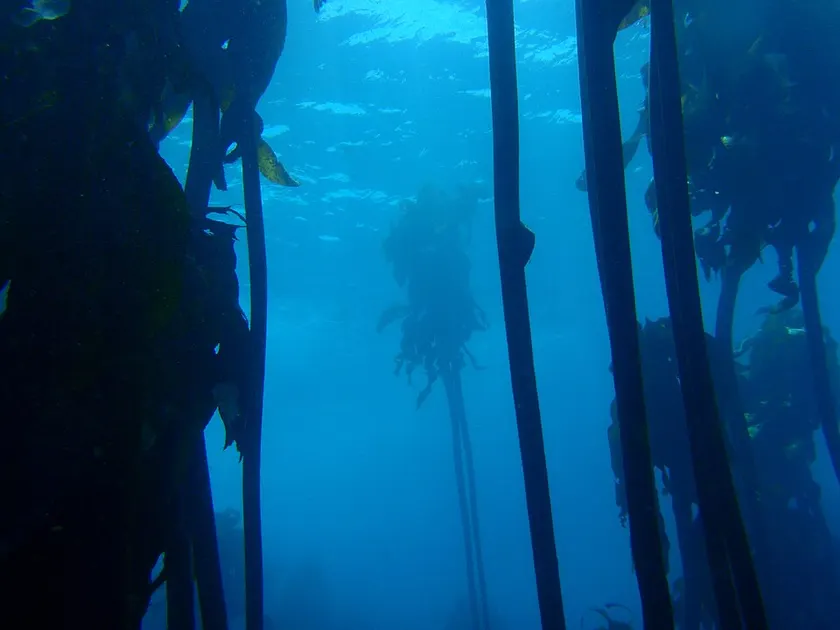
Deep seaweed forests off Lord Howe Island have spread 22-fold
Phys.org reported a study that found adult Sargassum howeanum, missing for 90 years, in forests 20 to 38 metres down. Why the forests grew is still an open question.
Verified · Phys.org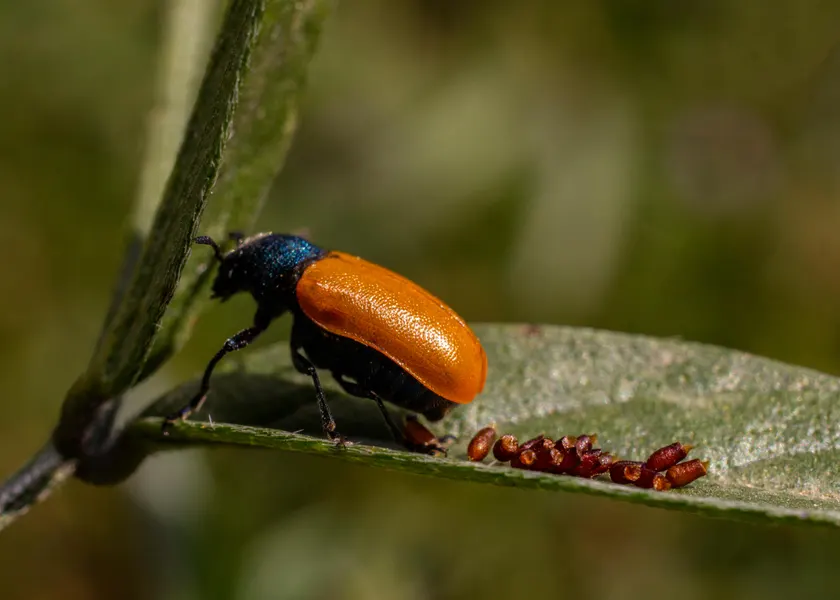 Science
Insects are returning on two islands where the rats and mice are gone
The Conversation reported that invertebrates are more numerous on Macquarie Island and Antipodes Island after rats, mice, and, on Macquarie, rabbits were removed.
Verified · The Conversation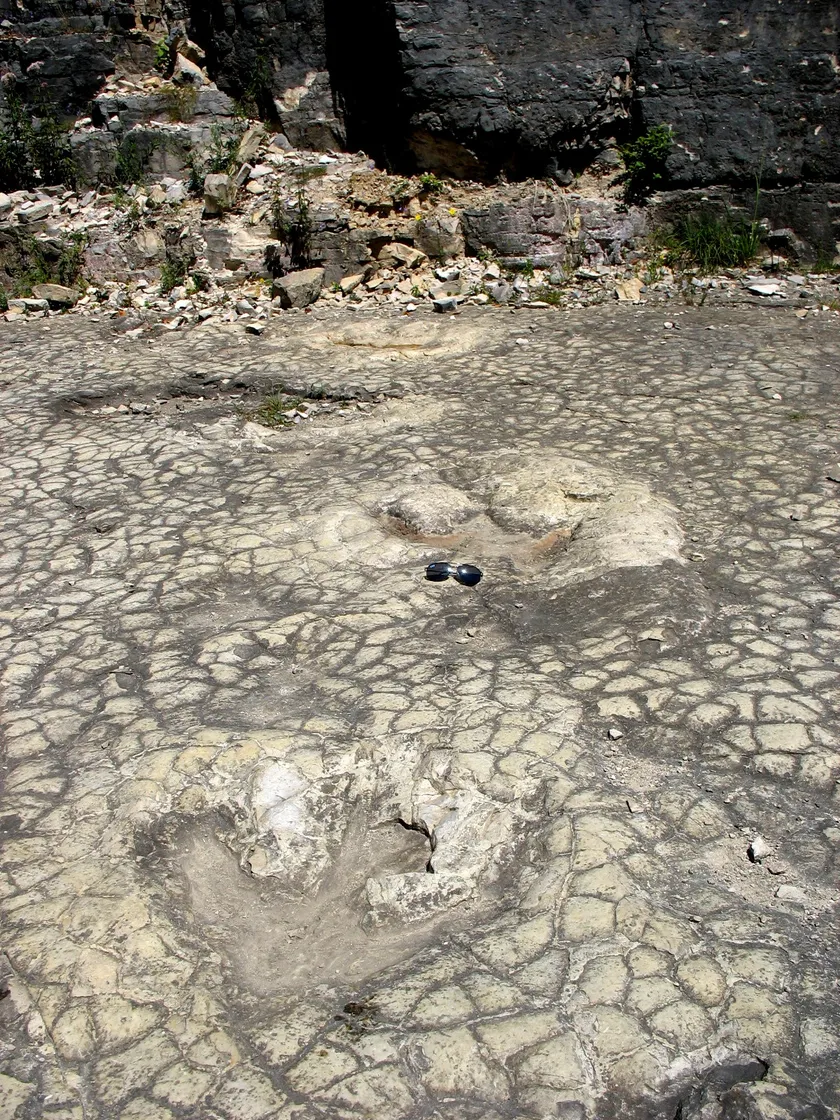 Science
Sandstone from Brisbane's old quarry still holds dinosaur footprints
ABC News reported that two pieces of stone from Petrie's Quarry, the pit that built much of the old city, show tracks of a two-legged sauropodomorph.
Verified · ABC News