Karumba's barramundi hatchery sent 3,000 fingerlings into gulf wetlands
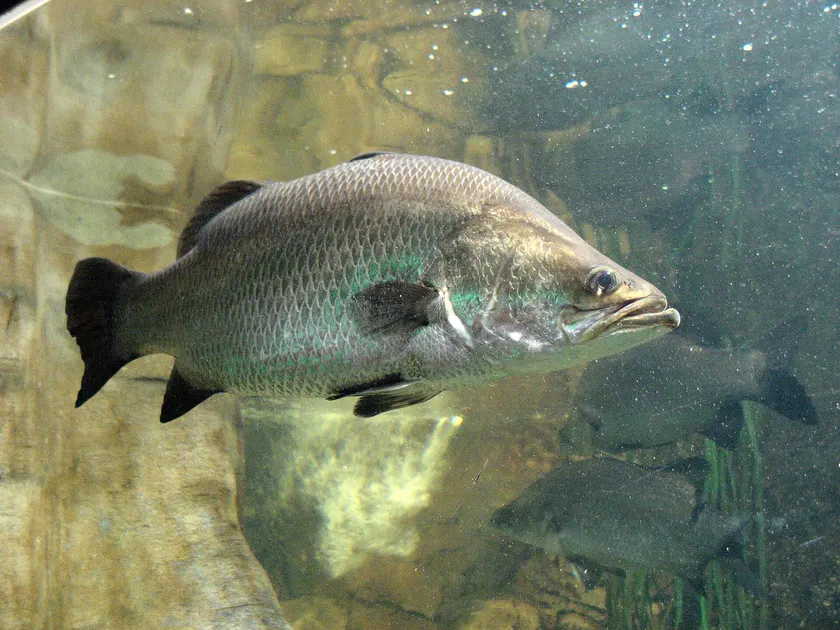
ABC News reported that the Les Wilson Barramundi Discovery Centre reared and released baby barramundi for the first time in more than five years, using Southern Gulf broodstock.

Read the original
The reporting lives at ABC News. Our summary is checked against it, and we link it on every story.
The Les Wilson Barramundi Discovery Centre in Karumba released 3,000 fingerlings into local wetlands last week, the first baby barramundi the Gulf hatchery has reared in more than five years. ABC News reported the release on November 22, 2026. The centre, a draw for the small town, shows visitors how fish are raised and put back to replace fish that anglers take. It had not produced a single barramundi since 2020.
Carpentaria Shire Mayor Jack Bawden said the council took over the hatchery in 2012, after commercial fishers had run it, and that staffing trouble followed. Late last year the council put David Hammann, a former commercial fisher on staff, in charge even though he had no formal aquaculture training. He told ABC he spent a year trying tank sizes, new broodstock, and what he called local secrets. The parents are wild Southern Gulf barramundi, a stock distinct from east-coast fish. Hammann said females are checked for egg size before hormone injections and spawning.
He has a permit to release up to 100,000 into the Norman River and another 100,000 near Burketown, and he hopes to fill those numbers next season. Before 2020 the centre also sold low-cost fingerlings to fishing groups stocking lakes at Mount Isa and Cloncurry. Bawden called 3,000 a real improvement on zero. The news is this release. It is not those larger quotas, and it does not say how many of the 3,000 will survive.
For the classroom
ABC News reported on November 22, 2026, that a hatchery in Karumba, in northern Queensland, released 3,000 baby barramundi into local wetlands. The Les Wilson Barramundi Discovery Centre had not reared a single baby barramundi since 2020. Manager David Hammann, a former commercial fisher, tried different tanks and new parent fish for about a year. The parents are wild barramundi from the Southern Gulf of Carpentaria, a different stock from east-coast fish. These 3,000 are the fish released last week. A larger permit is for later, not this batch.
- Why would a hatchery use parent fish from the same gulf it releases babies into?
- What is one animal in a river or lake near you that people try to keep plentiful?
For a teacher to read with a class. Print the story of the day · Morning announcements · All classroom stories · This week's Good News Friday pack
Karumba, AustraliaWildlife conservationRiversGood news on November 22
More good news
Other stories in the same neighborhood of kindness.
 Animals
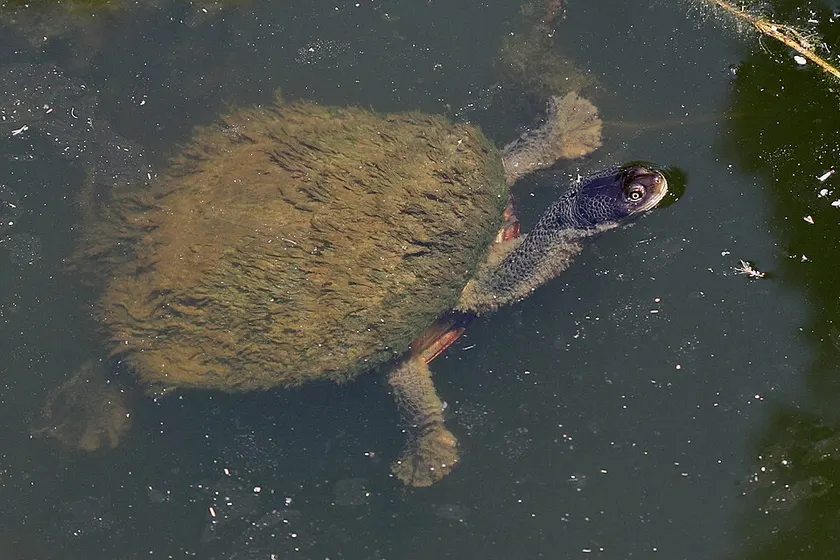
Volunteers have saved 3,082 freshwater turtles on Australian roads
ABC News reported that a citizen project has logged nearly 38,000 turtle records and protected 2,468 nests. The million in its name is a projection, not a census.
Verified · ABC News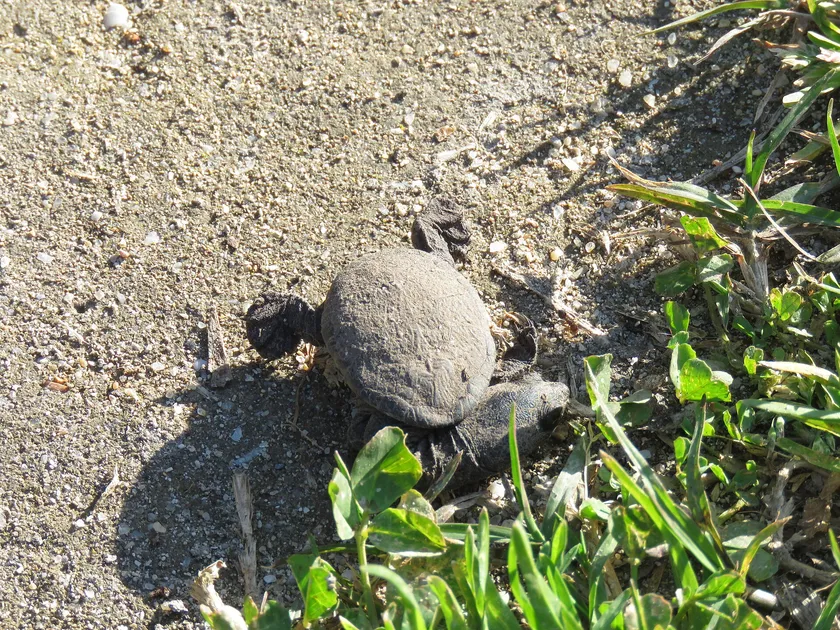 Animals
A lab-hatched snake-necked turtle grew up in a Perth wetland
Murdoch University researchers recaptured a southwestern snake-necked turtle at Manning Lake that had weighed 4.77 grams at release in July 2025. In October 2026 it weighed 100 grams.
Verified · Phys.org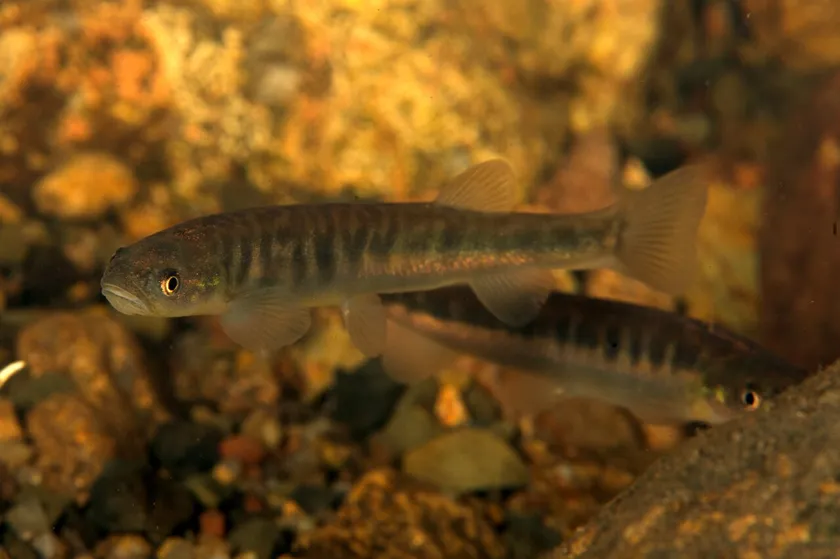 Animals
Captive-bred stocky galaxias are surviving in Snowy Mountains streams
Charles Sturt University said the species had never been spawned in captivity before. Field crews later recaptured 10 healthy adults from an earlier release, and about 250 juveniles went out in the largest release yet.
Verified · Charles Sturt University