A lab-hatched snake-necked turtle grew up in a Perth wetland
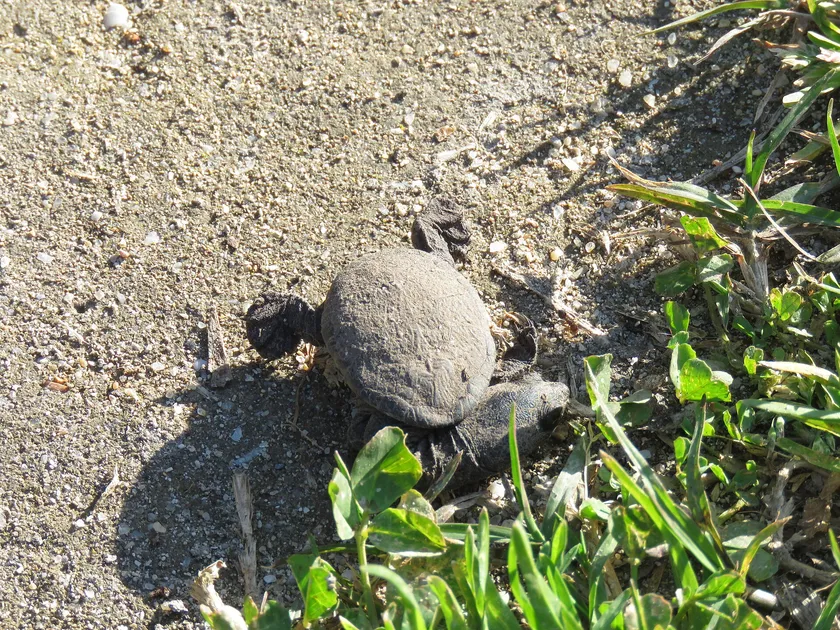
Murdoch University researchers recaptured a southwestern snake-necked turtle at Manning Lake that had weighed 4.77 grams at release in July 2025. In October 2026 it weighed 100 grams.

Read the original
The reporting lives at Phys.org. Our summary is checked against it, and we link it on every story.
A southwestern snake-necked turtle hatched in a lab and released at Manning Lake was caught again more than a year later, Phys.org reported on November 20, 2026, from work at Murdoch University. During annual surveys in October, doctoral researcher April Sturm and Anthony Santoro matched the juvenile to photographs of an animal they had incubated and released in July 2025. It weighed 4.77 grams then. It weighed 100 grams when it came back up in the net.
Sturm said juvenile turtles are rare in Perth's urban wetlands, so she checks every young one against her photos. Trackers cannot stay on a hatchling for long, which is why a recapture is the first confirmation that an artificially incubated animal of this species lasted more than a year in the wild. Santoro said many of those wetlands still have adults and almost no young to replace them, and that this turtle lives only in southwestern Australia.
The pair called the find encouraging and also a last resort. Incubation in a lab does not replace habitat, and they want more recaptures before anyone treats one survivor as a restored population. The project is supported by Saving Our Snake-Necked Turtle, the City of Cockburn, and the Ecological Society of Australia. The news is this one identified turtle, not a count of how many of its siblings are still out there.
For the classroom
Phys.org reported on November 20, 2026, that Murdoch University researchers caught a turtle they already knew. It is a southwestern snake-necked turtle, found only in southwest Western Australia. They hatched it in a lab and released it at Manning Lake, in Perth, in July 2025, when it weighed 4.77 grams. In October 2026 it weighed 100 grams. Shell photos showed it was the same animal. A hatchling is too small for a long-term tracker, so this recapture is the first proof one lasted more than a year. One turtle is encouraging. It does not yet show that many lab-hatched turtles survive.
- Why was a photograph enough to recognize this turtle a year later?
- Why might a scientist say that hatching eggs in a lab should be a last resort?
For a teacher to read with a class. Print the story of the day · Morning announcements · All classroom stories · This week's Good News Friday pack
Perth, AustraliaWildlife conservationAnimal rescueGood news on November 20
More good news
Other stories in the same neighborhood of kindness.
 Animals
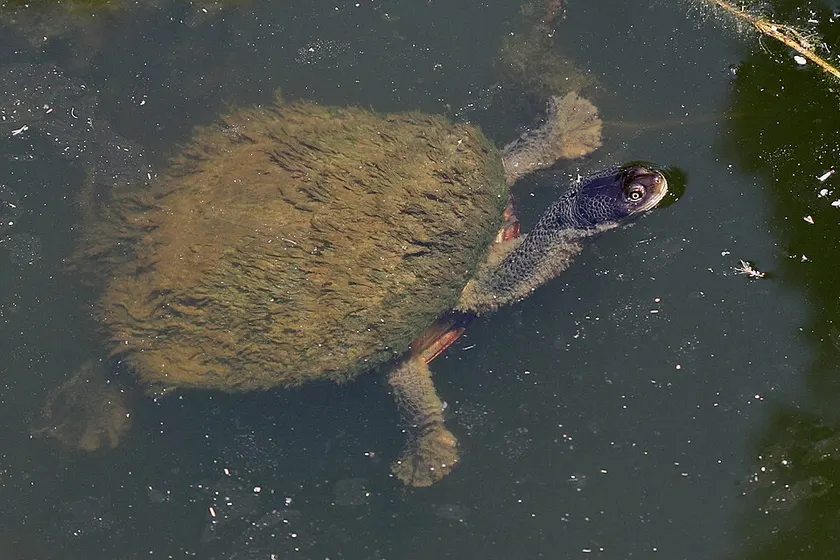
Volunteers have saved 3,082 freshwater turtles on Australian roads
ABC News reported that a citizen project has logged nearly 38,000 turtle records and protected 2,468 nests. The million in its name is a projection, not a census.
Verified · ABC News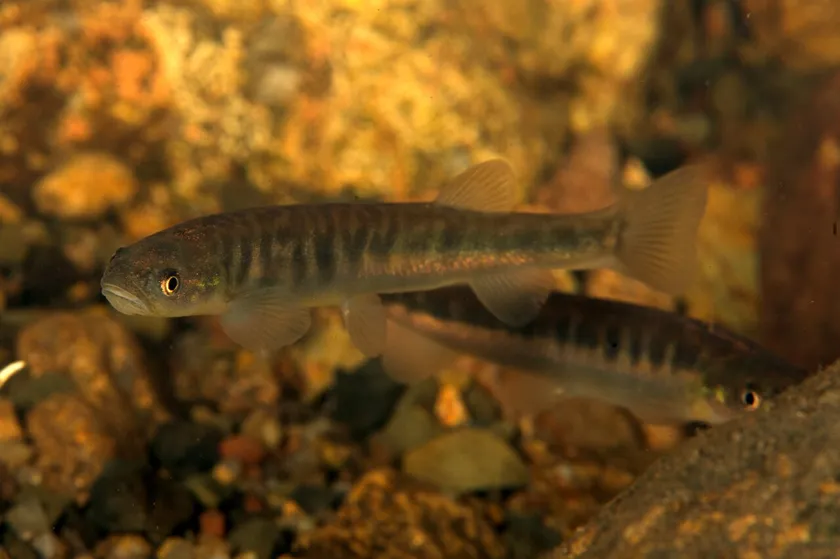 Animals
Captive-bred stocky galaxias are surviving in Snowy Mountains streams
Charles Sturt University said the species had never been spawned in captivity before. Field crews later recaptured 10 healthy adults from an earlier release, and about 250 juveniles went out in the largest release yet.
Verified · Charles Sturt University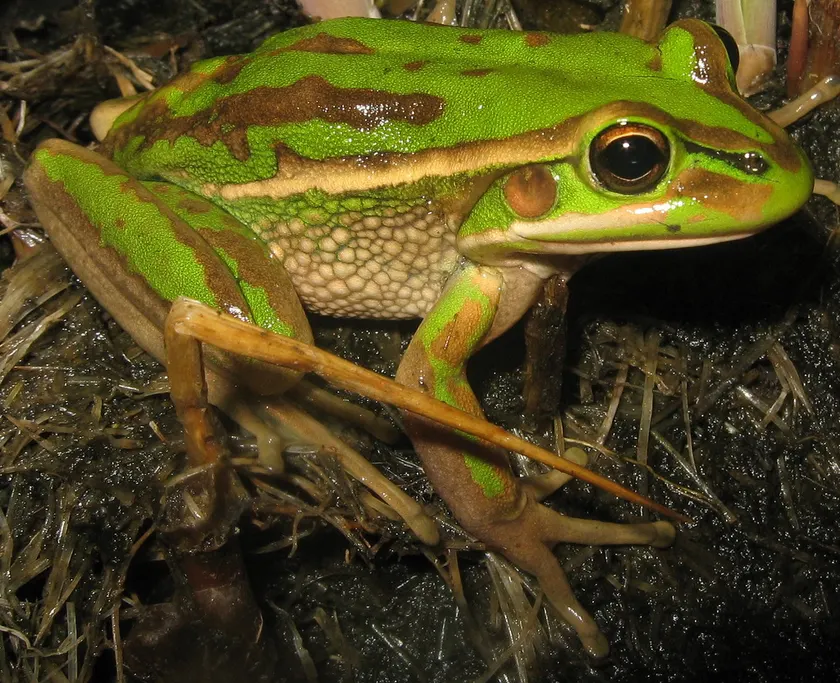 Animals
Green and golden bell frogs are back in the ponds at Carwoola
University of Canberra researchers released the frogs at their last upland stronghold on November 17. The count of animals let go was not published, and it is too soon to know if they will breed there.
Verified · University of Canberra