Kodiak recyclers are turning Alaska beach trash into reusable granules
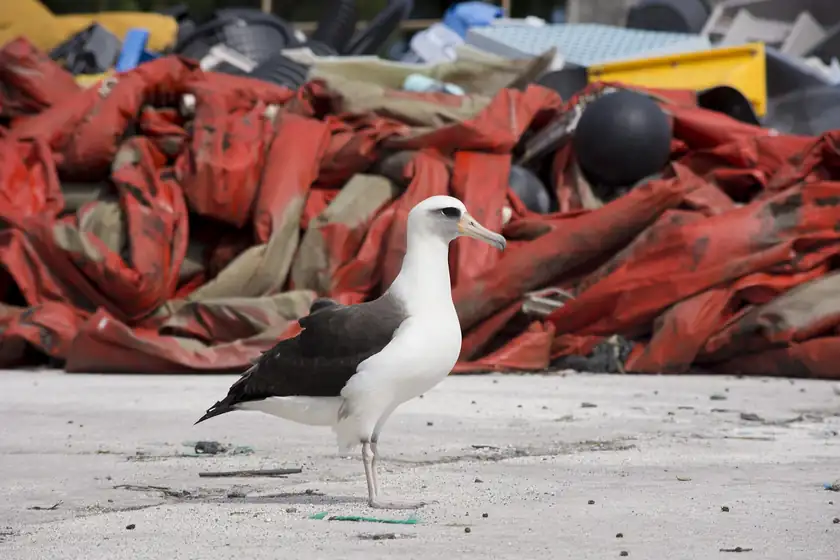
The Ocean Plastics Recovery Project removed 116,330 pounds of debris from Kayak Island in 2024 and about 65,000 pounds in 2025, then sorts it into about 100 categories in Kodiak.

Read the original
The reporting lives at Alaska Native News (Alaska Sea Grant). Our summary is checked against it, and we link it on every story.
The Ocean Plastics Recovery Project is giving marine debris a second use in Kodiak, Alaska Native News reported, drawing on Alaska Sea Grant. Crews removed 116,330 pounds from Kayak Island in 2024 and about 65,000 pounds in 2025.
At the Kodiak Innovation Center the plastic is sorted into about 100 categories and turned into reusable granules. Those weights are the island cleanups. The sorting is the step that makes the debris usable again instead of another pile on a beach.
For the classroom
People in Kodiak, Alaska, are giving trash from the ocean a second life. The Ocean Plastics Recovery Project took 116,330 pounds of debris off Kayak Island in 2024 and about 65,000 pounds in 2025. At the Kodiak Innovation Center they sort the plastic into about 100 categories and turn it into granules that can be used again. Granules are small bits of plastic ready to be made into something new. The pounds are what came off that island, and the sorting happens in Kodiak.
- Why does plastic on a beach need to be sorted into so many types?
- What can recycled plastic granules become?
- Why would trash from one island be brought to a town to be recycled?
For a teacher to read with a class. Print the story of the day · Morning announcements · All classroom stories · This week's Good News Friday pack
Kodiak, AlaskaCleanupsWildlife conservationParksGood news on November 6
More good news
Other stories in the same neighborhood of kindness.
 Science
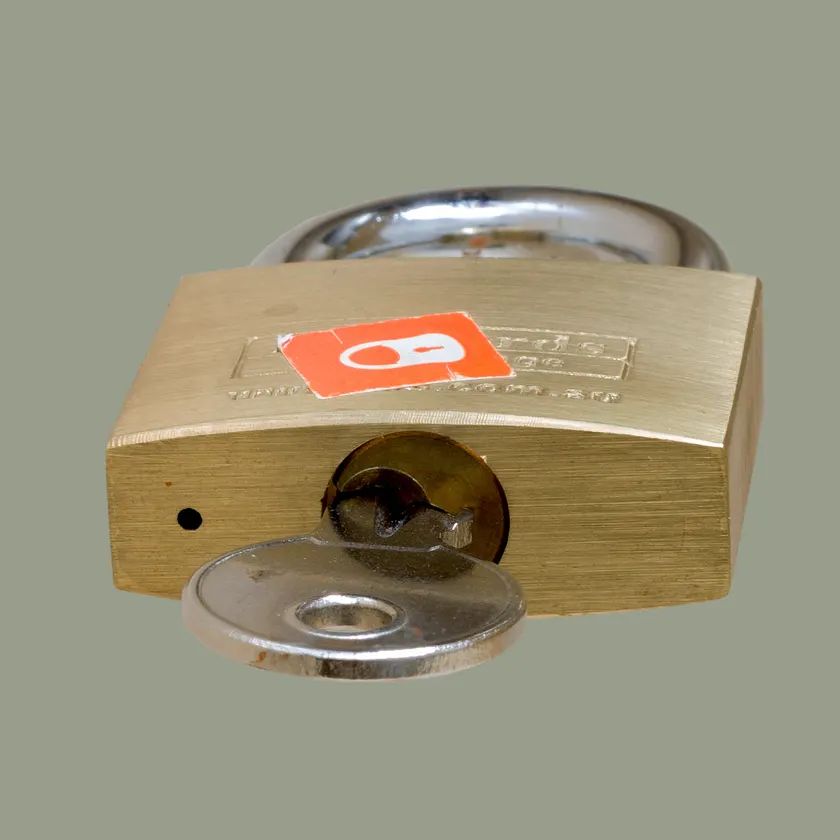
A CT scanner read the four-letter code on a 1583 shipwreck padlock
The brass lock from the Ann Francis, wrecked off Port Talbot in 1583, opens to the letters A-N-C-E. Cardiff engineers found the combination inside the mechanism without forcing the rings.
Verified · BBC News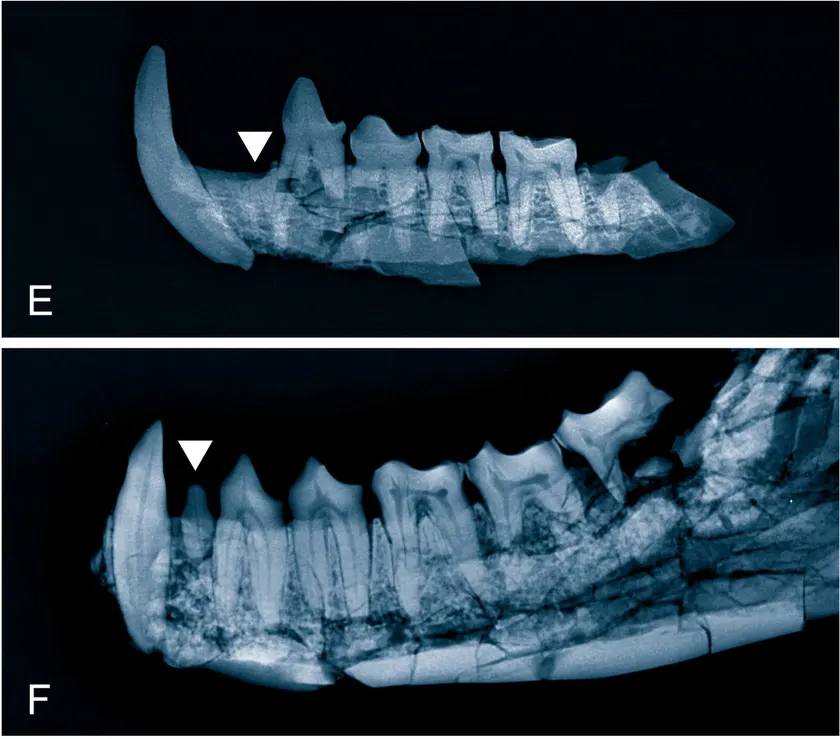 Science
Jaw bones from Wadi Moghra are the first clear fossil ape from North Africa
Scientists named Masripithecus moghraensis from jaws about 17 to 18 million years old. The Independent reported that the team argues North Africa mattered more in early ape history. The fossils are jaws, not a full skeleton.
Verified · The Independent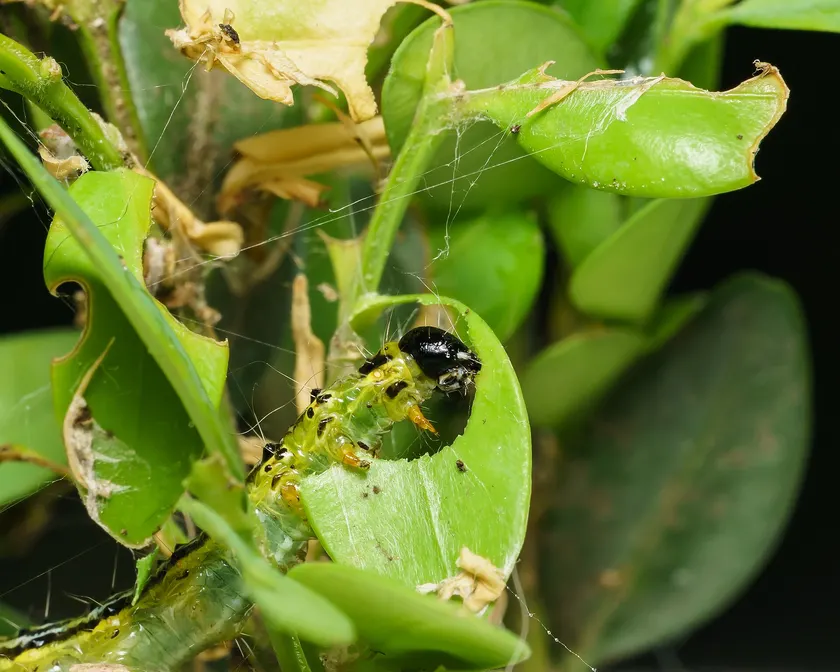 Science
New Delhi researchers found a protein that lets a chewed leaf warn the others
Scientists at the National Institute of Plant Genome Research identified a protein that carries an insect-attack signal from a damaged leaf to undamaged ones. A use in crop sprays is a possibility the news report does not show in a field.
Verified · The Hindu