Camera traps in Koh Kong mangroves found fishing cats living near villages
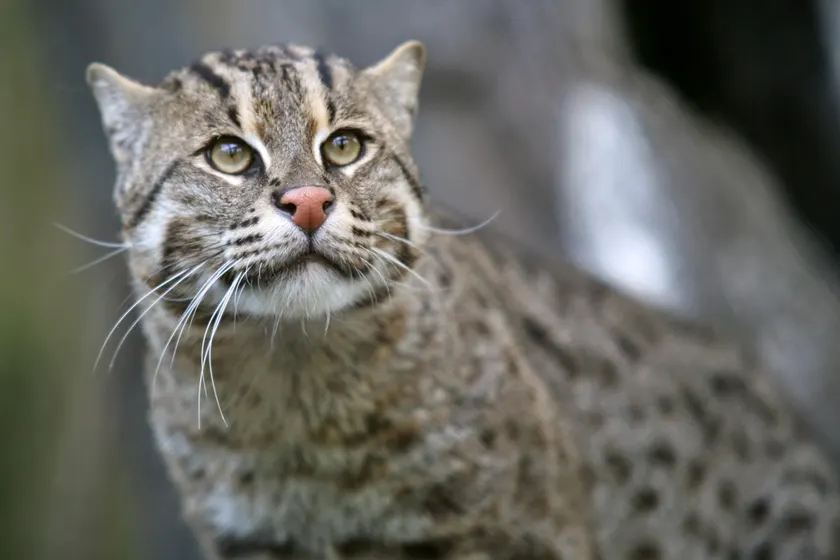
A seven-year study in Cambodia's largest mangrove recorded fishing cats, otters, and civets. Several threatened species declined over that time. The cameras also showed some animals using habitat close to people.

Read the original
The reporting lives at Mongabay. Our summary is checked against it, and we link it on every story.
Camera traps in Cambodia's largest mangrove recorded fishing cats, otters, and civets across seven years, including animals moving near villages. Mongabay reported on November 11, 2026, on work by Fishing Cat Ecological Enterprise. From 2017 to 2023 the team set cameras at 156 coastal and river sites in Peam Krasop Wildlife Sanctuary and the adjacent Koh Kapik Ramsar site. Fishing cats used mangrove thickets away from the shore. Smooth-coated otters used channel edges. Leopard cats and hairy-nosed otters favored river mangroves. Large-spotted civets moved through paperbark swamp.
Director Vanessa Herranz Muñoz said fishing cats, smooth-coated otters, and long-tailed macaques were often photographed not far from villages, which she read as coexistence rather than hunting at the village edge. The same study found declines in four threatened species: the long-tailed macaque, the large-spotted civet, the fishing cat, and the smooth-coated otter. Only the common palm civet increased. Sunda pangolins and hairy-nosed otters stayed hard to detect. A 2023 survey with Fauna & Flora listed more than 700 species in the two sites. Herranz Muñoz said paperbark forest and river mangrove need protection along with the mangrove itself, and she named conflict, poaching, fire, and building as the pressures. The news is what the cameras recorded and the village-edge photos. It is not a recovery for the species that declined.
For the classroom
Mongabay reported on November 11, 2026, that cameras in Cambodia's largest mangrove forest recorded rare animals over seven years. Researchers put traps at 156 spots in Peam Krasop Wildlife Sanctuary and the nearby Koh Kapik wetlands, from 2017 to 2023. They photographed fishing cats, otters, leopard cats, and civets. Fishing cats, smooth-coated otters, and long-tailed macaques often showed up not far from villages, which the lead researcher called a sign that people and those animals are sharing the edge of the forest. Four threatened species became harder to find over the seven years, including the fishing cat. A separate 2023 survey counted more than 700 kinds of living things in the same area. The cameras are proof the animals are there. They are not proof every species is increasing.
- Why would a camera in a mangrove see an animal that people rarely meet?
- What is one reason a village and a wild cat might use the same shoreline?
For a teacher to read with a class. Print the story of the day · Morning announcements · All classroom stories · This week's Good News Friday pack
Koh Kong, CambodiaWildlife conservationCatsGood news on November 11
More good news
Other stories in the same neighborhood of kindness.
 Animals
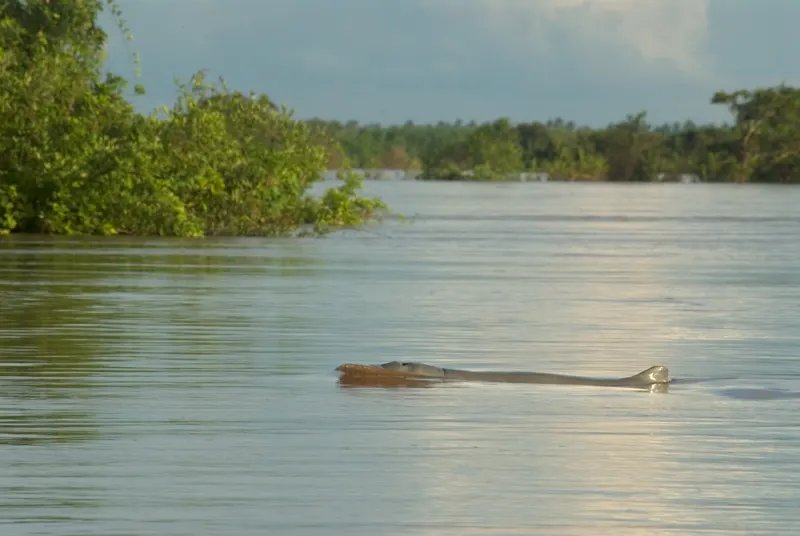
Six Irrawaddy dolphin calves were confirmed on the Mekong
Cambodia's fisheries officials put the Mekong population at about 118 after this year's births along the river in Kratie and Stung Treng. The count is still far below the late 1990s.
Verified · Mongabay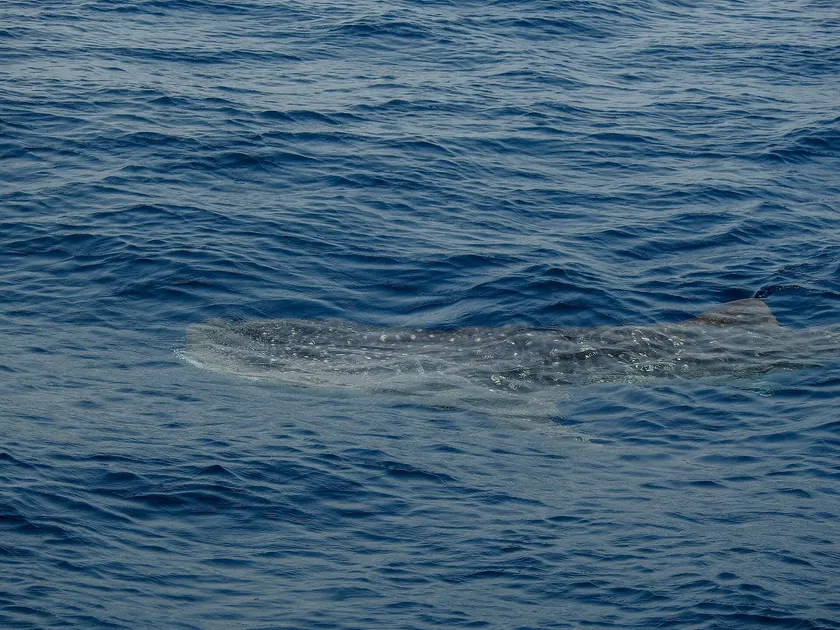 Science
A Southampton study found whale-shark detours would add little fuel
Researchers simulated eight shipping crossings and found that avoiding whale shark gathering sites, or slowing through them, raised fuel use by less than 1 percent on the routes they tested. Ships have not been reported as changing course.
Verified · Phys.org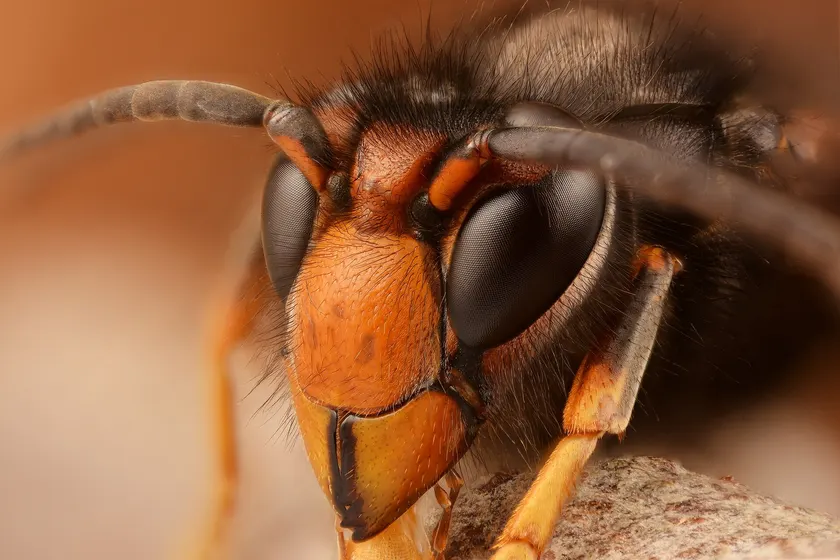 Science
Brussels students built a hornet trap they will take to a Paris contest
A Vrije Universiteit Brussel team says its trap can tell an Asian hornet from a honeybee before a fungus sticker goes on. They have not reported clearing a nest in the field.
Verified · Vrije Universiteit Brussel