Embalmers at Kom Ombo used the same balm on crocodile mummies centuries apart
Phys.org reported a Scientific Reports study that found beeswax and pine on a giant crocodile and on hatchlings arranged along its back, and the same mix on another crocodile mummified later at the same Nile site.

Read the original
The reporting lives at Phys.org. Our summary is checked against it, and we link it on every story.
Ancient embalmers at one town on the Nile seem to have kept a recipe for crocodile mummies across centuries. Phys.org reported on November 27, 2026, on a paper in Scientific Reports by Tabea J. Koch and colleagues, working with mummies now in London, including at the British Museum.
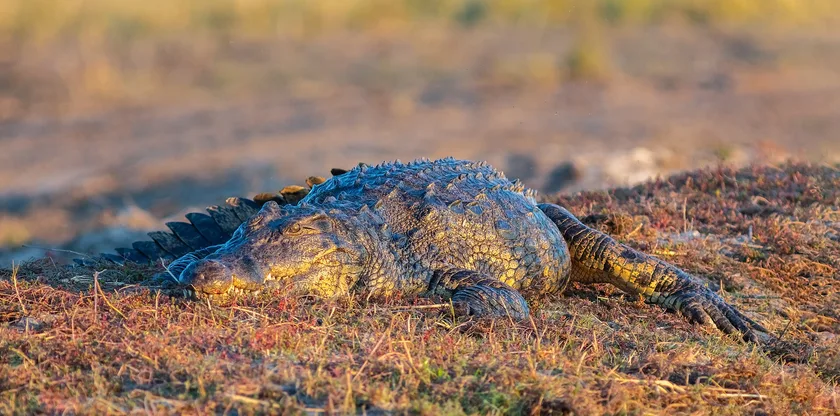
Egyptians mummified thousands of crocodiles linked with Sobek, a god tied to the Nile, fertility, and royal power. One burial from Kom Ombo, dated to the middle of the first millennium BC, is hard to miss: more than 25 hatchlings were mounted on reeds along the back and neck of a crocodile nearly 4 metres long. The arrangement echoes the way living young ride on an adult. Beeswax and pine resin or tar are still in the balm on that adult and on two of the hatchlings. Centuries later, embalmers at the same site used the same combination on another adult crocodile.
Two juvenile crocodiles from Manfalut, farther north, carried a balm made mainly of cedar tar. The researchers asked whether size or workplace explained the difference, and they argue for a local tradition centered at Kom Ombo. They tested seven mummies and 22 samples, including stained wrapping and a dark crust on the skin. Three groups of very young crocodiles had no recorded burial place. The shared recipe is evidence from these mummies. It is not a claim that every workshop along the Nile worked the same way.
For the classroom
Phys.org reported on November 27, 2026, that scientists looked at crocodile mummies from ancient Egypt. At Kom Ombo, on the Nile, embalmers once set more than 25 baby crocodiles along the back of a crocodile nearly 4 metres long, a bit like the way living young ride on an adult. The balm on that crocodile and on two of the babies still holds beeswax and pine. A crocodile mummified at the same place centuries later used the same mix. Two younger crocodiles from another town, Manfalut, were prepared mostly with cedar tar. The study looked at seven mummies. It does not say every embalmer in Egypt worked this way.
- Why might people in one town keep using the same recipe for a very long time?
- Where is Kom Ombo, and which river runs past it?
For a teacher to read with a class. Print the story of the day · Morning announcements · All classroom stories · This week's Good News Friday pack
More good news
Other stories in the same neighborhood of kindness.
 Science
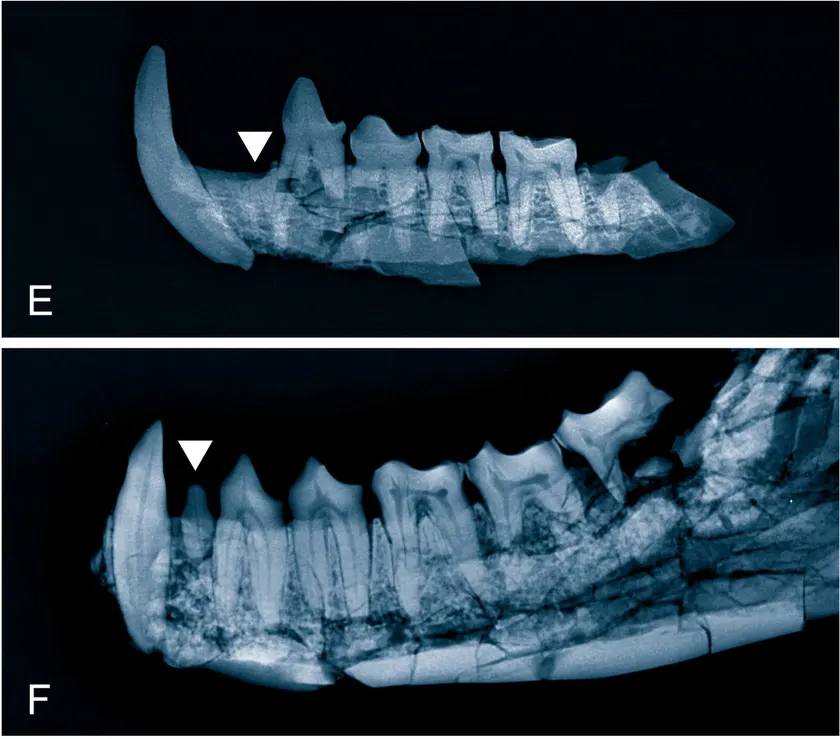
Jaw bones from Wadi Moghra are the first clear fossil ape from North Africa
Scientists named Masripithecus moghraensis from jaws about 17 to 18 million years old. The Independent reported that the team argues North Africa mattered more in early ape history. The fossils are jaws, not a full skeleton.
Verified · The Independent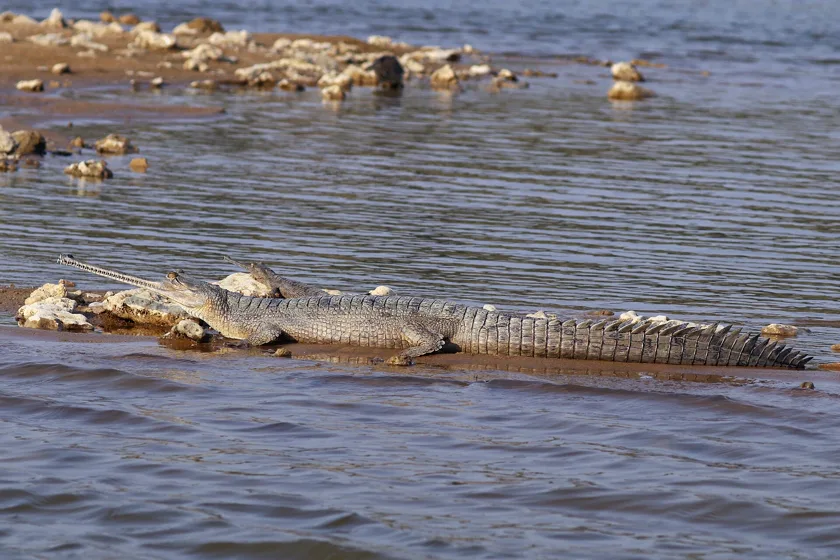 Science
A fossil crocodile from Cairo's limestone is a species of its own
Researchers renamed a 45-million-year-old gavial from the same rock as the Great Sphinx after CT scans showed it was not the false gharial it had been called.
Verified · Smithsonian Magazine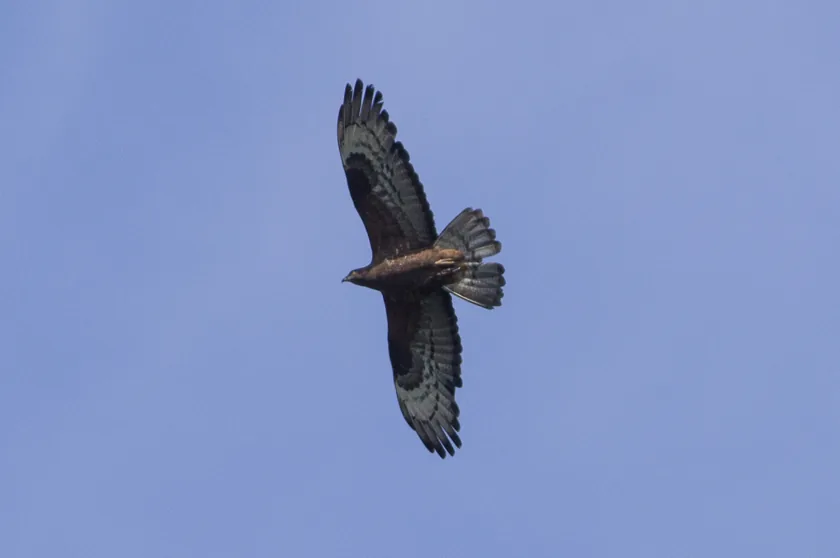 Animals
Three rehabilitated raptors were released south of Gabal El-Zeit
A honey buzzard, a short-toed snake eagle, and a lanner falcon left the Red Sea rescue center after treatment. Two of them were released on November 3.
Verified · Egypt Today