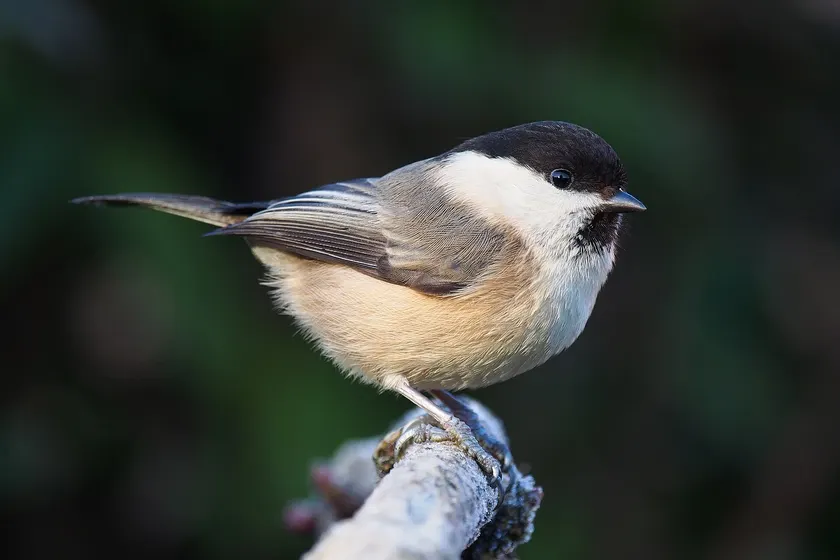
Tittesworth Reservoir is making wet woodland for willow tits
About 10 pairs are thought to nest on the Staffordshire site. Staff have added dead wood and nest boxes for a bird that has nearly vanished from southern England.

Read the original
The reporting lives at BBC News. Our summary is checked against it, and we link it on every story.
Staff at Tittesworth Reservoir, near Leek in Staffordshire, are shaping wet woodland for willow tits. BBC News reported the work this week. Severn Trent Water, which runs the site, says willow tit numbers in Britain fell by about 96 percent from 1967 to 2023, leaving around 3,400 breeding pairs. About 10 of those pairs are thought to nest at the reservoir. The bird has disappeared from most of southern England, with pockets left in the middle of the country, Wales, and Scotland. The decline is tied mainly to building over land and the loss of wet woods.
Julian Woolford, chief executive of Staffordshire Wildlife Trust, told BBC Midlands Today that a real management plan for the willow tit at Tittesworth is welcome. Staff have been creating more dead wood, where the birds nest, and installing nest boxes made for them. Graham Osborn, biodiversity lead at Severn Trent, said the point is to hand the land on in better shape, and that the work should help later generations of the bird. In July the 145-hectare site received the Wildlife Trusts' biodiversity benchmark and became the largest reservoir of its kind in the UK with that mark. Osborn said the grounds also hold bats, badgers, hedgehogs, and polecats. The report is about habitat on this one site. It does not say the national population has turned around.
For the classroom
BBC News reported this week from Tittesworth Reservoir, near Leek in Staffordshire. Willow tits are small birds, and this is one of the few places in Britain where about 10 pairs still nest. The water company that runs the reservoir has been adding dead wood, which the birds use for nests, and putting up special nest boxes. A wildlife trust leader said those plans are good news for the birds. The same site is also home to bats, badgers, hedgehogs, and polecats. Across Britain, willow tit numbers have fallen sharply over many decades. The news is the work at this reservoir, not a promise that the national count has recovered.
- Why would a small bird need dead wood, not only live trees?
- What is one thing people can leave in a garden that helps wild birds, without catching them?
For a teacher to read with a class. Print the story of the day · Morning announcements · All classroom stories · This week's Good News Friday pack
Leek, United KingdomBirdsWildlife conservationParksGood news on November 4
More good news
Other stories in the same neighborhood of kindness.
 Animals
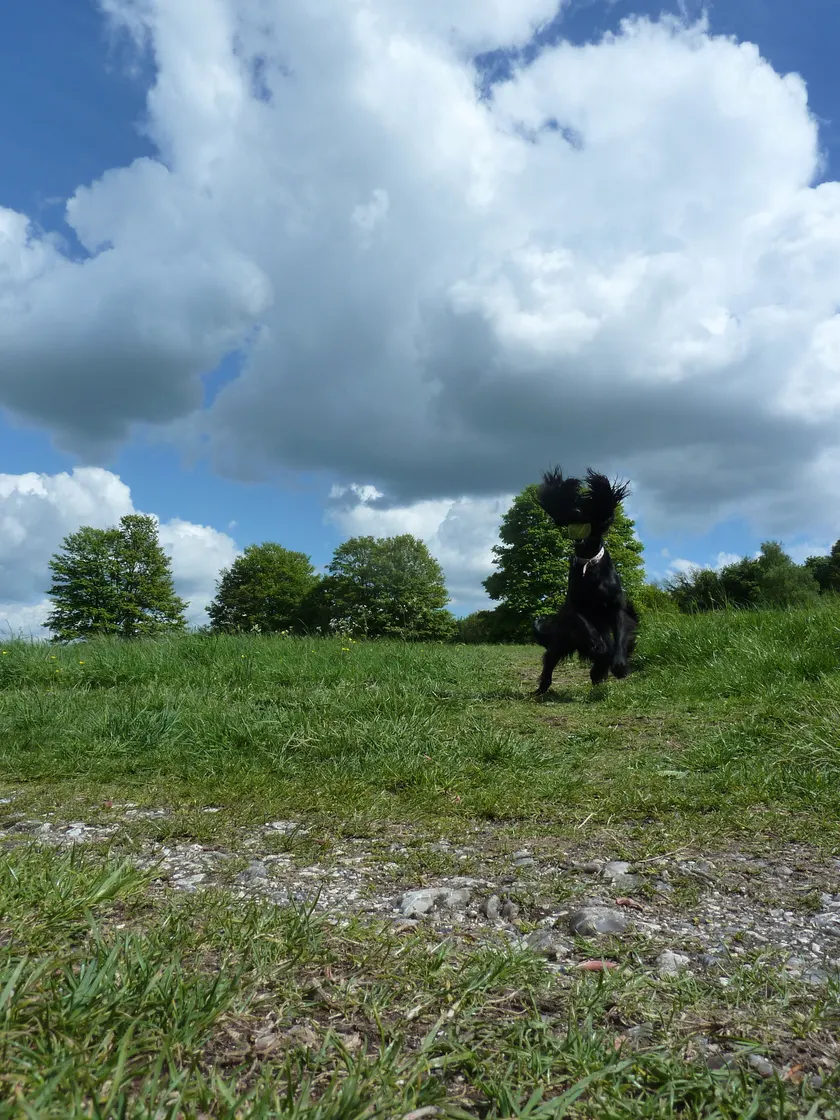
Mountain rescuers pulled a cocker spaniel out of a hole on The Stang
Freddie fell about 9 meters during Storm Boelo, near the border of North Yorkshire and County Durham. His owner said the dog was largely unharmed and acting like himself again.
Verified · BBC News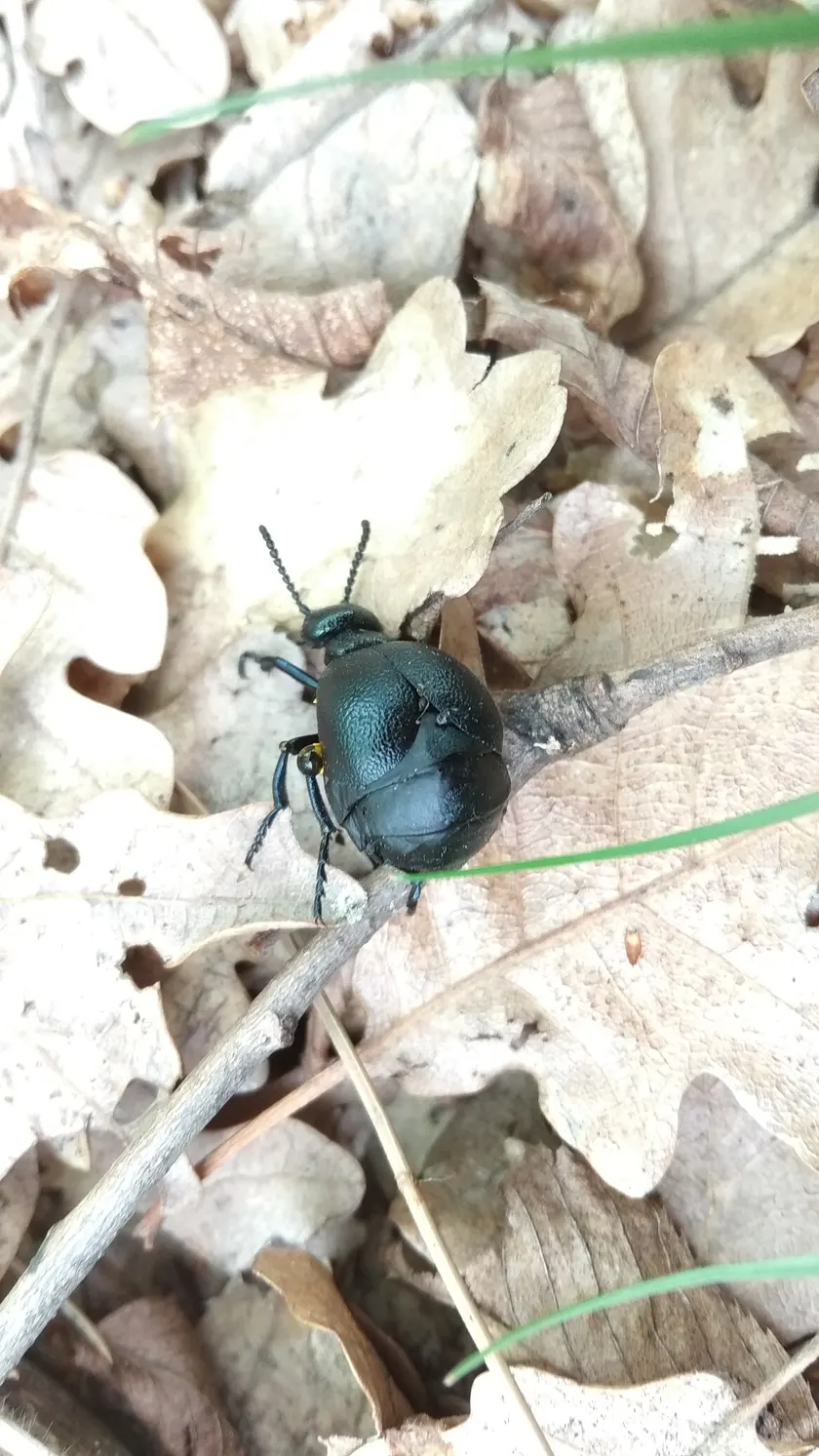 Animals
A rare oil beetle is breeding again at Castlemartin after nearly 60 years
This year's survey at the Pembrokeshire range found oil-beetle larvae after two earlier searches turned up only dead adults. About one in 10,000 larvae usually reach adulthood.
Verified · The Guardian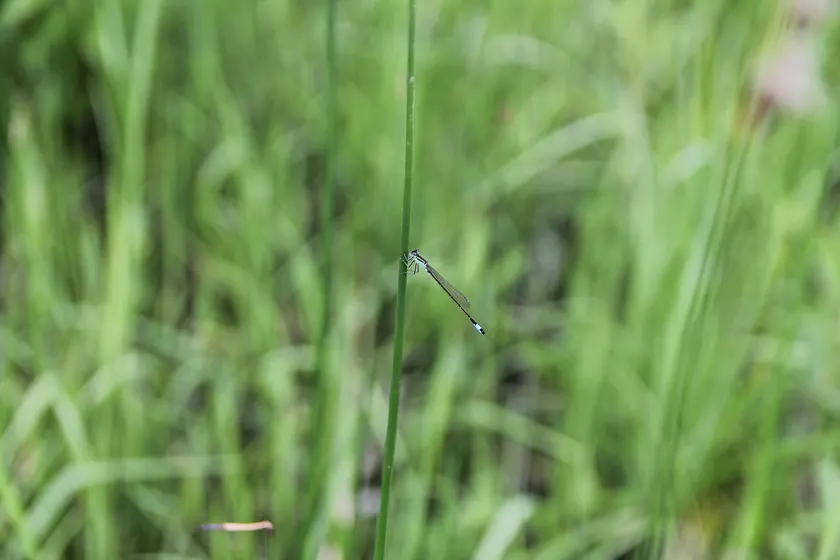 Animals
A scarce damselfly showed up on a restored stretch of the River Ash
The scarce blue-tailed damselfly, now classed as endangered in Britain, was recorded at two sites on a chalk river near Hertford that volunteers helped replant.
Verified · BBC News