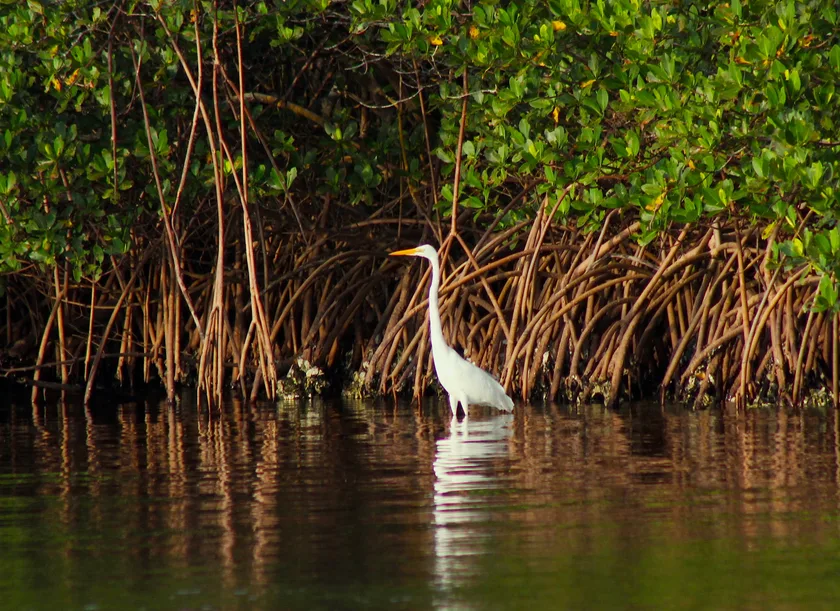
Recorded bird species rose as China's mangroves spread
A Ningbo University study, reported by Mongabay, found China's mangrove area grew from about 10,600 hectares in 1998 to about 28,200 in 2020, while recorded bird species climbed from 148 to 397.

Read the original
The reporting lives at Mongabay. Our summary is checked against it, and we link it on every story.
China's mangrove forests more than doubled between 1998 and 2020, and more bird species were recorded in them, Mongabay reported on November 23, 2026, from a paper in The Innovation by researchers at Ningbo University. Mangrove cover grew from 10,617 hectares to 28,194 hectares. China had lost nearly 70 percent of its mangroves between 1950 and 1990. Later policy set reserves aside and restored degraded sites, including former aquaculture ponds. The authors also say warmer temperatures and more rain favored the trees.
Recorded bird species in those habitats rose from 148 to 397. Globally threatened species on that list rose from 11 to 21. The paper ties the bird records to mangrove area and to better conditions for fish and other food. Guangdong, including Hong Kong and Macao, and Guangxi accounted for most of the new area, together more than 88 percent of the national gain. Hainan added 1,678 hectares. Fujian and Zhejiang added much less.
The counts run through 2020. They are species recorded in the mangrove zone, not a census that every population increased by the same share. Mongabay noted a limit: sandpipers and plovers feed on open mud, and both may become scarcer as the forest grows denser. A separate global assessment has also found mangroves expanding since about 2010, including forest that grew without anyone planting a tree. The China result is the mapped area and the recorded bird list. It is not a claim that every shorebird benefited.
For the classroom
Mongabay reported a study from Ningbo University about mangrove forests along China's coast. Between 1998 and 2020, the area of those forests grew from about 10,600 hectares to about 28,200 hectares. China had lost a large share of its mangroves in the decades before that. The government later set land aside and restored places that had been fish ponds. The number of bird species recorded in the mangrove areas rose from 148 to 397 over the same years. Threatened species on the list rose from 11 to 21. That is a count of species people recorded, not a promise that every bird population grew by the same amount. Some shorebirds that feed on open mud may have less room as the trees grow thicker. Most of the new forest was in Guangdong and Guangxi.
- Why might more kinds of birds show up when a muddy shore grows into a mangrove forest?
- Which birds might have a harder time if the open mud disappears?
For a teacher to read with a class. Print the story of the day · Morning announcements · All classroom stories · This week's Good News Friday pack
Ningbo, ChinaWildlife conservationBirdsGood news on November 23
More good news
Other stories in the same neighborhood of kindness.
 Animals
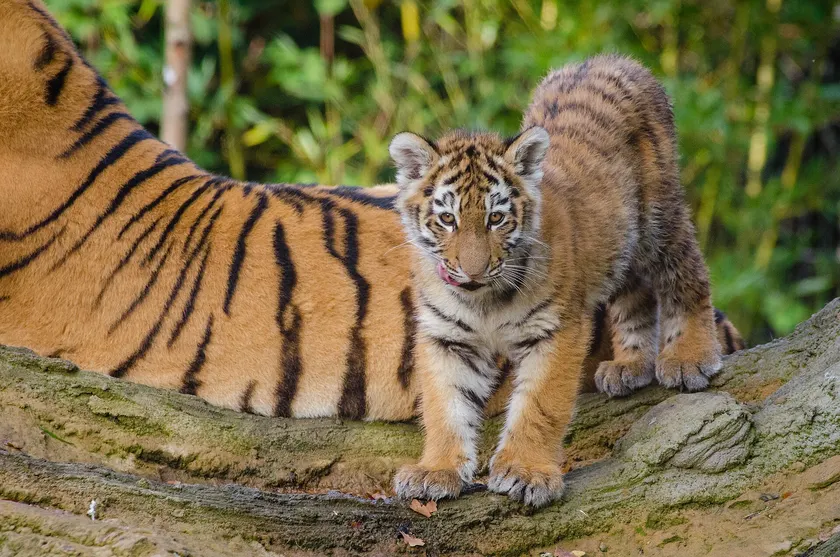
Wuhan Wildlife Kingdom is showing its first litter of tiger cubs
China Daily reported that four Siberian tiger cubs, the park's first home-bred litter, are in a nursery visitors can now watch.
Verified · China Daily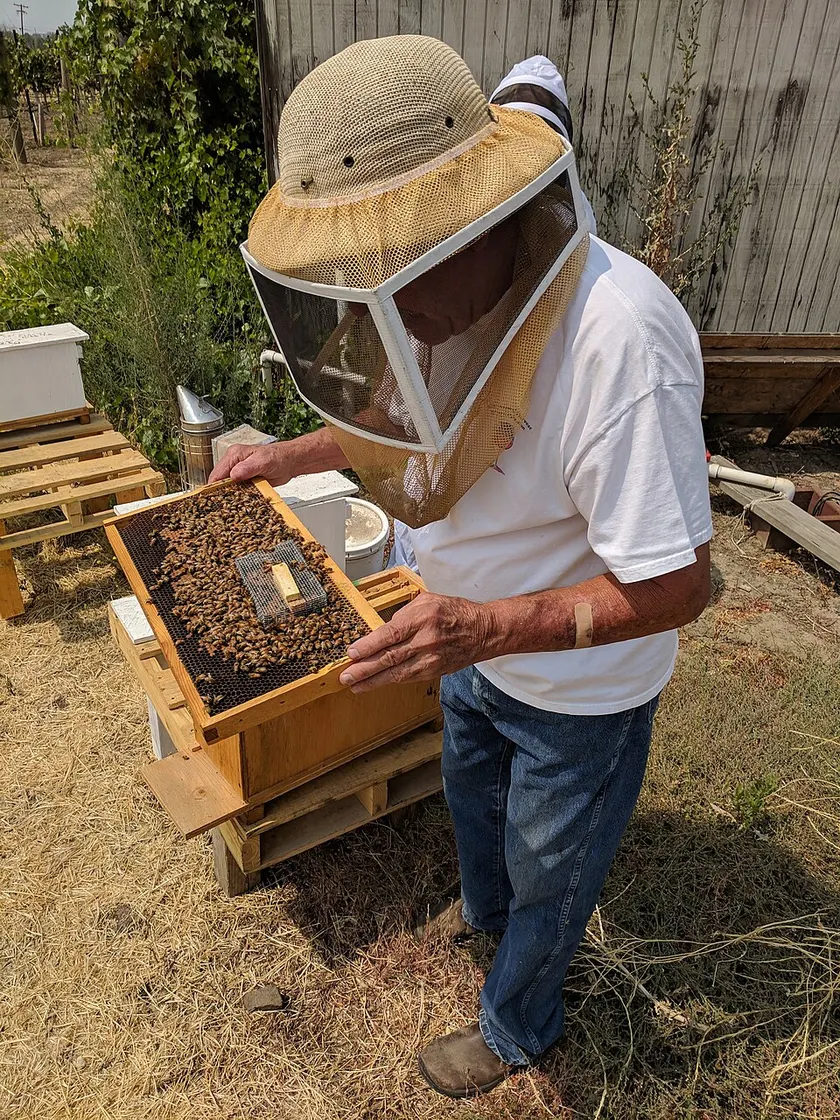 Science
Honey bee colonies high in Tibet kept varroa mites from multiplying
A PLOS Biology study, reported by Phys.org, moved 60 infested colonies to different heights. Thirteen of 15 hives above 3,500 metres in Lhasa lasted two years. Lower colonies did not last a year.
Verified · Phys.org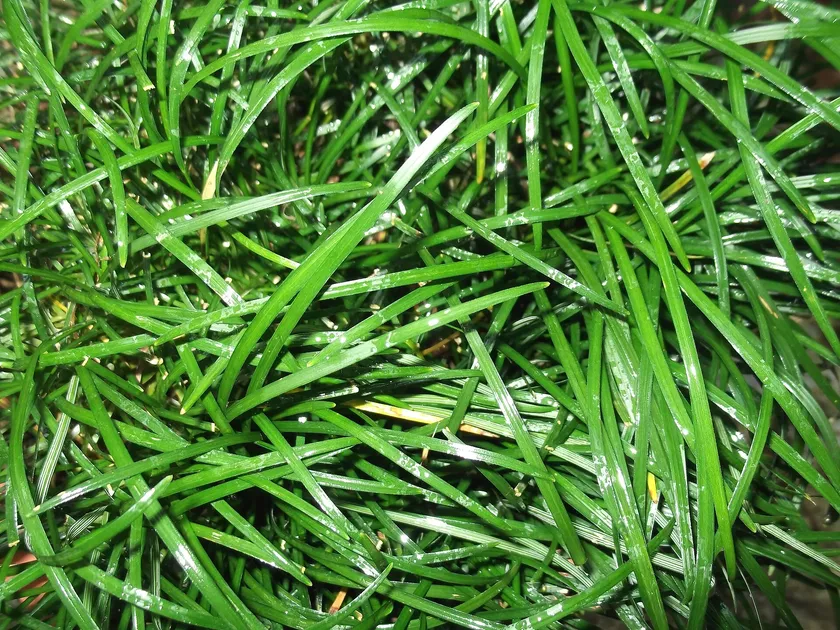 Science
Botanists named a mondo grass with a flower stalk longer than its leaves
The plant, Ophiopogon longiscapus, is known only from Yunnan's Wenshan reserve, where it was collected in 2025 and 2026. The authors say its numbers are still too unclear to rank its risk.
Verified · Phys.org