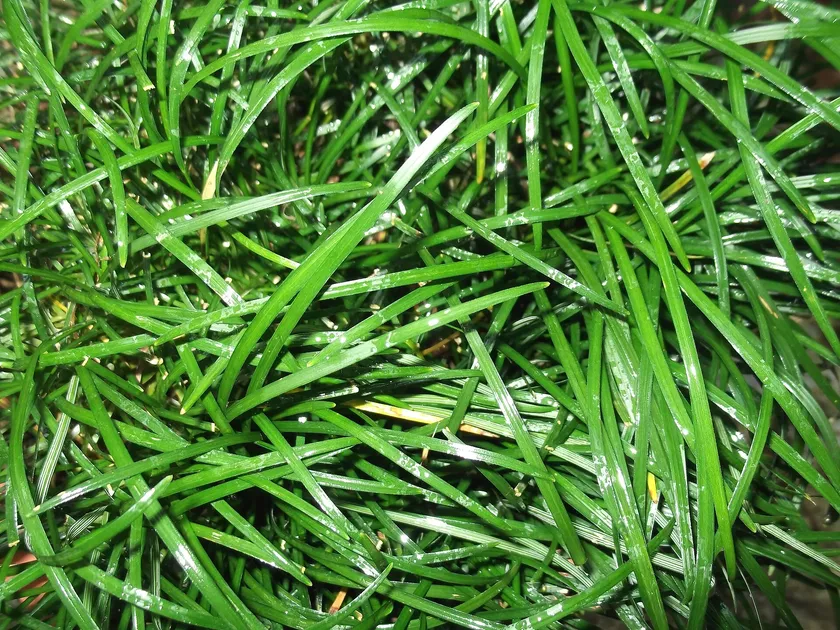
Botanists named a mondo grass with a flower stalk longer than its leaves
The plant, Ophiopogon longiscapus, is known only from Yunnan's Wenshan reserve, where it was collected in 2025 and 2026. The authors say its numbers are still too unclear to rank its risk.

Read the original
The reporting lives at Phys.org. Our summary is checked against it, and we link it on every story.
Botanists have named a mondo grass from southeastern Yunnan that hides in plain sight among plants people already know, Phys.org reported on November 19, 2026. Ophiopogon longiscapus grows in the Yunnan Wenshan National Nature Reserve. Researchers from the Xishuangbanna Tropical Botanical Garden and Southwest Forestry University collected it on floristic surveys in 2025 and 2026, then checked it against herbarium sheets and the literature. The description is in Phytotaxa.
The name refers to a flowering stalk, the scape, that is longer than the grasslike leaves. The plant looks similar to Ophiopogon longifolius, but its roots are slender and wiry, without the swollen tubers of that relative, and the rhizome is thick, branched, and densely noded. The flower cluster takes up only about a quarter to a third of the scape. The flowers are large for the group: cream-white on the inside, pinkish-purple outside, opening flat, with yellowish-green anthers.
It is known only from evergreen broadleaf forest in that reserve, between about 1,500 and 2,700 metres. Tan Yunhong of the botanical garden said every known population is inside protected land, and that the population size and trend are still unclear. The authors recommend a Data Deficient rank under IUCN rules, which means the plant is new to science and not yet scored as safe or threatened. The news is the name and the place. It is not a survey of how many clumps are in the forest.
Wenshan, ChinaWildlife conservationParksGood news on November 19
More good news
Other stories in the same neighborhood of kindness.
 Science
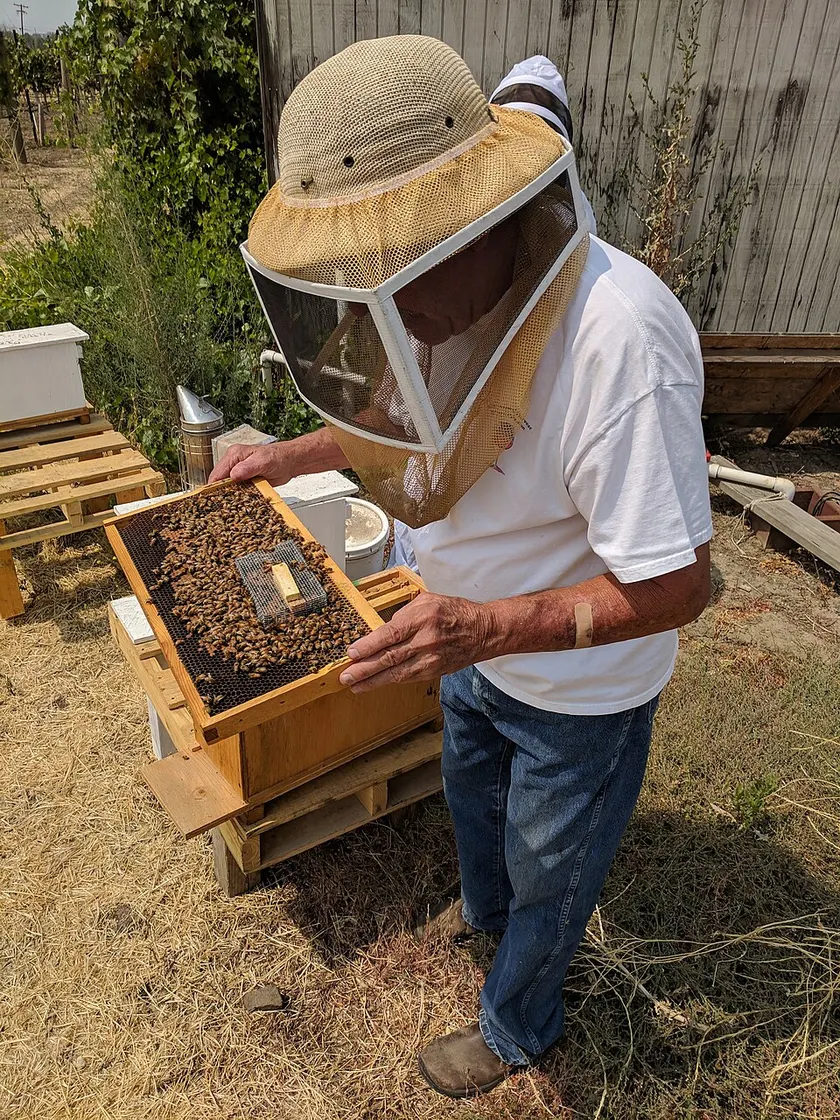
Honey bee colonies high in Tibet kept varroa mites from multiplying
A PLOS Biology study, reported by Phys.org, moved 60 infested colonies to different heights. Thirteen of 15 hives above 3,500 metres in Lhasa lasted two years. Lower colonies did not last a year.
Verified · Phys.org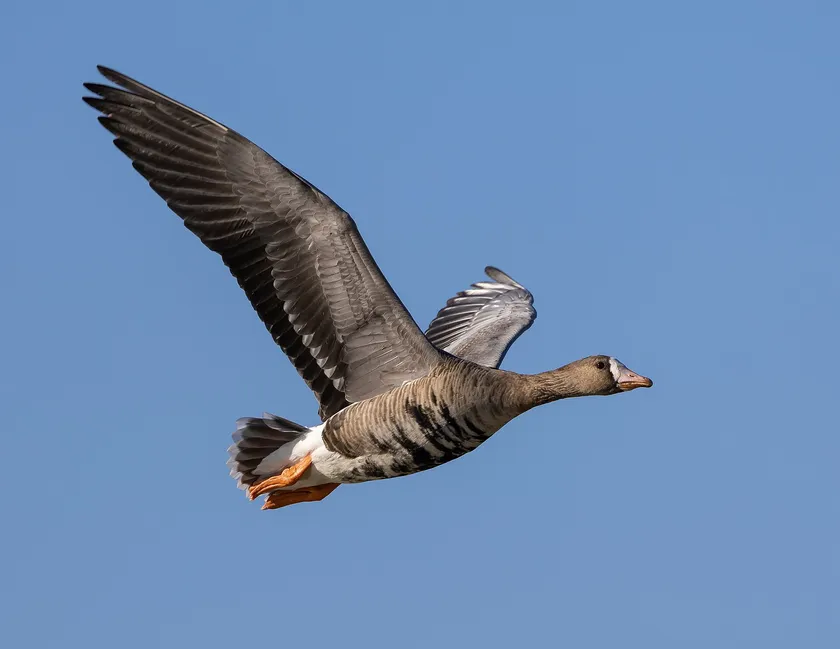 Science
Waterbirds that rest more often keep better time with an early spring
A Leiden study of 220 spring flights from Poyang Lake found that birds using more stopovers matched the green-up on their breeding grounds more closely. The paper does not create those wetlands. It argues for keeping them.
Verified · Phys.org Science
Three 1,800-year-old wooden boats were lifted from under Beijing
Archaeologists raised the boats in one piece from seven meters down in Fengtai. An official stamp on the timbers points to state-run river shipping.
Verified · China Daily