A Quechua community has identified 10 Andean bears on its own reserve
Mongabay reported that Maribel Pacco's camera traps in Pumataki are teaching children in Quechua and filling a school garden, even as funding has slowed the next step.

Read the original
The reporting lives at Mongabay. Our summary is checked against it, and we link it on every story.
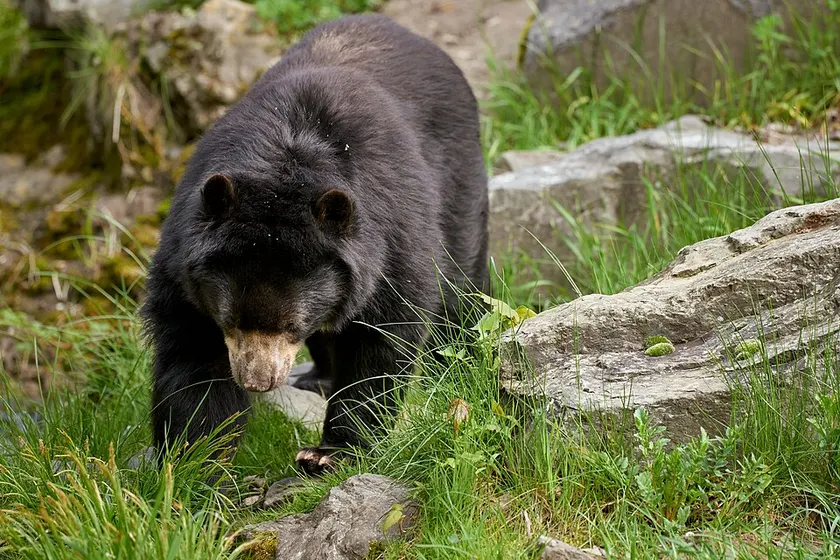
Maribel Pacco is not a biologist by training, and she can still name ten Andean bears on her community's reserve. Mongabay reported on November 20, 2026, that the Quechua community of Pillco Grande has identified 10 individual spectacled bears in Pumataki, a private conservation area in the buffer of Manu National Park, in Peru's Cusco region. The bears are told apart by the pale facial marks that sit around the eyes like a personal pattern. Pacco leads the camera traps. She told Mongabay she decided to work in conservation after watching a mother and cubs feed on bromeliads at a forest edge.
The project is three years old. A 2023 grant from the Peruvian Society for Environmental Law, Conservamos por Naturaleza, helped her start the monitoring and classes in Quechua. Children see the footage, name the bears, and grow carrots, lettuce, onions, and cauliflower in a school garden. Mothers sell some of that produce. Community members go out in groups of five to keep the cameras working. The traps have also caught an oncilla, a dwarf brocket deer, a puma, opossums, and coatis. Rebecca Zug, a biologist in Quito who is not part of the project, told Mongabay that community-led work teaches people their own wildlife in a way an outside voice does not. Funding has forced Pacco to scale back some next steps. The cameras, the classes, and a new management committee are still going. Russ Van Horn, of the San Diego Zoo Wildlife Alliance, told Mongabay that Peru is thought to hold about 5,000 Andean bears. That is a range-wide estimate, not a count from these cameras.
For the classroom
Mongabay reported on November 20, 2026, that a Quechua community in Peru is tracking Andean bears on land the community protects. Maribel Pacco leads a camera-trap project at the Pumataki reserve, beside Manu National Park. The cameras have identified 10 bears by the pale marks on their faces, which differ for each bear. Children at the local school learn about the bears in Quechua and help name them. Pacco also started a school garden of carrots, lettuce, onions, and cauliflower. Neighbours take turns, five at a time, checking the cameras. Some bigger plans are waiting on funding, but the cameras and the classes continue.
- How can a camera tell one bear from another?
- What could your class learn about an animal that lives near you?
For a teacher to read with a class. Print the story of the day · Morning announcements · All classroom stories · This week's Good News Friday pack
Pillco Grande, PeruWildlife conservationIndigenous communitiesStudentsGood news on November 20
More good news
Other stories in the same neighborhood of kindness.
 Animals
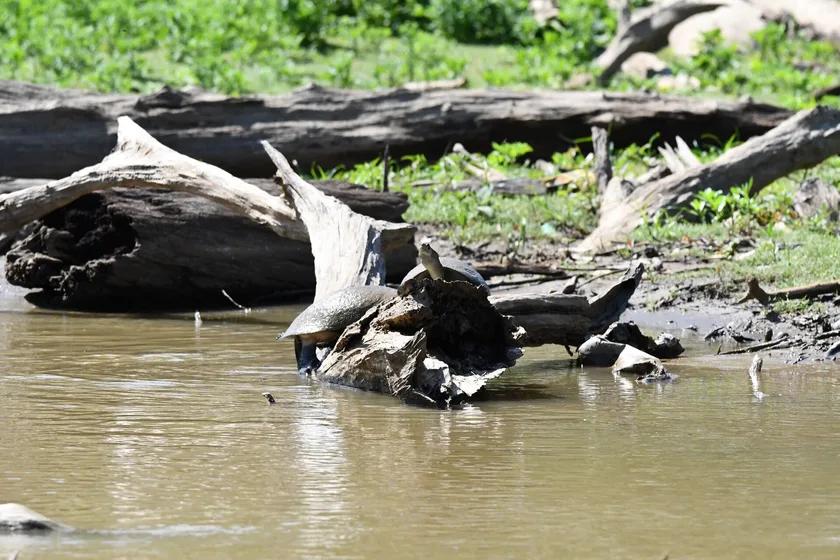
Students in Iquitos helped send 3,000 taricayas back to the river
Maynas province's eighth restocking festival ended at San José de Lupuna on November 3. Six students also handed over pet turtles they had kept. The project recorded one albino hatchling among about 10,000 eggs handled over four years.
Verified · ProyContra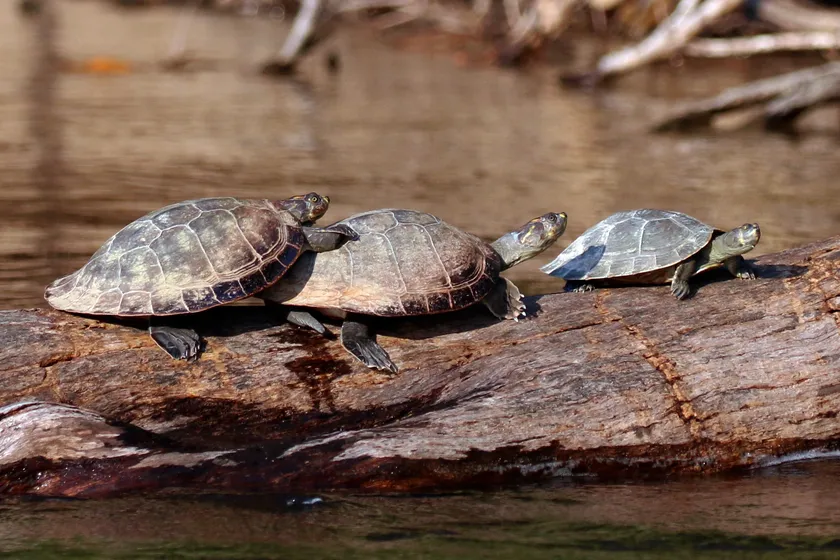 Animals
More than 14,000 Amazon turtles went back into the rivers
Sernanp and CIMA-Cordillera Azul put 14,645 taricayas, charapas, and teparos back into Amazon waters, including 6,640 on October 16.
Verified · Peru21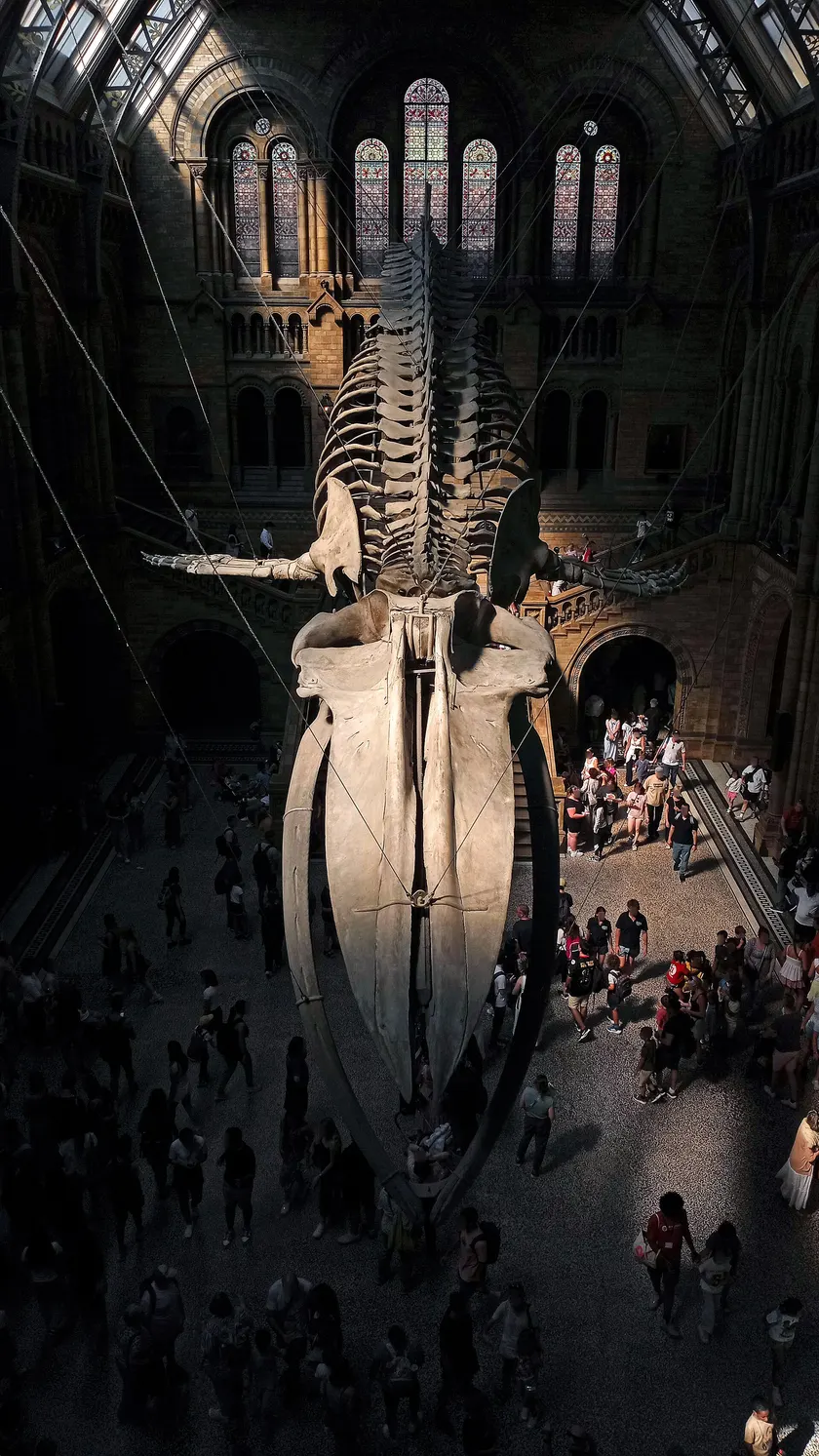 Science
A fossil from Sacaco is a pygmy sperm whale with a skull unlike any alive
Communications Biology described Scaphokogia huachafo from the Pisco Formation in Peru. The skull is lopsided even by whale standards, and the feeding idea is a reading of the bones, not a filmed hunt.
Verified · Communications Biology