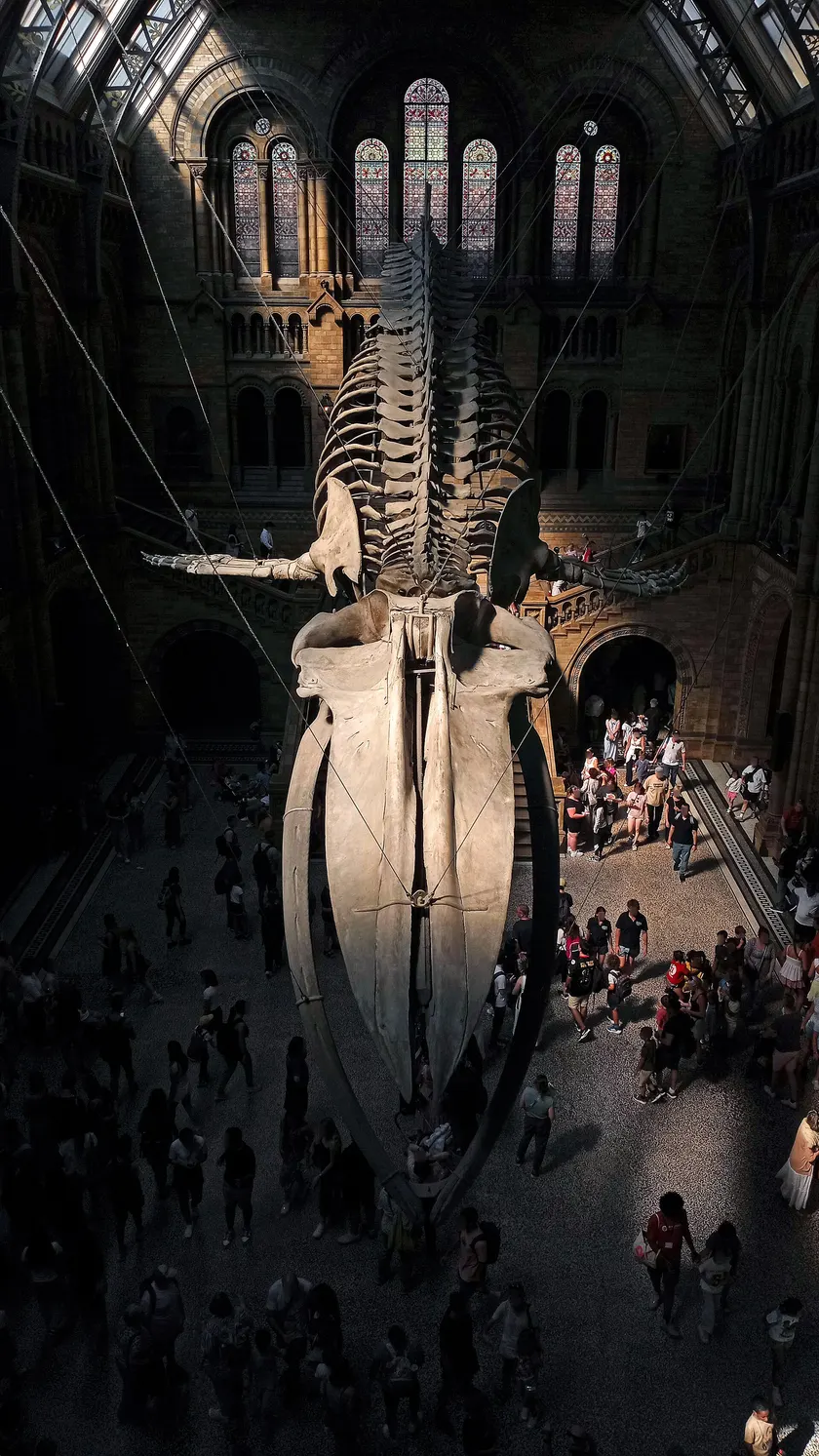
A fossil from Sacaco is a pygmy sperm whale with a skull unlike any alive
Communications Biology described Scaphokogia huachafo from the Pisco Formation in Peru. The skull is lopsided even by whale standards, and the feeding idea is a reading of the bones, not a filmed hunt.

Read the original
The reporting lives at Communications Biology. Our summary is checked against it, and we link it on every story.
A new extinct pygmy sperm whale, Scaphokogia huachafo, has been named from the Late Miocene Pisco Formation of Peru. Communications Biology published the description on November 9, 2026. The specimen, catalogued as MUSM 972, comes from Aguada de Lomas in the Sacaco basin, Arequipa, from layers laid down about 6.3 to 5.6 million years ago. The authors say the face is more asymmetrical than in other cetaceans they compared, and possibly more than in other mammals. The snout is a dense, downward-pointing tube of thick bone and ossified cartilage.
They also reconstructed the neck joint in close relatives and read the shape as fitting a bottom-feeding life, with no direct match among living toothed whales. That feeding picture is an inference from bones. It is not an observation of a living animal. The paper adds one species to the record of whale skulls. It does not change the count of pygmy sperm whales alive today.
For the classroom
A science journal reported on November 9, 2026, that researchers named a new kind of extinct pygmy sperm whale from Peru. The fossil came from Aguada de Lomas, in the Sacaco basin near Arequipa. The rock is about 6.3 to 5.6 million years old. The animal is called Scaphokogia huachafo. Its face is more lopsided than other whales, and the snout points downward and is very dense. The authors think that shape fits feeding along the sea floor. That is a reading of the bones. Nobody filmed this whale eating, because it has been gone for millions of years.
- How can a skull tell you something about how an animal ate, even when the animal is gone?
- Where is the Sacaco basin, and why do people look for fossils there?
For a teacher to read with a class. Print the story of the day · Morning announcements · All classroom stories · This week's Good News Friday pack
More good news
Other stories in the same neighborhood of kindness.
 Animals
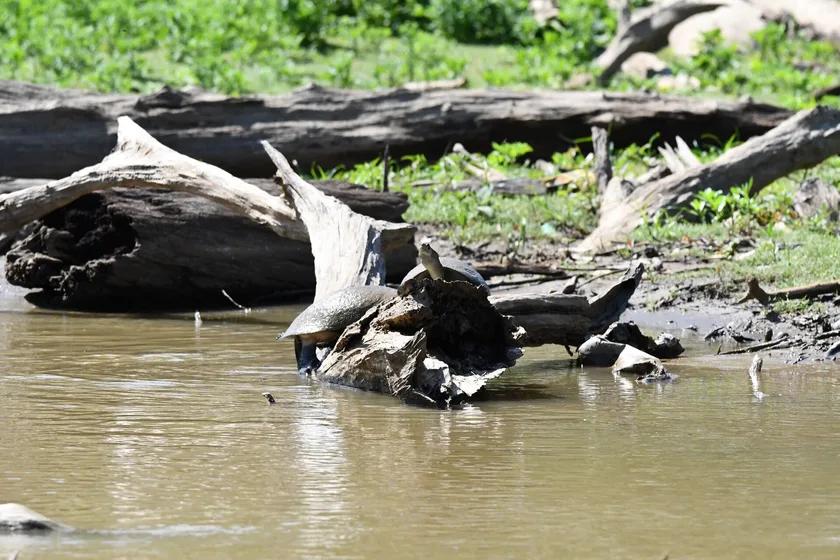
Students in Iquitos helped send 3,000 taricayas back to the river
Maynas province's eighth restocking festival ended at San José de Lupuna on November 3. Six students also handed over pet turtles they had kept. The project recorded one albino hatchling among about 10,000 eggs handled over four years.
Verified · ProyContra Community
Cash with no strings attached helped three Asháninka communities tend the forest
A two-year Cool Earth pilot gave 211 people six payments and saw food insecurity fall sharply. Researchers did not measure the trees themselves, and they say the trial is too small to settle the question.
Verified · The Guardian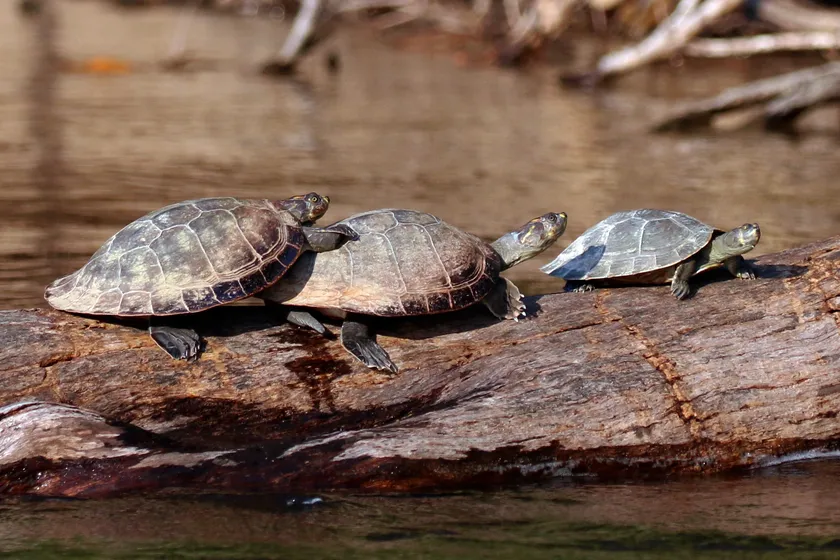 Animals
More than 14,000 Amazon turtles went back into the rivers
Sernanp and CIMA-Cordillera Azul put 14,645 taricayas, charapas, and teparos back into Amazon waters, including 6,640 on October 16.
Verified · Peru21